
Medical Applications and Common Machined Components Machined medical components are precision-manufactured parts used in surgical instruments, diagnostic equipment, orthopedic devices, dental equipment, laboratory systems, rehabilitation equipment, and other medical devices. ...
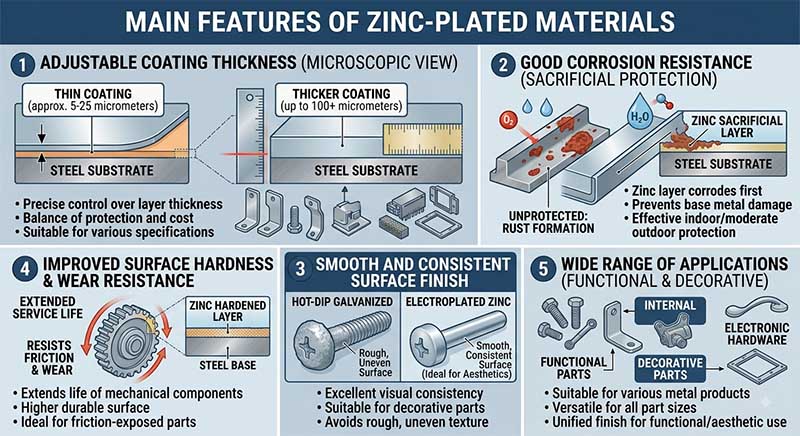
Galvanized vs Zinc Plated: Which Zinc Coating Is Right for Your Project?
Zinc Plated vs Galvanized: How to Select the Right Zinc Coating for Your Project? Choosing between zinc plated and galvanized coatings is a common challenge in metal manufacturing and surface ...

CNC Sandblasting Services: Process, Media Selection, Surface Finish and Applications2026-2027
How Sandblasting Improves CNC Machined Parts Surface Quality 1. What Is Sandblasting and How Does the Process Work? This is the fundamental topic users search for when they want to understand ...

Deburr Parts: Complete Guide to Burr Removal Methods for CNC Machined Components
Deburr Parts: Complete Guide to Burr Removal Methods, Quality Standards, and CNC Manufacturing Although burrs are often measured in fractions of a millimeter, they can significantly influence product quality, assembly ...
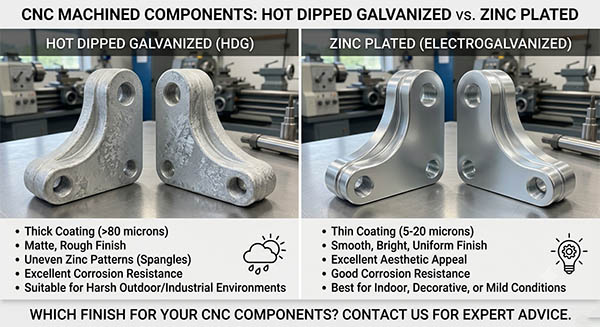
Hot Dipped Galvanized vs Zinc Plated: Differences, Pros, Cons and Applications
Hot Dipped Galvanized vs Zinc Plated: Which Zinc Coating Is Better? Steel components are highly susceptible to corrosion when exposed to moisture, oxygen, industrial pollutants, and salt. To extend service ...

316 Stainless Steel Machinability: Complete CNC Machining Guide for Better Tool Life
316 Stainless Steel Machinability: Complete CNC Machining Guide for Engineers and Manufacturers 316 stainless steel is one of the most widely used austenitic stainless steels in industries requiring excellent corrosion ...

Impeller Machining: Complete Guide to 5-Axis CNC Impeller Manufacturing
15 Key Points from This Article: What Is Impeller Machining Types of Impellers and Their Applications 5-Axis CNC Machining for Impellers Materials Commonly Used for Impellers Closed vs Open Impeller Machining CAD/CAM Programming for Impeller ...

Fillet vs Chamfer: Key Differences in CNC Machining and Mechanical Design
Complete Guide to Fillet vs Chamfer in CNC Machining and Mechanical Design In CNC machining and product engineering, fillets and chamfers are two of the most commonly used edge treatments. ...

Difference Between 6061 and 6063 Aluminum: Strength, Machining, and Extrusion Guide
Difference Between 6061 and 6063 Aluminum: A Complete Engineering Guide Aluminum alloys from the 6000 series are widely used in manufacturing, construction, and CNC machining. Among them, 6061 aluminum and ...
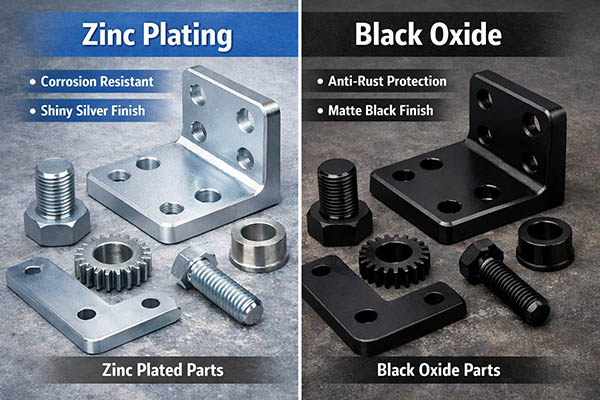
Zinc Plating vs Black Oxide: Differences, Corrosion Resistance, and Applications
Zinc Plating vs Black Oxide: Which Surface Finish Is Better for Metal Parts? Metal components used in CNC machining, automotive manufacturing, aerospace, and industrial equipment must withstand corrosion, wear, and ...