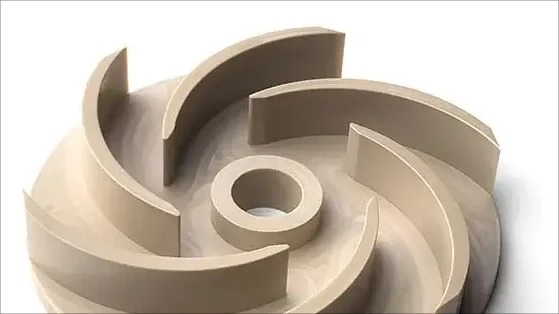
Annealing: Complete Guide to Heat Treatment, Metallurgy, and CNC Manufacturing What Annealing Is in Metal Heat Treatment Annealing is a heat treatment process used to soften metals, improve ductility, and reduce ...
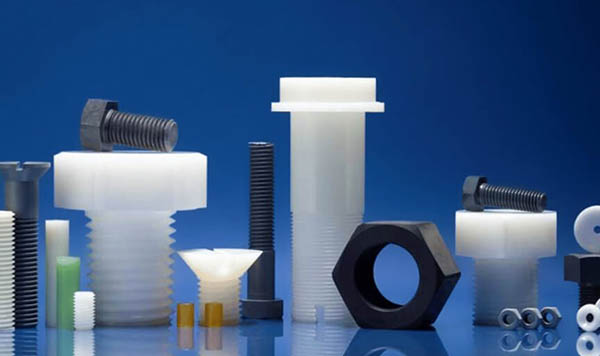
Polypropylene (PP) Guide: Properties, Applications, and CNC Machining
The following are the key points introduced in this article. What Polypropylene Is and How It Is Produced Molecular Structure and Polymer Chemistry of PP Physical Properties of Polypropylene Mechanical Strength and Fatigue ...
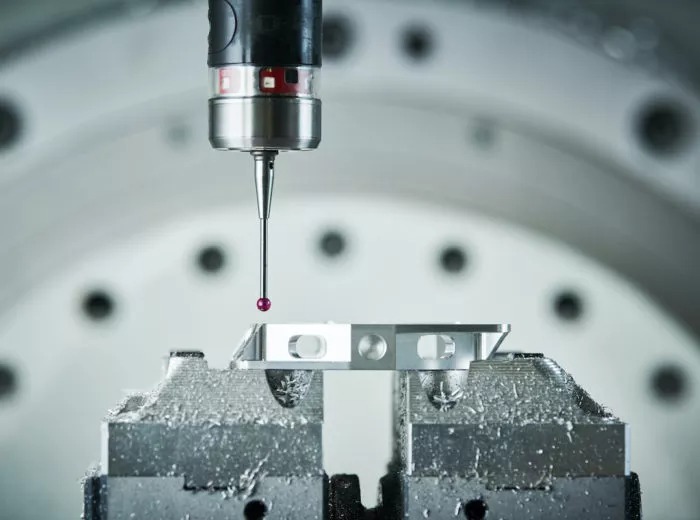
Tungsten (Wolfram) Guide: Properties, Uses, Carbide Tools, and CNC Machining
This article will introduce you to 10 key points. What Tungsten (Wolfram) Is and Why It Has Two Names Chemical and Physical Properties of Tungsten Tungsten’s Extraordinary Melting Point and Heat Resistance Major ...

Rapid Prototyping Guide: Processes, Technologies, and Industrial Applications
Rapid Prototyping: Complete Guide to Modern Product Development and Manufacturing Rapid prototyping is a cornerstone technology in modern product development, allowing engineers and designers to quickly transform digital designs into ...

Nickel Plating Service Guide: Process, Types, and Industrial Applications
Nickel Plating Service: Complete Guide to Industrial Nickel Surface Coating Nickel plating service is one of the most widely used metal finishing processes in modern manufacturing. By depositing a thin ...
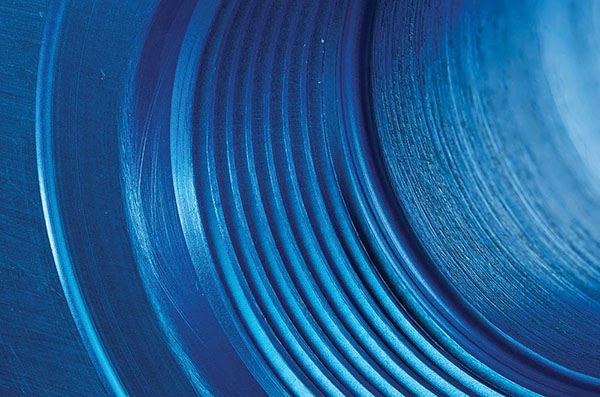
Blue Anodizing Explained: Process, Properties, and Applications for Aluminum Parts
Blue Anodizing: Complete Engineering Guide for Colored Aluminum Surface Finishing Blue anodizing is one of the most widely used decorative and functional surface treatments for aluminum parts. It combines the ...

Brushed Aluminum Finish: Process, Surface Roughness, and Industrial Applications
Brushed Aluminum Finish: Complete Engineering and Application Guide Brushed aluminum finish is one of the most widely used surface treatments in CNC machining, sheet metal fabrication, and consumer product manufacturing. ...
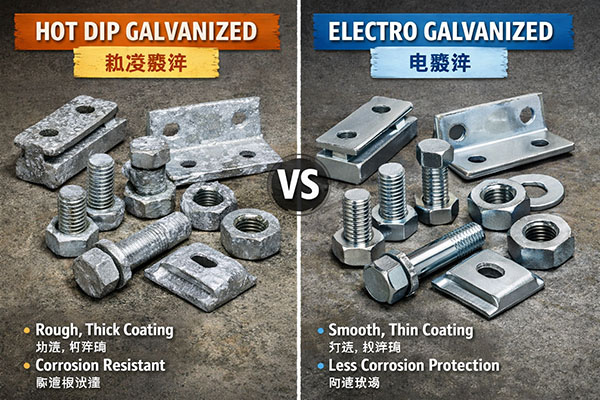
Hot Dip vs Electrogalvanized Steel: Differences, Coating Thickness, and Applications
Hot Dip vs Electrogalvanized: Key Differences in Zinc Coating, Durability, and Industrial Applications Galvanizing is one of the most widely used surface treatments for protecting steel against corrosion. Two major ...
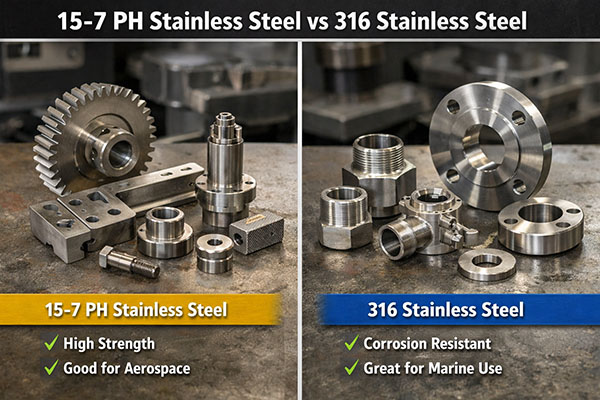
15-7 PH Stainless Steel vs 316: Strength, Corrosion Resistance & Applications
15-7 PH Stainless Steel vs 316 Stainless Steel: Strength, Corrosion Resistance, and CNC Machining Comparison When engineers select stainless steel for aerospace parts, marine equipment, or CNC machined components, two ...
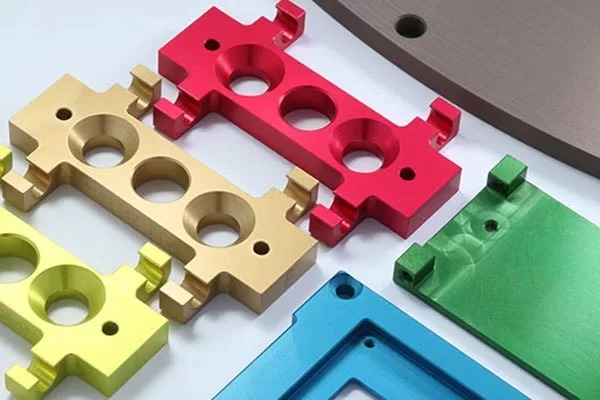
Anodize vs Alodine: Key Differences for Aluminum Surface Finishing
Anodize vs Alodine: A Complete Engineering Guide for Aluminum Surface Finishing Aluminum is widely used in CNC machining because of its lightweight properties, strength-to-weight ratio, and excellent machinability. However, untreated ...