This article will introduce you to 10 key points.
- What Tungsten (Wolfram) Is and Why It Has Two Names
- Chemical and Physical Properties of Tungsten
- Tungsten’s Extraordinary Melting Point and Heat Resistance
- Major Tungsten Ores and Global Resources
- Tungsten Carbide: The Hardness Behind Modern Cutting Tools
- Tungsten in Aerospace and High-Temperature Engineering
- Tungsten in Electronics and Electrical Applications
- Machining Challenges and CNC Processing of Tungsten
- Comparison of Tungsten With Other High-Performance Metals
- Industrial Applications and Future Demand for Tungsten
Tungsten (Wolfram / Volfram): Properties, Applications, and CNC Manufacturing Insights
What Tungsten (Wolfram) Is and Why It Has Two Names
Tungsten, also called wolfram or volfram, is a chemical element with symbol W and atomic number 74. The element was discovered in the late 18th century and first isolated in 1783 by Spanish chemists Juan and Fausto Elhuyar.
The dual naming system originates from two different historical sources:
| Name | Origin | Region Usage |
|---|---|---|
| Tungsten | Swedish phrase “tung sten” meaning “heavy stone” | United States, UK |
| Wolfram / Volfram | Derived from the mineral wolframite | Germany, Europe |
The chemical symbol W comes from the word wolfram, which is why the periodic table does not use the letter “T”.
This naming distinction is important in international manufacturing. For example:
- European engineering standards often reference Wolfram alloys
- American machining standards typically use Tungsten materials
Understanding both terms helps engineers navigate global supply chains and material specifications.
Chemical and Physical Properties of Tungsten
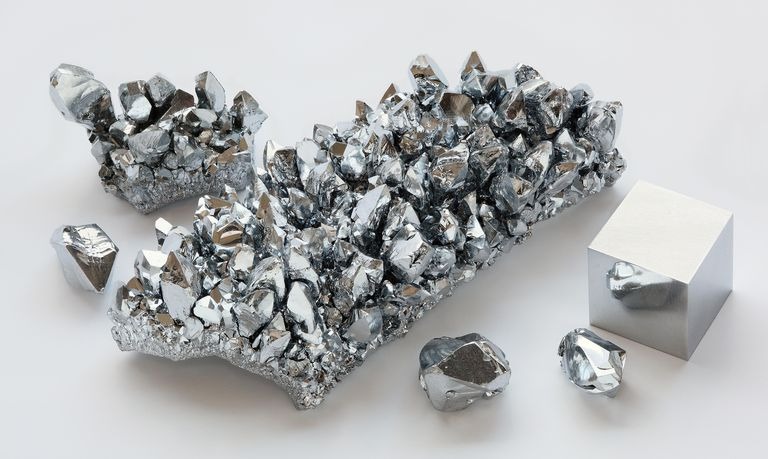
Tungsten is classified as a refractory metal, meaning it maintains structural stability at extremely high temperatures.
| Property | Value |
|---|---|
| Atomic number | 74 |
| Density | 19.3 g/cm³ |
| Melting point | ~3422°C |
| Boiling point | ~5660°C |
| Crystal structure | Body-centered cubic |
Tungsten’s density is similar to gold and about 1.7 times heavier than lead.
Key engineering advantages include:
- extremely high hardness
- excellent corrosion resistance
- very low vapor pressure
- strong mechanical strength at high temperatures
These properties explain why tungsten is widely used in extreme-environment components.
Tungsten’s Extraordinary Melting Point and Heat Resistance
One of tungsten’s most remarkable features is its exceptional melting point of approximately 3422°C, the highest among all pure metals.
This property enables tungsten to perform in environments where most metals would melt or deform.
Example temperature comparison:
| Metal | Melting Point |
|---|---|
| Aluminum | 660°C |
| Steel | ~1370°C |
| Titanium | 1668°C |
| Tungsten | 3422°C |
Applications benefiting from this property include:
- rocket engine nozzles
- high-temperature furnace components
- plasma-facing materials in fusion reactors
At temperatures above 1650°C, tungsten also maintains very high tensile strength, which is rare among metals.
Major Tungsten Ores and Global Resources
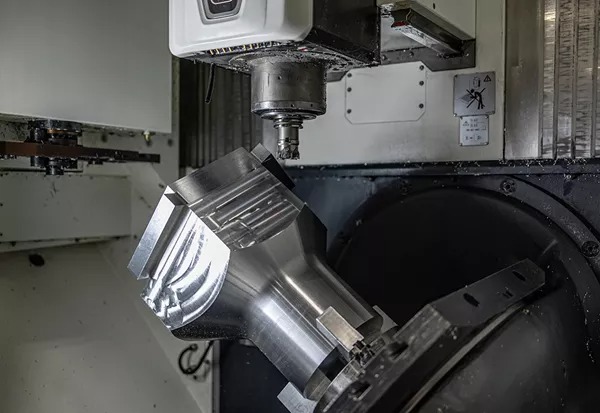
Tungsten rarely exists as a pure metal in nature. Instead, it occurs mainly in mineral compounds.
The two most important ores are:
| Ore | Chemical Composition |
|---|---|
| Wolframite | (Fe,Mn)WO₄ |
| Scheelite | CaWO₄ |
These minerals are mined and processed to produce tungsten oxide, which is then reduced to metallic tungsten.
Global tungsten production is highly concentrated geographically.
Major producers include:
- China
- Vietnam
- Russia
- Bolivia
- Canada
China alone has historically accounted for over 80% of global tungsten mining output, making supply chain diversification an important issue for high-tech industries.
Tungsten Carbide: The Hardness Behind Modern Cutting Tools
One of the most widely used tungsten compounds is tungsten carbide (WC).
It has a hardness of approximately 9.5 on the Mohs scale, second only to diamond.
Properties of tungsten carbide:
| Property | Typical Value |
|---|---|
| Hardness | 9–9.5 Mohs |
| Elastic modulus | ~600 GPa |
| Compressive strength | >6000 MPa |
This material forms the foundation of:
- CNC cutting inserts
- drill bits
- end mills
- wear-resistant dies
For example, in high-speed machining of stainless steel, WC-Co carbide inserts can maintain cutting performance far longer than conventional high-speed steel tools.
Tungsten in Aerospace and High-Temperature Engineering
Due to its extreme thermal stability, tungsten plays a critical role in aerospace engineering.
Applications include:
- rocket engine throat liners
- reentry vehicle heat shields
- plasma containment components
For example:
| Component | Why Tungsten Is Used |
|---|---|
| Rocket nozzle throat | extreme temperature resistance |
| Spacecraft leading edges | erosion resistance |
| Plasma reactors | high melting point |
Tungsten alloys such as W-Ni-Fe and W-Ni-Cu are often used to improve ductility while retaining high density and strength.
Tungsten in Electronics and Electrical Applications
Tungsten has historically been a key material in electrical technology.
The most famous application is the incandescent light bulb filament, where tungsten wire glows when heated by electrical current.
Modern electronic applications include:
- semiconductor contacts
- integrated circuit interconnects
- vacuum tube electrodes
Advantages in electronics:
- low vapor pressure
- thermal stability
- excellent electrical conductivity at high temperature
For example, semiconductor fabrication uses tungsten plugs to create conductive connections between metal layers in integrated circuits.
Machining Challenges and CNC Processing of Tungsten
Despite its advantages, tungsten is notoriously difficult to machine.
Primary machining challenges:
- brittleness at room temperature
- high hardness
- rapid tool wear
Typical machining approaches include:
| Method | Purpose |
|---|---|
| Diamond grinding | precision finishing |
| EDM machining | complex shapes |
| Powder metallurgy shaping | near-net components |
CNC manufacturers often process tungsten using sintered blanks, reducing the need for heavy machining.
For example:
- medical radiation shielding parts
- aerospace balance weights
- high-temperature furnace components
Comparison of Tungsten With Other High-Performance Metals
Engineers often compare tungsten with other advanced metals.
| Material | Density | Melting Point | Typical Use |
|---|---|---|---|
| Tungsten | 19.3 g/cm³ | 3422°C | extreme heat components |
| Titanium | 4.5 g/cm³ | 1668°C | aerospace structures |
| Stainless steel | 7.9 g/cm³ | ~1400°C | general engineering |
| Molybdenum | 10.2 g/cm³ | 2623°C | high-temperature parts |
From this comparison, tungsten clearly dominates in thermal performance and density, which explains its role in high-performance engineering. Passivation & Electrolytic polish
Industrial Applications and Future Demand for Tungsten
Today tungsten is essential for multiple industries:
| Industry | Application |
|---|---|
| Aerospace | heat shields, rocket nozzles |
| Electronics | semiconductor interconnects |
| Manufacturing | cutting tools and dies |
| Defense | armor-piercing penetrators |
| Medical | radiation shielding |
The rise of fusion energy, aerospace manufacturing, and advanced electronics is expected to further increase tungsten demand over the next decades. Electrogalvanizing
Conclusion: Why Xavier Recommends Tungsten for Advanced Manufacturing
For manufacturers operating in extreme environments, high-precision machining, or wear-resistant applications, tungsten remains one of the most valuable engineering materials available.
At Xavier, we focus on delivering high-precision CNC components using advanced materials such as tungsten alloys and tungsten carbide. With modern machining technologies, optimized toolpaths, and precision finishing processes, Xavier helps clients achieve reliable performance even in the most demanding industries—from aerospace to semiconductor manufacturing.
If your project requires exceptional heat resistance, density, or wear durability, tungsten components from Xavier provide a reliable and high-performance solution. cnc machining service
Some of the images and text in this article are collected and compiled from the internet. If there is anything inappropriate, please contact us for processing.