
Introduction 5052 aluminum is one of the most widely used non-heat-treatable aluminum alloys in modern manufacturing. Thanks to its excellent corrosion resistance, moderate-to-high strength, outstanding formability, and good weldability, it ...

4041 Aluminum: Properties, Applications, Machining & Welding Guide
4041 Aluminum: Properties, Machining, Applications and Material Selection Guide Although 6061 and 7075 aluminum receive most of the attention in CNC machining, 4041 aluminum plays a unique role in manufacturing ...
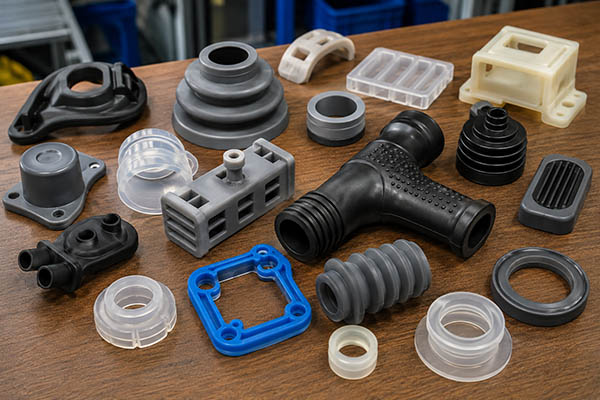
TPE Material Guide: Properties, Types, Applications, and Manufacturing Processes
TPE Material: Properties, Types, Manufacturing Processes, and Industrial Applications Thermoplastic Elastomer (TPE) has become one of the fastest-growing engineering materials in modern manufacturing because it combines the elasticity of rubber ...

Yield Point for Steel Explained: Definition, Formula, Values, and Material Selection Guide
What Is the Yield Point of Steel? The yield point of steel is one of the most important mechanical properties used in engineering design, manufacturing, construction, automotive production, aerospace engineering, ...
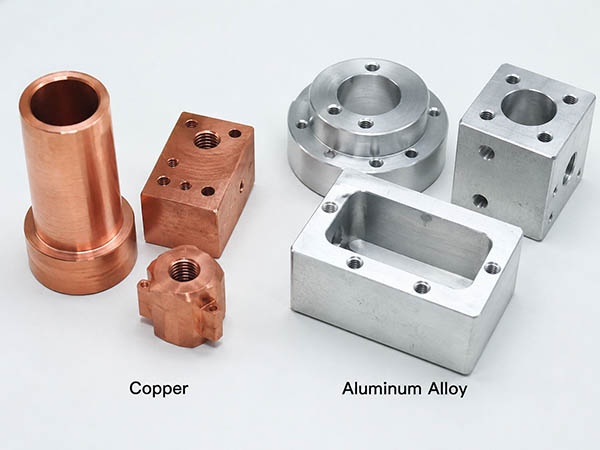
Copper and Aluminum Alloy Guide: Properties, Grades and CNC Machining
Summary of the 15 Key Points in This Article: About Copper and Aluminum Alloy (Aluminum Bronze) What Is Copper and Aluminum Alloy? Chemical Composition and Common Grades Mechanical Properties and Strength Data Corrosion ...

Alloy Steel vs Chrome Vanadium: Complete Comparison for CNC Machining 2026 2027
Key points of this article: What Alloy Steel and Chrome Vanadium Actually Mean Chemical Composition and Alloying Elements Is Chrome Vanadium a Type of Alloy Steel? Strength, Hardness, and Toughness Comparison Wear Resistance and ...