Grade 2 Titanium: Properties, Applications, and CNC Machining Guide
What Is Grade 2 Titanium
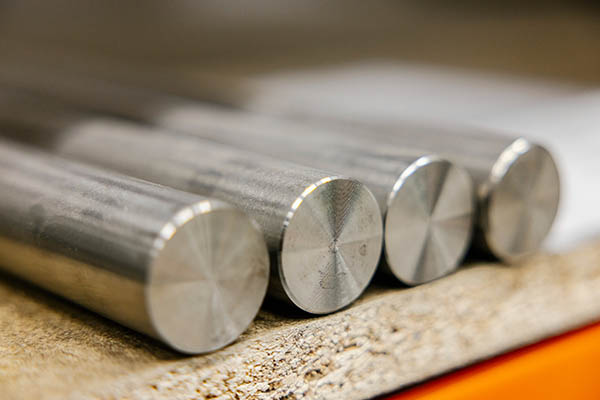
Grade 2 titanium is one of the most widely used commercially pure titanium grades. It contains minimal alloying elements and typically consists of more than 99% titanium, making it highly resistant to corrosion while maintaining moderate mechanical strength.
Unlike alloyed titanium grades such as Grade 5 (Ti-6Al-4V), Grade 2 is classified as CP titanium (commercially pure). This classification emphasizes corrosion resistance, weldability, and formability rather than extreme structural strength.
In practical engineering environments, Grade 2 titanium is frequently selected for:
- Chemical processing equipment
- Heat exchangers
- Marine hardware
- Biomedical components
- Aerospace sheet structures
Its balanced properties make it a versatile industrial material, especially in environments where stainless steel may corrode.
Chemical Composition of Grade 2 Titanium
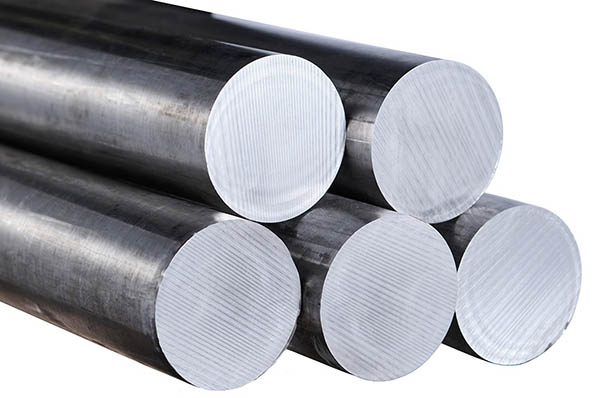
The chemical composition of Grade 2 titanium is tightly controlled by standards such as ASTM B265. Small amounts of interstitial elements enhance strength without significantly reducing corrosion resistance.
| Element | Maximum Content (%) | Function |
|---|---|---|
| Titanium (Ti) | Balance (~99.2%) | Base metal |
| Oxygen (O) | 0.25 | Increases strength |
| Iron (Fe) | 0.30 | Improves ductility |
| Carbon (C) | 0.08 | Enhances hardness |
| Nitrogen (N) | 0.03 | Strengthens grain structure |
| Hydrogen (H) | 0.015 | Controlled impurity |
These trace elements create a microstructure that offers both strength and excellent corrosion resistance, which is why Grade 2 titanium performs well in chemical processing environments.
Mechanical Properties of Grade 2 Titanium
Grade 2 titanium offers a balanced combination of strength, ductility, and fatigue resistance. Typical mechanical values are shown below.
| Property | Typical Value |
|---|---|
| Tensile Strength | ~345 MPa |
| Yield Strength | ~275 MPa |
| Elongation | ≥20% |
| Elastic Modulus | ~105 GPa |
| Density | 4.51 g/cm³ |
Although these values are lower than titanium alloys like Grade 5, they are sufficient for many industrial components while providing far superior corrosion resistance.
Density and Strength-to-Weight Ratio
One of the most important characteristics of titanium is its exceptional strength-to-weight ratio. Grade 2 titanium has a density of approximately 4.5 g/cm³, which is about 40–45% lighter than steel.
For example:
| Material | Density (g/cm³) |
|---|---|
| Carbon Steel | ~7.8 |
| Stainless Steel | ~8.0 |
| Grade 2 Titanium | ~4.5 |
This lower density allows engineers to reduce weight without sacrificing mechanical performance. As a result, Grade 2 titanium is commonly used in aerospace and marine structures where weight reduction is critical.
Corrosion Resistance Mechanism
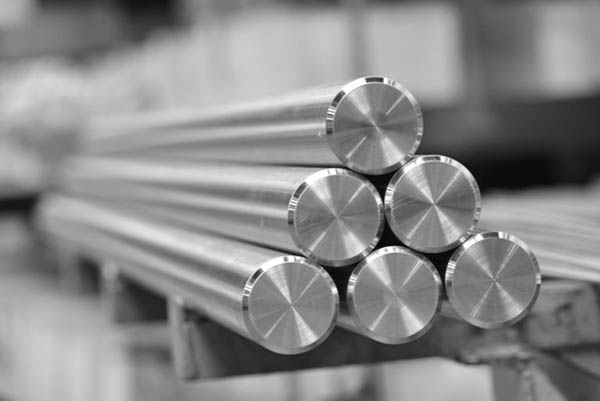
The outstanding corrosion resistance of Grade 2 titanium comes from its ability to form a stable oxide layer on its surface. When titanium is exposed to oxygen, it rapidly forms titanium dioxide (TiO₂), which protects the underlying metal.
Key characteristics of this oxide film:
- Self-healing if scratched
- Highly stable in saltwater environments
- Resistant to many acids and chlorides
Because of this passive oxide layer, Grade 2 titanium is widely used in:
- Desalination plants
- Offshore structures
- Chemical reactors
- Heat exchangers
Hardness and Ductility Characteristics
Grade 2 titanium typically has a Brinell hardness of about 120 HB, which is softer than many steels but beneficial for forming and fabrication.
Advantages of this hardness level include:
- Easier forming and bending
- Improved weldability
- Lower cracking risk during fabrication
However, its moderate hardness also means that surface treatments may be applied when wear resistance is required.
Heat Resistance and Thermal Properties
Titanium maintains stable mechanical properties at elevated temperatures. While Grade 2 titanium is not designed for extreme heat like superalloys, it performs reliably up to about 400–500°C in many industrial conditions.
Important thermal characteristics:
- Melting point ≈ 1660°C
- Low thermal conductivity compared to aluminum
- Good oxidation resistance
These characteristics make it suitable for aerospace sheet structures, exhaust systems, and heat exchangers.

ASTM Standards and Material Specifications
Grade 2 titanium is governed by several international material standards that define its composition and mechanical properties.
| Standard | Description |
|---|---|
| ASTM B265 | Titanium sheet, strip, and plate |
| ASTM B348 | Titanium bars and billets |
| ASTM B381 | Titanium forgings |
| AMS 4902 | Aerospace titanium sheet specification |
ASTM B265 is one of the most widely referenced standards for Grade 2 titanium plates and sheets.
CNC Machining Characteristics of Grade 2 Titanium
From a CNC machining perspective, titanium behaves very differently from aluminum or steel.
Key machining challenges:
- Low thermal conductivity causes heat concentration at the cutting edge
- Work hardening can occur if cutting speeds are too low
- Tool wear can increase due to high chemical reactivity
Recommended CNC machining strategies:
| Parameter | Recommendation |
|---|---|
| Cutting speed | Low to moderate |
| Tool material | Carbide or coated carbide |
| Coolant | High-pressure coolant |
| Feed rate | Consistent feed to avoid work hardening |
Using rigid CNC machines and optimized toolpaths significantly improves machining efficiency.
Welding and Fabrication Methods
Grade 2 titanium is known for its excellent weldability compared with many titanium alloys.
Common welding processes:
- TIG (GTAW) welding
- Electron beam welding
- Laser welding
However, welding must be performed in inert gas environments, typically using argon shielding, to prevent oxygen contamination.
Surface Finishing and Treatment Options
Several surface finishing techniques are commonly applied to Grade 2 titanium components:
| Surface Treatment | Purpose |
|---|---|
| Sandblasting | Improve surface texture |
| Anodizing | Increase corrosion resistance |
| Polishing | Medical or decorative surfaces |
| Passivation | Strengthen oxide layer |
These treatments improve durability and aesthetics, especially for aerospace or medical parts.
Common Industrial Applications
Because of its corrosion resistance and biocompatibility, Grade 2 titanium is widely used across many industries.
Major application sectors:
| Industry | Typical Components |
|---|---|
| Chemical Processing | Heat exchangers, reactors |
| Marine Engineering | Propeller shafts, desalination systems |
| Aerospace | Structural sheets and brackets |
| Medical | Implants and surgical tools |
| Power Generation | Condenser tubes |
These applications benefit from the material’s combination of corrosion resistance, strength, and lightweight properties.
Comparison With Other Titanium Grades
| Property | Grade 1 | Grade 2 | Grade 5 |
|---|---|---|---|
| Strength | Low | Medium | Very High |
| Corrosion Resistance | Excellent | Excellent | Good |
| Weldability | Excellent | Excellent | Moderate |
| Typical Use | Chemical | Industrial | Aerospace |
Grade 2 titanium is often considered the most versatile grade because it balances strength and corrosion resistance.
Cost Considerations and Supply Forms
Grade 2 titanium is generally less expensive than titanium alloys because it contains no expensive alloying elements.
Common supply forms include:
- Titanium plate
- Titanium sheet
- Titanium bar
- Titanium tubing
- Titanium wire
These forms can be easily processed through CNC machining, forging, or fabrication.
Why Engineers Choose Grade 2 Titanium for Corrosive Environments
In highly corrosive environments such as seawater, chemical plants, or desalination systems, Grade 2 titanium offers a unique combination of benefits:
- Outstanding corrosion resistance
- Long service life
- Minimal maintenance
- Lightweight construction
For these reasons, it often replaces stainless steel or nickel alloys in critical industrial equipment.
Conclusion: Why Xavier Titanium Manufacturing Is a Smart Choice
When sourcing Grade 2 titanium components, selecting a manufacturer with deep machining expertise is critical. Xavier specializes in precision CNC machining of titanium parts, offering:
- High-precision 3/4/5 Axis CNC machining
- Strict material certification and traceability
- Advanced surface finishing options
- Fast prototyping and scalable production
Whether you require titanium heat exchanger parts, aerospace brackets, or custom medical components, Xavier provides reliable manufacturing solutions using premium Grade 2 titanium materials.
If you are planning a project involving corrosion-resistant titanium components, working with a specialized supplier like Xavier can significantly improve product quality and long-term performance.
Some of the images and text in this article are collected and compiled from the internet. If there is anything inappropriate, please contact us for processing.