Zinc Metal: Properties, Applications, Manufacturing, and Industrial Uses
Chemical and Physical Properties of Zinc Metal
Zinc (Zn) is a bluish-silver transition metal widely used in industrial manufacturing, coatings, and alloys. It belongs to Group 12 of the periodic table and is known for its low melting point and strong corrosion resistance.
The metal naturally forms a protective oxide layer when exposed to air, which prevents further corrosion and makes it ideal for protective coatings.
Key physical data of zinc metal:
| Property | Value |
|---|---|
| Atomic number | 30 |
| Density | ~7.13 g/cm³ |
| Melting point | ~419.5 °C |
| Boiling point | ~907 °C |
| Crystal structure | Hexagonal close-packed |
| Oxidation state | +2 |
Because of its low melting temperature compared with most structural metals, zinc is widely used in casting processes and coating technologies.
Example:
A typical zinc die-casting alloy component can be produced at temperatures below 450 °C, while aluminum casting requires about 660 °C.
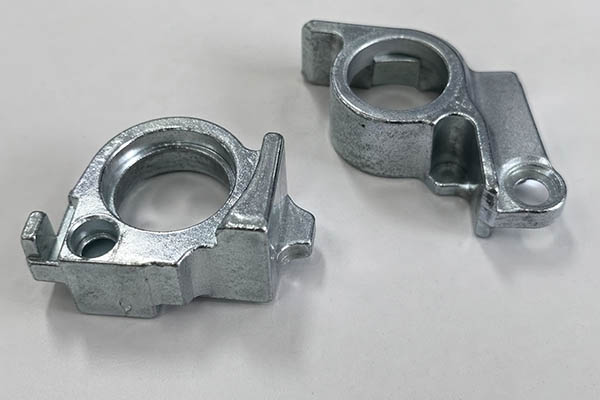
Zinc in the Periodic Table and Atomic Characteristics
Zinc belongs to the transition metal family, located between copper and gallium in the periodic table.
Atomic configuration:
[Ar] 3d10 4s2
This electron structure results in several important characteristics:
- Stable +2 oxidation state
- Strong ability to form alloys
- High corrosion resistance
- Excellent electrical conductivity
Zinc is also biologically important and functions as a trace element in many enzymatic reactions in the human body.
In industrial applications, the +2 oxidation state allows zinc to easily form compounds such as:
| Compound | Application |
|---|---|
| Zinc oxide | paints, cosmetics, sunscreen |
| Zinc sulfate | fertilizers |
| Zinc chloride | soldering flux |
Natural Sources and Mining of Zinc Ore
Zinc rarely occurs as pure metal in nature. Instead, it is mainly extracted from zinc sulfide ore known as sphalerite.
Other common zinc minerals include:
| Mineral | Chemical Formula |
|---|---|
| Sphalerite | ZnS |
| Smithsonite | ZnCO₃ |
| Hemimorphite | Zn₄Si₂O₇(OH)₂·H₂O |
Major zinc-producing countries include:
| Country | Global Production Share |
|---|---|
| China | Largest producer |
| Peru | Major exporter |
| Australia | Large reserves |
| India | Rapidly growing production |
The mining process usually involves:
- Ore extraction
- Crushing and grinding
- Froth flotation concentration
- Roasting and smelting
Zinc Extraction and Refining Processes
Industrial zinc production typically uses two primary methods.
Pyrometallurgical method (smelting)
Hydrometallurgical method (electrolytic extraction)
Basic production steps:
| Step | Description |
|---|---|
| Roasting | Converts zinc sulfide into zinc oxide |
| Leaching | Dissolves zinc oxide in sulfuric acid |
| Purification | Removes impurities like copper and cadmium |
| Electrolysis | Produces high-purity zinc metal |
Electrolytic refining can achieve purity levels above 99.99%, which is necessary for die casting and galvanizing applications.
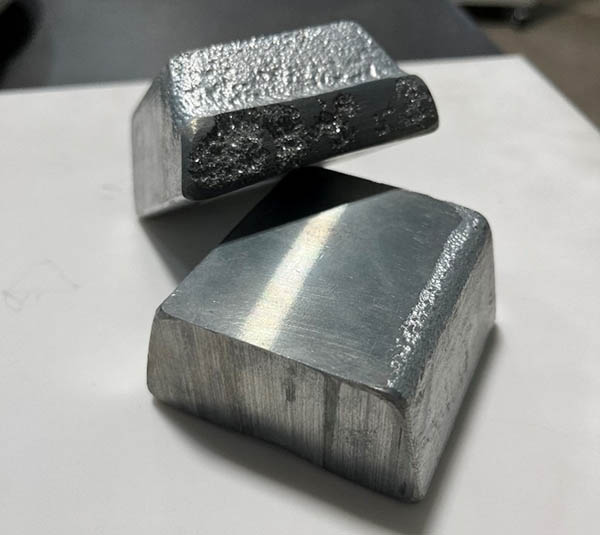
Zinc Corrosion Resistance and Sacrificial Protection
One of the most valuable properties of zinc is its ability to protect steel through sacrificial corrosion.
When zinc-coated steel is exposed to moisture:
- Zinc oxidizes first
- Steel remains protected
- Corrosion spreads slowly
This electrochemical process explains why zinc is widely used in corrosion protection systems.
Example applications:
- Highway guardrails
- Steel bridges
- Offshore platforms
- Construction fasteners
Hot-Dip Galvanizing vs Electrogalvanizing
Galvanizing is the most common use of zinc metal globally.
Two primary techniques exist:
| Process | Method | Coating Thickness | Typical Use |
|---|---|---|---|
| Hot-dip galvanizing | Steel dipped in molten zinc | Thick | structural steel |
| Electrogalvanizing | Electroplated zinc coating | Thin | automotive panels |
Hot-dip galvanizing occurs at roughly 450 °C molten zinc baths, creating a durable iron-zinc alloy layer.
Advantages of galvanizing:
- long corrosion protection
- lower maintenance cost
- high durability
Zinc Alloys and Zamak Materials
Zinc alloys are extensively used in manufacturing because they combine strength, castability, and precision.
The most famous zinc alloy family is Zamak.
Composition example:
| Alloy | Zn | Al | Mg | Cu |
|---|---|---|---|---|
| Zamak 3 | ~96% | 4% | trace | trace |
Zamak alloys offer several benefits:
- excellent dimensional stability
- good mechanical strength
- thin wall casting capability
- high surface finish quality
These alloys are widely used in hardware, automotive parts, electronics housings, and consumer products.
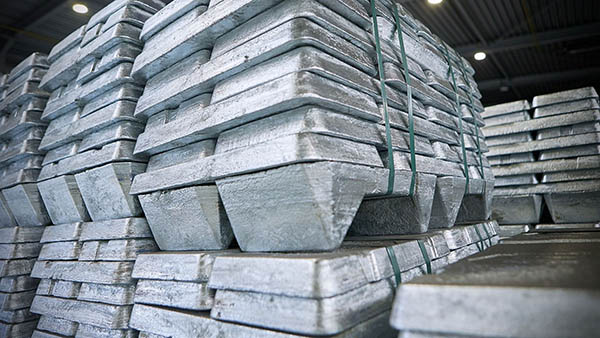
Zinc Die Casting in Manufacturing
Zinc die casting is a high-precision manufacturing process widely used for complex components.
Advantages compared with aluminum casting:
| Feature | Zinc Die Casting | Aluminum Die Casting |
|---|---|---|
| Melting point | Lower | Higher |
| Tool life | Longer | Shorter |
| Dimensional accuracy | Higher | Moderate |
| Wall thickness | Thinner possible | Limited |
Typical zinc die-cast products include:
- automotive lock components
- electronic connectors
- decorative hardware
- gear housings
Mechanical Properties of Zinc Metal
The mechanical properties of zinc vary depending on purity and processing method.
Typical mechanical properties:
| Property | Value |
|---|---|
| Tensile strength (rolled) | up to 246 MPa |
| Hardness | ~30 Brinell |
| Elongation | up to 65% |
| Modulus of elasticity | ~100 GPa |
Zinc is relatively brittle at room temperature but becomes more ductile above 100 °C, allowing it to be rolled into sheets.
Zinc Sheet and Structural Applications
Zinc sheet metal has been used in architecture for over 150 years.
Common architectural applications include:
| Application | Example |
|---|---|
| Roofing panels | European buildings |
| Wall cladding | modern architecture |
| Rainwater systems | gutters |
| Decorative panels | facades |
Zinc roofing can last 50–100 years due to natural patina formation.
Zinc in Automotive and Hardware Industries
Automotive manufacturing consumes large volumes of zinc because of its anti-corrosion capabilities.
Examples of automotive zinc components:
- galvanized body panels
- die-cast door handles
- lock housings
- carburetor parts
Hardware industry applications include:
- fasteners
- hinges
- electrical fittings
- cabinet handles
Zinc in Electronics and Batteries
Zinc has long been used in battery technology.
Common battery systems using zinc:
| Battery Type | Role of Zinc |
|---|---|
| Zinc-carbon battery | anode material |
| Alkaline battery | anode |
| Zinc-air battery | high energy density |
Because zinc is inexpensive and stable, it remains one of the most widely used battery metals.
Zinc Machining and CNC Manufacturing Considerations
Zinc alloys are extremely suitable for CNC machining and precision manufacturing.
Advantages in machining:
- low cutting resistance
- smooth surface finish
- excellent dimensional stability
- low tool wear
Example machining parameters for zinc alloys:
| Parameter | Typical Range |
|---|---|
| Cutting speed | 200–400 m/min |
| Feed rate | 0.05–0.25 mm/rev |
| Coolant | optional |
These characteristics make zinc alloys popular in precision CNC components and small hardware parts.
Environmental Sustainability and Recyclability of Zinc
Zinc is considered a highly sustainable industrial metal.
Important environmental advantages:
- 100% recyclable without loss of properties
- low energy consumption in recycling
- long service life in coatings
Approximately 30–40% of global zinc production comes from recycled sources in some industrial sectors.
Global Zinc Production and Industrial Demand
Global zinc consumption continues to grow because of construction and manufacturing industries.
Major demand sectors:
| Industry | Share |
|---|---|
| Galvanizing | ~50% |
| Die casting | ~17% |
| Brass production | ~17% |
| Chemicals | ~6% |
| Others | ~10% |
Infrastructure development and renewable energy projects are expected to further increase zinc demand in the coming decades.
Xavier: Precision Zinc Manufacturing Solutions
For manufacturers requiring high-quality zinc components, choosing a reliable machining and production partner is essential.
Xavier Manufacturing provides advanced capabilities including:
- precision CNC machining of zinc alloys
- zinc die-casting component production
- custom hardware and mechanical parts
- surface treatments including zinc plating and galvanizing support
Advantages of working with Xavier:
| Capability | Benefit |
|---|---|
| Multi-axis CNC machining | complex geometries |
| tight tolerance control | high precision parts |
| rapid prototyping | faster product development |
| global export experience | reliable supply chain |
Whether your project requires zinc die-cast parts, precision CNC components, or custom industrial hardware, Xavier provides efficient, cost-effective manufacturing solutions for global customers.
Some of the images and text in this article are collected and compiled from the internet. If there is anything inappropriate, please contact us for processing.