Blue Anodizing: Complete Engineering Guide for Colored Aluminum Surface Finishing
Blue anodizing is one of the most widely used decorative and functional surface treatments for aluminum parts. It combines the durability of anodized aluminum with a vibrant blue appearance that is commonly used in electronics, automotive components, aerospace parts, and consumer products.
Unlike paint or powder coating, anodizing forms a porous aluminum oxide layer integrated with the base metal, allowing dyes to penetrate the surface and become permanently embedded. This results in a finish that resists peeling, improves corrosion resistance, and provides excellent wear resistance.
In modern CNC machining and precision manufacturing, blue anodized aluminum is often used to improve both product aesthetics and functional performance.
What Is Blue Anodizing
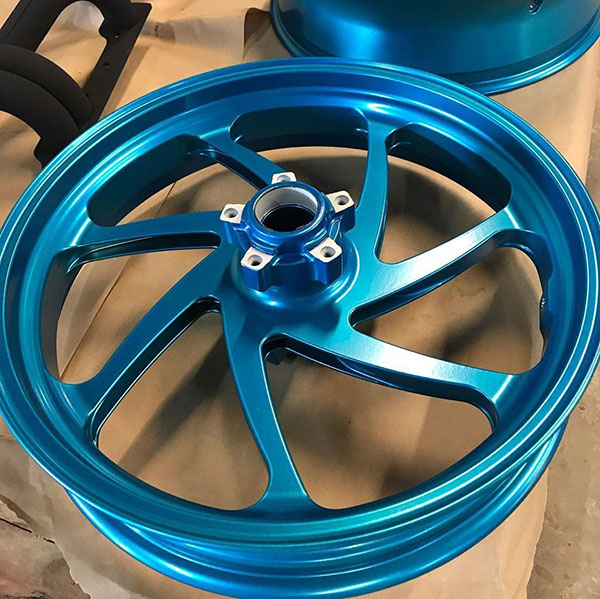
Blue anodizing refers to aluminum that has undergone an anodizing process followed by blue dye absorption into the anodic oxide layer. The anodizing process thickens the natural oxide film on aluminum, creating a porous structure that can absorb dyes before being sealed.
The result is a durable colored finish where the pigment becomes part of the metal surface rather than sitting on top like paint.
Key characteristics include:
| Feature | Blue Anodized Aluminum | Painted Aluminum |
|---|---|---|
| Color integration | Embedded in oxide layer | Surface coating |
| Peeling risk | Very low | Moderate |
| Scratch resistance | High | Medium |
| Durability | Long-term | Limited |
This is why blue anodizing is commonly used in premium consumer products and precision-machined components.
The Science Behind the Blue Color Formation
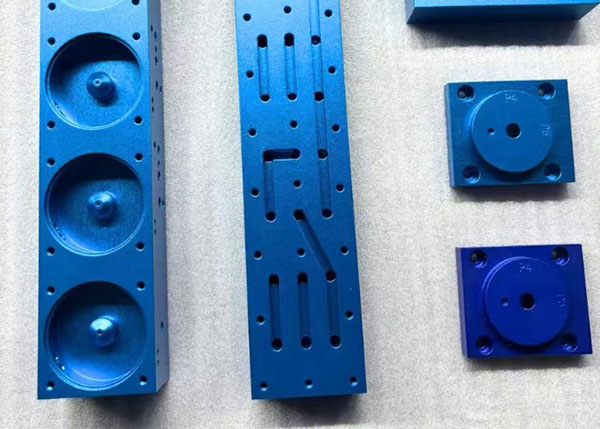
The blue color in anodized aluminum is produced through dye absorption inside microscopic pores in the oxide layer.
During anodizing:
- Aluminum is oxidized electrochemically.
- A porous Al₂O₃ oxide layer forms on the surface.
- Blue dye molecules penetrate these pores.
- Sealing closes the pores and locks the color inside.
The pores are typically 10–50 nanometers in diameter, allowing dye molecules to penetrate the structure and create a stable colored surface.
The final appearance depends on several optical factors:
- oxide layer thickness
- dye concentration
- light reflection from the aluminum substrate
This is why anodized aluminum often appears slightly different under varying lighting angles.
Step-by-Step Blue Anodizing Process
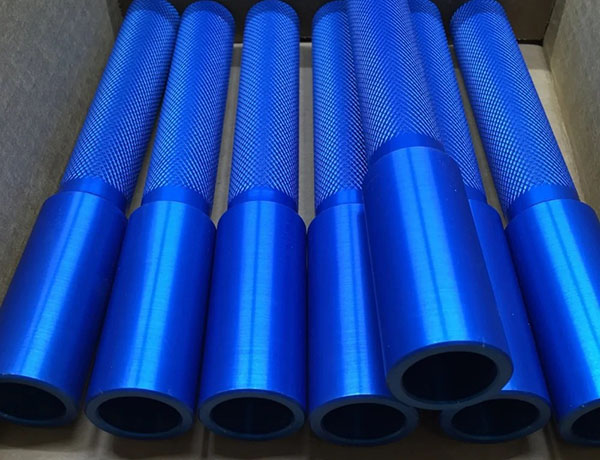
Blue anodizing involves several controlled manufacturing stages.
Surface Preparation
Before anodizing, aluminum parts must be thoroughly cleaned.
Common steps include:
- alkaline degreasing
- acid etching
- water rinsing
Poor cleaning is responsible for many anodizing defects such as uneven color.
Electrochemical Anodizing
The aluminum part is immersed in a sulfuric acid electrolyte bath and connected as the anode. Electric current causes oxygen ions to react with aluminum, forming an oxide layer.
Typical parameters:
| Parameter | Typical Value |
|---|---|
| Voltage | 12–24 V |
| Temperature | 18–22°C |
| Oxide thickness | 5–25 µm |
Dyeing
The anodized part is immersed in a blue dye bath. Dye molecules enter the oxide pores.
Sealing
Hot water or nickel acetate sealing closes the pores, improving corrosion resistance and locking in the color.
Types of Blue Anodizing Finishes
Blue anodizing can produce several visual textures depending on surface preparation.
Clear Blue Anodizing
The natural aluminum grain remains visible beneath a translucent blue tint.
Common in:
- electronics housings
- CNC machined parts
- consumer gadgets
Matte Blue Anodizing
Achieved by bead blasting before anodizing.
Characteristics:
- non-reflective surface
- uniform color
- reduced glare
Gloss Blue Anodizing
Achieved by polishing aluminum before anodizing.
Applications include:
- decorative parts
- luxury electronics
- automotive trim
Common Aluminum Alloys Used for Blue Anodizing
Different alloys respond differently to anodizing and dye absorption.
| Aluminum Alloy | Anodizing Quality | Typical Applications |
|---|---|---|
| 6061 | Excellent | CNC parts, housings |
| 6063 | Very good | architectural profiles |
| 7075 | Moderate | aerospace components |
High copper alloys sometimes produce uneven color tones, so they require strict process control.
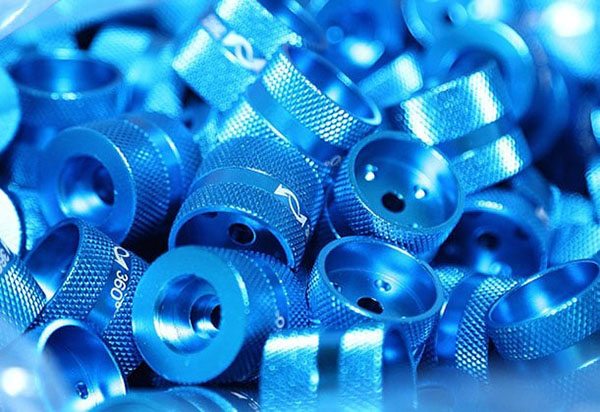
Oxide Layer Thickness and Color Depth
The thickness of the anodized oxide layer strongly affects the final blue color.
| Anodizing Type | Oxide Thickness | Color Capability |
|---|---|---|
| Type I | 1–5 µm | Limited dye absorption |
| Type II | 5–25 µm | Ideal for colored anodizing |
| Type III | 25–80 µm | Hard anodizing, darker tones |
Thicker oxide layers generally produce deeper and more saturated blue shades.
Performance Properties of Blue Anodized Aluminum
Blue anodizing provides several measurable engineering benefits.
Corrosion Resistance
The oxide layer acts as a barrier against moisture and chemicals, significantly reducing corrosion risk.
Salt spray resistance can exceed 300–1000 hours depending on sealing quality.
Wear Resistance
Anodized surfaces are 2–3 times harder than raw aluminum, making them more resistant to scratches and abrasion.
Electrical Insulation
The oxide layer is electrically insulating, which can be useful for electronic housings and precision components.
UV Stability and Color Retention
High-quality anodizing dyes are designed to resist fading under sunlight exposure.
Typical durability:
| Environment | Expected Color Stability |
|---|---|
| Indoor | 20+ years |
| Outdoor | 10–20 years |
Proper sealing significantly improves UV stability.
Blue Anodizing vs Other Colored Finishes
| Surface Finish | Durability | Color Stability | Peeling Risk |
|---|---|---|---|
| Blue anodizing | High | High | Very low |
| Powder coating | Medium | Medium | Moderate |
| Painting | Low | Low | High |
Unlike coatings, anodized colors cannot peel because they are embedded into the metal surface.
Surface Preparation Methods Before Blue Anodizing
Surface preparation determines the final visual texture.
Common methods include:
| Method | Resulting Appearance |
|---|---|
| Polishing | Gloss blue |
| Brushing | Satin blue |
| Bead blasting | Matte blue |
This step allows designers to create distinct product aesthetics.
Industrial Applications of Blue Anodized Aluminum
Blue anodized aluminum is widely used across industries.
Consumer Electronics
Examples:
- laptop housings
- smartphone frames
- audio equipment
The finish improves scratch resistance while maintaining a premium look.
Automotive Components
Typical parts include:
- brackets
- pedals
- engine components
- decorative trim
Aerospace and Defense
Blue anodizing provides corrosion resistance while helping with part identification through color coding.
Medical Devices
Used in surgical tools and medical equipment due to durability and sterilization resistance.
Manufacturing Challenges in Blue Anodizing
Producing consistent blue anodized parts requires tight process control.
Common issues include:
- color variation
- uneven dye absorption
- alloy contamination
- temperature fluctuations
Even small deviations in dye time or bath temperature can cause noticeable color differences.
Quality Control Standards for Blue Anodizing
Industrial anodizing often follows standards such as:
| Standard | Description |
|---|---|
| MIL-A-8625 | U.S. military anodizing specification |
| ISO 7599 | Anodizing of aluminum |
| ASTM B580 | Appearance of anodized coatings |
These standards define thickness, sealing quality, and color uniformity.
Maintenance and Cleaning of Blue Anodized Parts
Proper maintenance helps maintain color and appearance.
Recommended practices:
- mild detergent cleaning
- soft cloth wiping
- avoid abrasive materials
Harsh chemicals or metal brushes may damage the anodized surface.
Future Trends in Colored Anodizing
New anodizing technologies are expanding possibilities.
Emerging innovations include:
- laser-patterned anodizing
- multi-color anodized parts
- nano-structured anodic coatings
- environmentally friendly dye systems
These technologies enable advanced design possibilities in aerospace, electronics, and consumer products.
Why Choose Xavier for Blue Anodized CNC Parts
If your project requires precision blue anodized aluminum components, working with an experienced manufacturing partner is critical.
Xavier specializes in:
- CNC machining of aluminum alloys
- Type II and Type III anodizing
- precision color control for blue anodized finishes
- custom surface preparation such as brushing or bead blasting
Our engineering team ensures that every anodized component maintains consistent color, excellent corrosion resistance, and precise dimensional accuracy. cnc machining service
Whether you are producing electronics housings, automotive components, or industrial equipment parts, Xavier delivers high-quality anodized finishes designed for performance and visual appeal.
Some of the images and text in this article are collected and compiled from the internet. If there is anything inappropriate, please contact us for processing.