
The Complete Guide to Diesel Parts: Components, Functions, Maintenance, and Manufacturing
Diesel engines power trucks, construction equipment, agricultural machinery, generators, marine vessels, and industrial systems worldwide. Their durability and fuel efficiency make them the preferred choice for demanding applications. However, the performance of a diesel engine depends heavily on the quality and condition of its components.
This guide explores the most important diesel parts, their functions, common failures, maintenance requirements, and how precision CNC machining contributes to manufacturing high-performance diesel engine components.
Diesel Engine Core Components
The foundation of every diesel engine consists of several major mechanical components that convert fuel energy into usable power.
| Component | Function | Typical Material |
|---|---|---|
| Engine Block | Main structural body | Cast Iron / CGI |
| Cylinder Head | Houses valves and injectors | Aluminum / Cast Iron |
| Pistons | Convert combustion force | Aluminum Alloy |
| Connecting Rods | Transfer force to crankshaft | Forged Steel |
| Crankshaft | Converts reciprocating motion | Forged Steel |
| Camshaft | Controls valve timing | Alloy Steel |
These parts must withstand extreme temperatures, pressures exceeding 150 bar inside the combustion chamber, and millions of operating cycles throughout the engine’s life.
Example
A heavy-duty truck engine operating 100,000 miles annually may complete over 150 million combustion cycles during its service life.
Fuel Injection System Parts
The fuel injection system is often described as the heart of a diesel engine.
Its primary tasks include:
- Metering fuel accurately
- Creating injection pressure
- Atomizing diesel fuel
- Delivering fuel at precise timing
Modern injection systems can operate at pressures between 1,600 and 2,500 bar (23,000–36,000 PSI).
Main Injection Components
| Part | Purpose |
|---|---|
| Fuel Tank | Stores diesel fuel |
| Lift Pump | Supplies fuel to HP pump |
| High-Pressure Pump | Generates injection pressure |
| Common Rail | Stores pressurized fuel |
| Injectors | Deliver fuel into cylinders |
| ECU | Controls injection timing |
Without precise injection control, fuel consumption and emissions rise dramatically.
Common Rail Diesel Technology
Common rail technology revolutionized diesel engine performance.
Instead of generating pressure at each injector, a common rail system stores high-pressure fuel in a shared accumulator rail and distributes it to electronically controlled injectors.
Advantages
- Better fuel economy
- Lower emissions
- Quieter operation
- Multiple injection events
- Higher engine power
Typical Pressure Comparison
| System Type | Pressure |
|---|---|
| Mechanical Injection | 300–800 bar |
| Unit Injector | 1,500–2,000 bar |
| Common Rail | 1,600–2,500+ bar |
Modern diesel engines rely heavily on common rail systems to meet strict emissions regulations.
Diesel Fuel Injectors
Fuel injectors are among the most critical diesel parts.
Their job is to atomize diesel fuel into microscopic droplets and inject them directly into the combustion chamber.
Modern injectors use either:
- Solenoid technology
- Piezoelectric technology
Piezo injectors offer faster response times and greater precision.
Common Injector Failures
| Symptom | Possible Cause |
|---|---|
| Hard Starting | Injector leakage |
| Black Smoke | Poor spray pattern |
| Rough Idle | Uneven fuel delivery |
| Power Loss | Clogged nozzle |
| High Fuel Consumption | Excess return flow |
Even a slight deviation in injector performance can significantly impact combustion efficiency.
High-Pressure Fuel Pumps
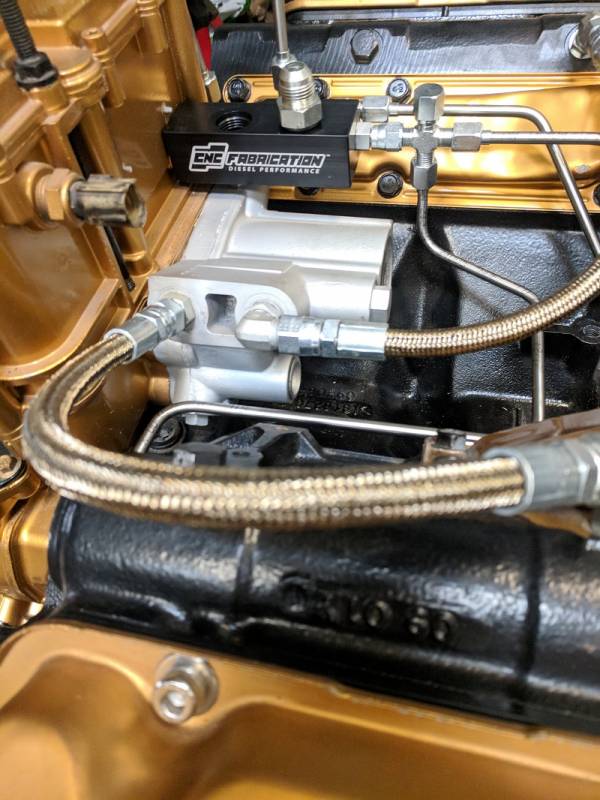
The high-pressure fuel pump supplies fuel to the common rail system.
It continuously compresses diesel fuel to extremely high pressures before distribution.
Popular Pump Types
- Bosch CP3
- Bosch CP4
- Denso HP Pumps
- Delphi Pumps
The CP3 pump is widely regarded as one of the most durable diesel fuel pumps in commercial applications.
Turbochargers and Boost Systems
Turbochargers significantly improve diesel engine performance.
They use exhaust gas energy to compress intake air, increasing oxygen availability during combustion.
Benefits
| Benefit | Improvement |
|---|---|
| Horsepower | +20% to +50% |
| Torque | +30% or more |
| Fuel Efficiency | Improved |
| Emissions | Reduced |
Variable Geometry Turbochargers (VGT) have become common in modern diesel engines because they provide excellent boost control across different RPM ranges.
Intercoolers and Air Intake Components
Compressed air leaving the turbocharger becomes hot.
Hot air contains less oxygen per unit volume.
The intercooler reduces intake temperature before the air enters the engine.
Typical Benefits
- Increased air density
- Improved combustion efficiency
- Reduced exhaust temperatures
- Higher engine power
A clogged intercooler can reduce engine performance by 10–15%.
Diesel Engine Pistons and Connecting Rods
Diesel pistons operate under much higher compression ratios than gasoline engines.
Typical diesel compression ratios range from:
- 14:1
- 16:1
- 18:1
- 22:1
Material Selection
| Component | Material |
|---|---|
| Pistons | Aluminum Alloy |
| Heavy-Duty Pistons | Steel Crown Pistons |
| Rods | Forged Steel |
Many heavy-duty engines now use articulated piston designs to improve durability under extreme combustion pressures.
Cylinder Heads and Valvetrain Parts
The cylinder head houses:
- Intake valves
- Exhaust valves
- Fuel injectors
- Camshaft components
Valve train components include:
- Valves
- Valve seats
- Springs
- Rocker arms
- Cam followers
Improper valve clearance can lead to:
- Power loss
- Excessive wear
- Increased emissions
Regular valve adjustment is critical in many industrial diesel engines.
Diesel Filtration Systems
Diesel fuel contamination is one of the leading causes of injector and pump failures.
Essential Filters
| Filter Type | Purpose |
|---|---|
| Fuel Filter | Removes contaminants |
| Water Separator | Removes moisture |
| Air Filter | Prevents dust ingestion |
| Oil Filter | Protects moving parts |
A particle smaller than 5 microns can damage modern common rail injectors.
Cooling System Components
Diesel engines generate substantial heat during operation.
The cooling system prevents overheating.
Main Cooling Parts
- Radiator
- Water Pump
- Thermostat
- Coolant Reservoir
- Cooling Fan
Typical diesel operating temperatures range from 85°C to 105°C.
Excessive heat can cause:
- Head gasket failure
- Warped cylinder heads
- Reduced engine life
Lubrication System Parts
Lubrication reduces friction and wear.
Critical Components
| Component | Function |
|---|---|
| Oil Pump | Circulates oil |
| Oil Cooler | Controls temperature |
| Oil Filter | Removes debris |
| Oil Galleries | Distribute lubrication |
Proper lubrication directly impacts:
- Bearing life
- Turbocharger durability
- Fuel efficiency
Emission Control Components (EGR, DPF, SCR)
Modern diesel engines must comply with stringent environmental regulations.
Key Emission Components
| Part | Function |
|---|---|
| EGR Valve | Reduces NOx |
| DPF Filter | Captures soot |
| SCR System | Converts NOx |
| DEF Injector | Delivers urea solution |
These systems have become essential components in modern diesel vehicles and equipment.
Diesel Parts Maintenance and Failure Signs
Preventive maintenance dramatically reduces operating costs.
Recommended Inspection Schedule
| Component | Inspection Interval |
|---|---|
| Fuel Filter | 15,000–20,000 miles |
| Air Filter | 20,000–30,000 miles |
| Injectors | 100,000+ miles |
| Turbocharger | Annual inspection |
| Cooling System | Every service cycle |
Warning Signs
- Hard starting
- Excessive smoke
- Rough idle
- Loss of power
- Increased fuel consumption
Ignoring these symptoms often leads to expensive repairs.
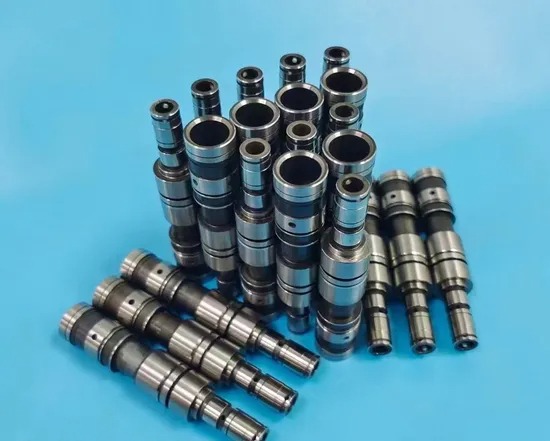
CNC Machining of Diesel Engine Parts
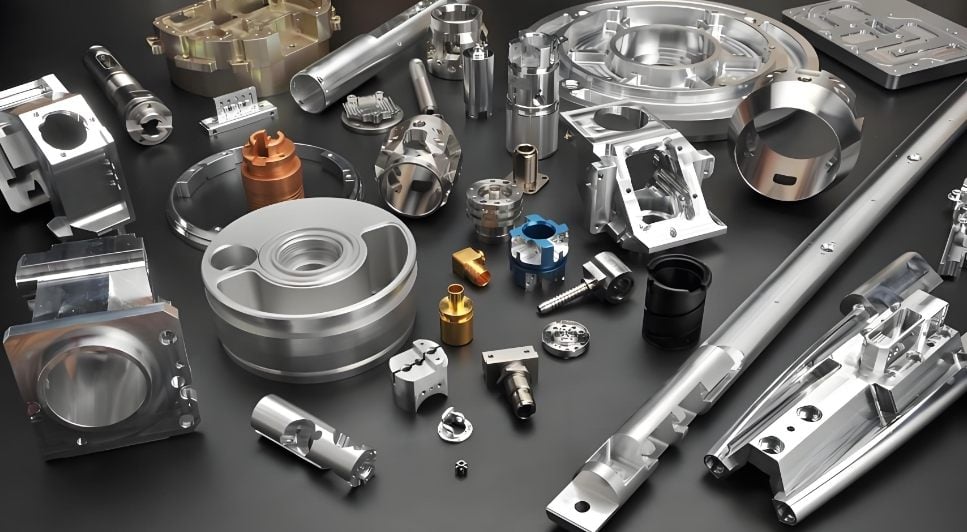
Precision CNC machining plays a critical role in manufacturing diesel parts.
Common CNC-machined diesel components include:
- Injector bodies
- Fuel rails
- Pump housings
- Turbocharger housings
- Cylinder heads
- Valve components
- Pistons
- Connecting rods
Typical Machining Tolerances
| Component | Tolerance |
|---|---|
| Injector Components | ±0.002 mm |
| Fuel Rail Parts | ±0.01 mm |
| Turbo Components | ±0.005 mm |
Advanced 5-axis CNC machining enables the production of complex geometries required in modern diesel engines.
Why High-Quality Diesel Parts Matter
Using premium diesel parts offers several benefits:
- Longer service life
- Improved fuel economy
- Lower emissions
- Reduced downtime
- Higher reliability
For fleet operators, even a 2–3% improvement in fuel efficiency can translate into thousands of dollars in annual savings.
Why Choose Xavier for Precision Diesel Parts Manufacturing
When sourcing custom diesel parts, manufacturing quality is just as important as design.
Xavier specializes in precision CNC machining for diesel engine and industrial equipment applications. With advanced 3-axis, 4-axis, and 5-axis machining centers, Xavier produces high-precision components such as fuel system parts, turbocharger components, engine housings, valve train components, and custom diesel engine hardware.
Whether you require prototype development, low-volume production, or large-scale manufacturing, Xavier provides:
- Tight-tolerance CNC machining
- Multiple material options
- Fast lead times
- Strict quality inspection
- Global delivery support
For manufacturers, repair facilities, and OEM suppliers seeking reliable diesel parts production, Xavier delivers precision, consistency, and long-term value.
As an integrated manufacturing and trading company specializing in CNC machining services, we focus on custom CNC machining and precision metal part production. We support CNC Anodizing Surface Finishing, CNC Electroless Nickel Plating Surface Finishing, and CNC Passivation Surface Finishing.
As a CNC Anodizing Surface Finishing Manufacturer, we provide high-volume CNC Electroless Nickel Plating Surface Finishing Services. Contact us today for competitive CNC Passivation Surface Finishing Pricing.
Some of the images and text in this article are collected and compiled from the internet. If there is anything inappropriate, please contact us for processing.