
Brushed Aluminum Finish: Complete Engineering and Application Guide
Brushed aluminum finish is one of the most widely used surface treatments in CNC machining, sheet metal fabrication, and consumer product manufacturing. From laptop housings and architectural panels to automotive trim components, brushed aluminum provides a distinctive linear texture while improving aesthetic appeal and surface durability.
Unlike mirror polishing, brushed aluminum intentionally introduces directional micro-scratches to create a satin or matte metallic appearance. These lines are produced through mechanical abrasion processes using belts, pads, or brushes. The result is a controlled surface roughness that hides scratches and reduces glare.
This guide explains the engineering principles, manufacturing processes, and industrial applications of brushed aluminum finishes.
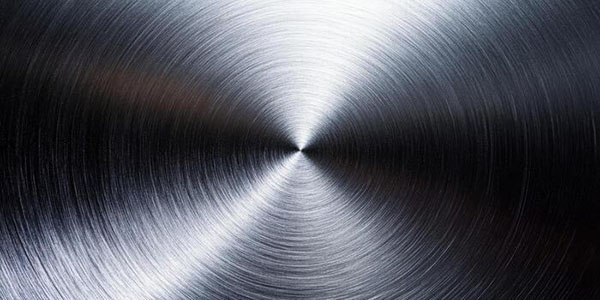
What Is a Brushed Aluminum Finish
A brushed aluminum finish is a mechanically generated surface texture created by moving abrasive tools across the aluminum surface in a controlled direction. This action produces uniform linear grain patterns that give aluminum a satin appearance.
The process removes a thin layer of material while maintaining dimensional accuracy. It does not significantly affect the mechanical properties of the base metal, but it changes the surface appearance, reflectivity, and tactile feel.
Typical characteristics include:
| Property | Brushed Aluminum | Polished Aluminum |
|---|---|---|
| Surface texture | Linear grain pattern | Mirror-like smooth |
| Light reflection | Diffused | High reflection |
| Scratch visibility | Low | High |
| Fingerprint visibility | Reduced | High |
The distinctive brushed texture is commonly used in products where modern industrial aesthetics are important.
How the Brushed Aluminum Finishing Process Works
The brushed finish process consists of several controlled mechanical and cleaning stages.
Surface Preparation
Before brushing, aluminum surfaces must be cleaned to remove oils, debris, and machining fluids. Degreasing ensures uniform abrasion and prevents defects in the final finish.
Typical preparation methods include:
- Alkaline cleaning
- Solvent degreasing
- Ultrasonic cleaning
Mechanical Brushing
After cleaning, the aluminum surface is processed using abrasive tools:
- Abrasive belts
- Nylon abrasive pads
- Wire brushes
- Scotch-Brite wheels
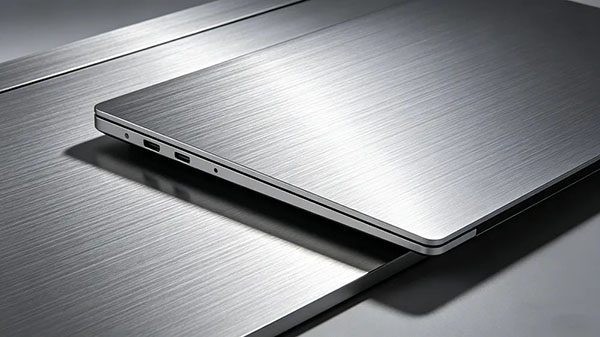
These tools move across the surface in a single directional path to produce the characteristic grain pattern.
Finishing Inspection
The final stage checks:
- Grain direction consistency
- Surface roughness
- Uniform appearance
Inconsistent grain orientation is considered a finishing defect because brushed surfaces are highly directional.
Surface Roughness and Technical Specifications
Surface roughness is a key engineering parameter for brushed aluminum finishes.
Typical roughness values:
| Grit Size | Surface Roughness (Ra) | Typical Appearance |
|---|---|---|
| 80–120 grit | 1.0–1.5 µm | Coarse brushed |
| 150–240 grit | 0.6–1.0 µm | Standard industrial finish |
| 320–400 grit | 0.3–0.6 µm | Fine satin finish |
In many applications, brushed finishes fall between 0.3 µm and 1.2 µm Ra depending on the abrasive media used.
The roughness level directly affects:
- Visual texture
- Light reflection
- Fingerprint visibility
- Coating adhesion
Common Brushing Patterns in Aluminum Finishing
Different brushing techniques produce distinct visual textures.
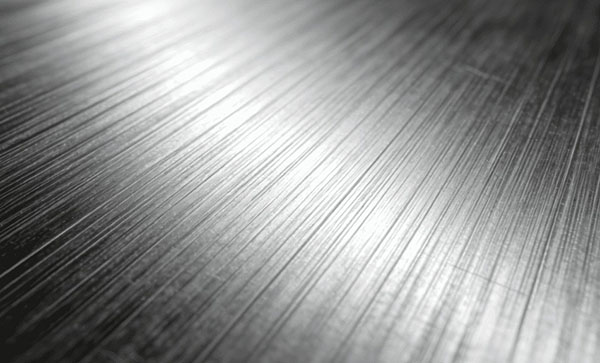
Linear Brushed Finish
The most common type. Abrasive tools move in a straight path, producing parallel grain lines across the surface.
Applications:
- Laptop housings
- Kitchen appliances
- Automotive interior trim
Random Brushed Finish
The abrasive moves in varying directions, producing a more diffused pattern that hides scratches effectively.
Spiral or Circular Brushing
Circular grain patterns are produced by rotating abrasive discs.
Common uses:
- Control knobs
- Decorative metal panels
- Instrument panels
These variations allow manufacturers to tailor appearance and texture to specific product designs.
Advantages of Brushed Aluminum Surfaces
Brushed aluminum finishes offer both functional and aesthetic advantages.
Enhanced Visual Appearance
The satin finish reduces glare and creates a modern industrial aesthetic widely used in consumer electronics.
Scratch Masking Capability
The directional grain hides minor scratches and wear marks, making brushed aluminum ideal for high-touch surfaces.
Reduced Fingerprint Visibility
Compared with polished aluminum, brushed surfaces hide oils and fingerprints more effectively.
Minimal Material Removal
Brushing removes only a thin surface layer, preserving dimensional accuracy in precision components.
Aluminum Alloys Commonly Used for Brushed Finishes
Not all aluminum alloys respond equally to brushing.
Typical alloys include:
| Alloy | Key Properties | Common Applications |
|---|---|---|
| 3003 | Excellent corrosion resistance | Architectural panels |
| 5052 | Higher strength | Automotive parts |
| 6061 | Good machinability | CNC components |
These alloys balance formability, strength, and corrosion resistance, making them suitable for decorative finishes.
Post-Treatment Processes for Brushed Aluminum
After brushing, additional surface treatments are often applied.
Anodizing
Anodizing creates a protective oxide layer (5–20 µm thick) that improves corrosion resistance and hardness.
Protective Coatings
Clear coatings protect the brushed grain pattern while preventing oxidation.
Film Lamination
PVC or PET films improve scratch resistance and allow decorative colors.
Brushed Aluminum vs Other Aluminum Finishes
Different finishing methods serve different design and functional goals.
| Finish Type | Appearance | Durability | Typical Uses |
|---|---|---|---|
| Brushed | Satin linear grain | Moderate | Electronics, appliances |
| Polished | Mirror reflective | Moderate | Decorative parts |
| Anodized | Colored oxide finish | High | Architecture |
| Sandblasted | Matte textured | High | Industrial components |
Brushed finishes are often combined with anodizing to balance aesthetics and durability.
Industrial Applications of Brushed Aluminum
Brushed aluminum appears across multiple industries.
Consumer Electronics
Products such as laptops, smartphones, and audio equipment use brushed aluminum for premium visual appeal.
Automotive Components
Common uses include:
- Dashboard trims
- Door handles
- Interior decorative panels
Architectural Applications
Architectural uses include:
- Wall cladding
- Elevator panels
- Building facades
Industrial Equipment
Brushed aluminum is also used for control panels and machine enclosures.
Design Considerations for CNC Brushed Aluminum Parts
Engineers must consider several factors when specifying brushed finishes.
Grain Direction
The brushing direction should align with the longest visible dimension of the part.
Surface Accessibility
Deep pockets or complex geometries may prevent uniform brushing.
Edge Conditions
Edges may require deburring before brushing to avoid irregular grain patterns.
Manufacturing Challenges and Quality Control
Producing a consistent brushed finish requires strict process control.
Common defects include:
- Cross-grain marks
- Uneven texture
- Discoloration
- Abrasive streaks
Manufacturers typically standardize:
- Abrasive grit
- Belt pressure
- Feed speed
- Grain direction
Consistency is critical for large panels or visible consumer products.
Maintenance and Cleaning of Brushed Aluminum
Maintaining brushed aluminum surfaces requires proper cleaning methods.
Recommended practices:
- Clean with mild detergent
- Use soft cloths
- Wipe in the direction of the grain
Avoid:
- Steel wool
- Harsh chemicals
- Abrasive scrubbing
Following the grain direction preserves the uniform surface pattern.
Limitations of Brushed Aluminum Finishes
Despite its advantages, brushed aluminum has limitations.
Reduced Corrosion Resistance Without Coating
Grooves created during brushing may trap contaminants if no protective coating is applied.
Directional Appearance
Because the finish is anisotropic, inconsistent grain direction becomes highly visible.
Lower Wear Resistance
Compared with hard anodized surfaces, brushed aluminum alone offers moderate durability.
How to Specify Brushed Aluminum in Engineering Drawings
When specifying brushed finishes for manufacturing, engineers typically define:
- Grain direction
- Surface roughness (Ra)
- Grit size
- Post-treatment
Example specification:
Brushed finish, 240 grit, Ra 0.8 µm, grain direction parallel to long axis, clear anodized.
This ensures suppliers produce consistent parts across production batches.
Future Trends in Brushed Aluminum Design
Modern manufacturing technologies are expanding the possibilities for brushed aluminum.
Emerging trends include:
- CNC automated brushing
- Robotic surface finishing
- Colored anodized brushed aluminum
- Hybrid brushed-anodized textures
These innovations enable more complex design aesthetics in industrial products.
Why Choose Xavier for Brushed Aluminum CNC Parts
If your project requires precision brushed aluminum components, choosing the right manufacturing partner is essential.
Xavier specializes in:
- High-precision CNC machining
- Controlled brushed surface finishing
- Custom grain direction specifications
- Anodizing and coating integration
Our engineering team ensures that every brushed aluminum component maintains consistent texture, accurate dimensions, and premium appearance.
Whether you are manufacturing electronics enclosures, architectural panels, or automotive components, Xavier delivers reliable surface finishing solutions tailored to your product design and performance requirements.
Some of the images and text in this article are collected and compiled from the internet. If there is anything inappropriate, please contact us for processing.