Anodize vs Alodine: A Complete Engineering Guide for Aluminum Surface Finishing
Aluminum is widely used in CNC machining because of its lightweight properties, strength-to-weight ratio, and excellent machinability. However, untreated aluminum surfaces oxidize easily and can suffer corrosion or wear in harsh environments. To improve durability and performance, manufacturers typically apply protective surface finishes.
Among the most common treatments are anodizing and Alodine (chromate conversion coating). Although both improve corrosion resistance, they differ greatly in process, coating structure, conductivity, cost, and application scenarios.
Understanding the difference between anodize vs Alodine is essential for engineers designing aerospace components, electronics enclosures, or CNC precision parts. Choosing the wrong surface treatment may lead to poor electrical grounding, insufficient wear resistance, or dimensional issues.
Below are 15 key knowledge points engineers often search for when comparing anodize and Alodine finishes, followed by detailed explanations, examples, and technical tables.
Aluminum Surface Finishing: Why It Is Necessary
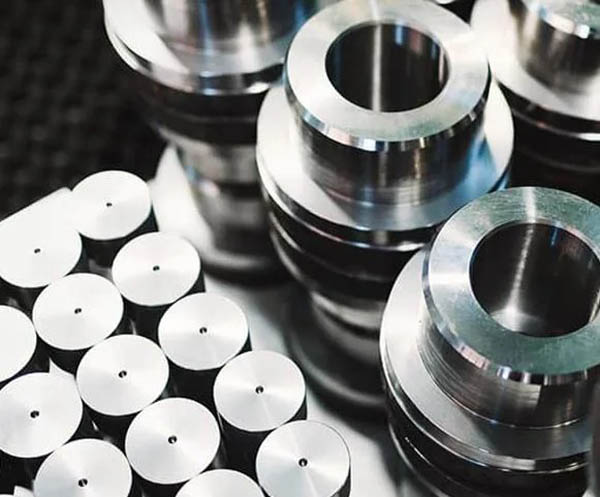
Aluminum naturally forms a thin oxide layer when exposed to air. While this natural oxide provides some protection, it is often too thin to withstand industrial environments such as marine exposure, humidity, or mechanical wear.
Common problems with untreated aluminum:
| Problem | Result |
|---|---|
| Oxidation | Surface discoloration |
| Corrosion | Structural degradation |
| Wear | Reduced component lifespan |
| Poor paint adhesion | Coating failure |
Surface treatments like anodizing or Alodine modify the oxide layer to improve durability and performance.
What Is Anodizing?
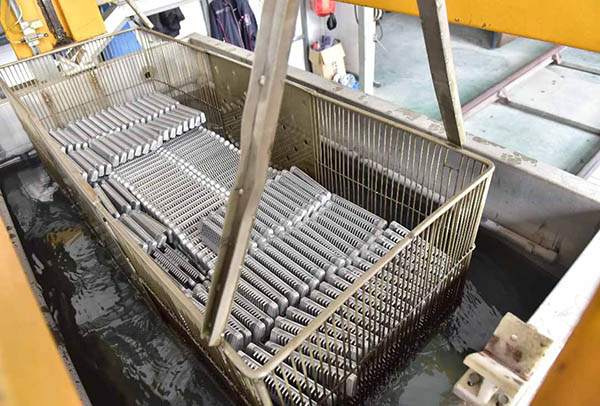
Anodizing is an electrochemical oxidation process that thickens the natural oxide layer on aluminum surfaces. The aluminum component is placed in an electrolytic bath and connected as the anode while electrical current drives oxidation reactions.
Key characteristics of anodizing:
- Produces a thick aluminum oxide layer
- Strong wear resistance
- Improved corrosion protection
- Can be dyed in multiple colors
- Electrically insulating surface
Typical anodized coating thickness:
| Type | Thickness |
|---|---|
| Type I (Chromic) | 0.5–7 µm |
| Type II (Sulfuric) | 5–25 µm |
| Type III (Hard anodize) | 25–100 µm |
Because the oxide layer is hard and porous before sealing, anodizing allows color dyeing and decorative finishes.
What Is Alodine (Chromate Conversion Coating)?
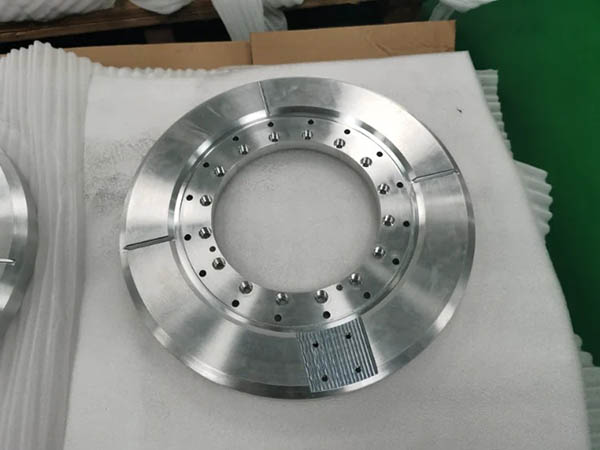
Alodine is a chemical conversion coating that forms a thin protective layer on aluminum through a chemical reaction rather than electrical current.
The process usually involves:
- Cleaning the aluminum surface
- Immersing the part in a chromate solution
- Forming a conversion layer of aluminum chromate
Typical coating thickness:
| Finish | Thickness |
|---|---|
| Alodine coating | 0.25–0.5 µm |
This extremely thin coating does not significantly change dimensions, making it ideal for precision parts.
Process Differences: Electrochemical vs Chemical
The fundamental difference between anodizing and Alodine lies in their processing methods.
| Parameter | Anodizing | Alodine |
|---|---|---|
| Process type | Electrochemical | Chemical reaction |
| Equipment | Power supply, electrolyte tank | Chemical bath |
| Energy requirement | High | Low |
| Process complexity | Moderate to high | Simple |
Because anodizing requires electrical current and controlled parameters, it is generally more complex than Alodine treatment.
Coating Thickness and Dimensional Impact
Precision parts often require tight tolerances. Surface treatments can affect these dimensions.
| Parameter | Anodize | Alodine |
|---|---|---|
| Typical thickness | 5–100 µm | 0.25–0.5 µm |
| Dimensional change | Noticeable | Minimal |
| Tolerance impact | Must be considered in design | Usually negligible |
Alodine is therefore widely used for aerospace components requiring strict dimensional stability.
Corrosion Resistance Comparison
Both finishes protect aluminum from corrosion, but their effectiveness differs.
| Environment | Anodize | Alodine |
|---|---|---|
| Outdoor exposure | Excellent | Moderate |
| Marine environment | Excellent | Limited |
| Indoor electronics | Good | Good |
Anodized coatings provide stronger long-term corrosion protection due to their thicker oxide structure.
Electrical Conductivity Differences
One of the most critical differences between anodize and Alodine is conductivity.
| Property | Anodize | Alodine |
|---|---|---|
| Electrical conductivity | Insulating | Conductive |
| Grounding compatibility | Poor | Excellent |
| EMI shielding | Limited | Good |
Anodized surfaces are electrical insulators, while Alodine coatings preserve conductivity for grounding and shielding applications.
Wear Resistance and Hardness
Wear resistance is essential for mechanical parts such as gears or sliding surfaces.
| Property | Anodize | Alodine |
|---|---|---|
| Surface hardness | High | Low |
| Abrasion resistance | Excellent | Poor |
| Suitable for moving parts | Yes | No |
Hard anodizing can reach hardness values comparable to hardened steel.
Appearance and Aesthetic Options
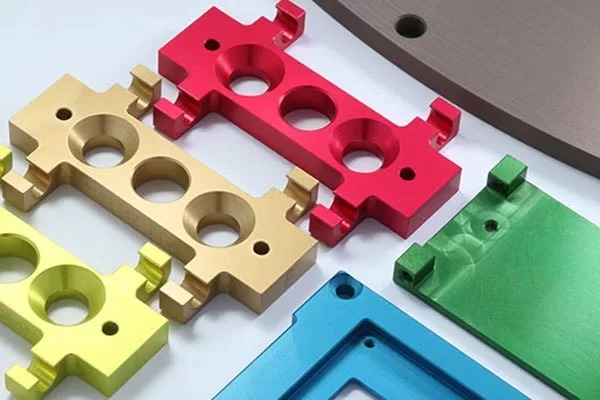
Anodizing offers superior decorative possibilities.
Common anodized colors:
- Black
- Blue
- Red
- Gold
- Clear
Alodine finishes typically appear:
- Yellow
- Iridescent gold
- Transparent
Therefore, consumer electronics almost always use anodized finishes.
Paint and Coating Adhesion
Alodine is widely used as a primer layer for paint.
Advantages of Alodine before painting:
- Improves adhesion
- Prevents corrosion under paint
- Thin coating preserves details
Chromate conversion coatings are frequently used as paint bases in aerospace structures.
Cost and Production Efficiency
From a manufacturing perspective, cost is an important factor.
| Factor | Anodize | Alodine |
|---|---|---|
| Equipment cost | High | Low |
| Processing time | Moderate | Fast |
| Production cost | Higher | Lower |
Alodine is often selected when cost efficiency and fast processing are priorities.
Environmental and Safety Considerations
Some traditional Alodine coatings contain hexavalent chromium, a hazardous material subject to strict environmental regulations.
Modern alternatives include:
- RoHS compliant chromate coatings
- Trivalent chromium conversion coatings
- Zirconium-based conversion coatings
Many industries are transitioning toward environmentally safer conversion coatings.
Typical Industry Applications
Both processes are widely used across manufacturing sectors.
| Industry | Anodize | Alodine |
|---|---|---|
| Aerospace | Structural parts | Fasteners & brackets |
| Electronics | Device housings | EMI shielding surfaces |
| Automotive | Decorative trim | Grounding components |
| CNC machining | Wear surfaces | Precision assemblies |
Example: Aerospace Bracket Surface Treatment
Consider a CNC machined aluminum aircraft bracket.
Design requirements:
- Tight tolerances
- Electrical grounding
- Corrosion resistance
Possible decision:
| Requirement | Best Finish |
|---|---|
| Grounding | Alodine |
| Wear resistance | Anodize |
| Cosmetic finish | Anodize |
In many cases, engineers apply Alodine followed by paint to meet both corrosion and electrical requirements.
Choosing Between Anodize and Alodine
Engineers should evaluate several factors before selecting a finish.
| Design Requirement | Recommended Finish |
|---|---|
| High wear resistance | Anodize |
| Electrical conductivity | Alodine |
| Decorative appearance | Anodize |
| Tight dimensional tolerance | Alodine |
| Low cost | Alodine |
A careful balance between functionality, cost, and aesthetics determines the optimal finish.
Why Xavier CNC Machining Provides Both Anodize and Alodine Solutions
At Xavier CNC Machining, we understand that surface finishing plays a critical role in part performance. Selecting the wrong treatment can compromise corrosion protection, electrical performance, or dimensional accuracy.
Our machining and finishing services include:
- Precision aluminum CNC machining
- Type II and Type III anodizing
- MIL-DTL-5541 compliant Alodine coating
- Surface finishing consultation for engineering teams
Whether your project requires hard anodized wear resistance or conductive Alodine coatings for aerospace electronics, Xavier engineers ensure that every component meets strict quality standards.
If you need high-precision CNC parts with professional anodizing or Alodine finishing, Xavier is ready to support your manufacturing needs.
Some of the images and text in this article are collected and compiled from the internet. If there is anything inappropriate, please contact us for processing.