
Alodine vs Anodize: Complete Comparison for Aluminum Surface Finishing
Aluminum is one of the most widely used materials in CNC machining because it offers excellent strength-to-weight ratio, corrosion resistance, and machinability. However, untreated aluminum can still oxidize or degrade in harsh environments.
To enhance performance and durability, manufacturers often apply surface treatments such as Alodine (chromate conversion coating) and anodizing. Both processes improve corrosion resistance, but they differ significantly in coating thickness, electrical conductivity, durability, cost, and industrial applications.
For engineers and product designers, choosing between Alodine and anodizing can directly impact product reliability, manufacturing cost, and assembly performance.
Below are ten key topics that explain the differences in detail.
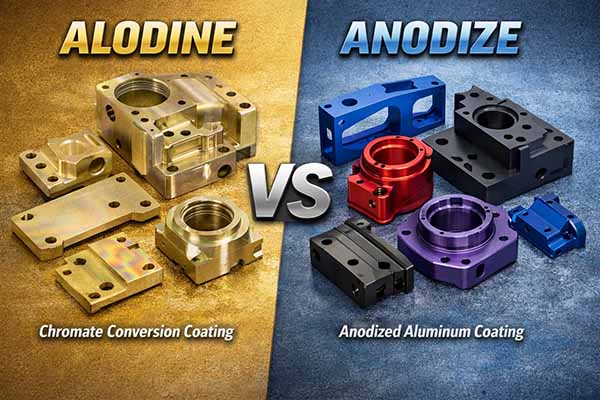
What Is Alodine (Chromate Conversion Coating)?
Alodine—often called chem film or chromate conversion coating—is a chemical surface treatment applied mainly to aluminum and its alloys. The process involves immersing aluminum parts in a chemical solution containing chromate compounds that react with the metal surface and create a thin protective film.
This coating typically measures 0.3–4 µm thick, making it extremely thin compared with other finishing methods.
Key characteristics of Alodine coatings:
| Property | Typical Value |
|---|---|
| Coating thickness | 0.3–4 µm |
| Hardness | <100 HV |
| Electrical conductivity | Maintained |
| Typical color | Yellow, gold, clear |
Because the coating is very thin, Alodine does not significantly change part dimensions, making it ideal for precision components with tight tolerances.
Common uses include:
- aerospace fasteners
- electronic housings
- grounding points
- paint pretreatment surfaces
What Is Anodizing?
Anodizing is an electrochemical process that thickens the natural oxide layer on aluminum by passing electrical current through an electrolyte solution.
During this process, aluminum acts as the anode in an electrolytic bath, causing a controlled oxidation reaction that forms a hard aluminum oxide layer bonded to the substrate.
Typical anodizing properties:
| Property | Typical Value |
|---|---|
| Coating thickness | 5–25 µm (standard) |
| Hard anodizing thickness | up to 150 µm |
| Hardness | 200–500 HV |
| Electrical property | Insulating |
The anodized layer is extremely durable and resistant to wear, corrosion, and abrasion.
Because of these properties, anodizing is widely used for:
- aerospace parts
- consumer electronics housings
- automotive components
- architectural aluminum panels
Key Process Differences Between Alodine and Anodizing
One of the most important distinctions lies in the process itself.
| Feature | Alodine | Anodizing |
|---|---|---|
| Process type | Chemical reaction | Electrochemical |
| Electrical current | Not required | Required |
| Equipment complexity | Simple | More complex |
| Production cost | Lower | Higher |
Alodine coatings are applied by chemical immersion, while anodizing requires electrolytic equipment and power supply, making anodizing generally more expensive and technically demanding.
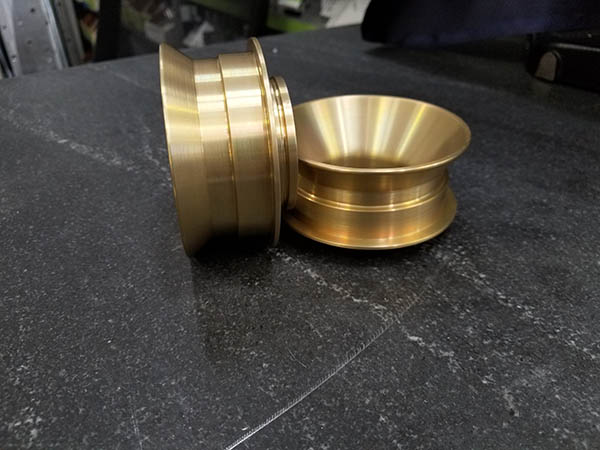
Coating Thickness and Dimensional Impact
The thickness of a surface treatment can significantly affect precision machined parts.
| Coating | Thickness |
|---|---|
| Alodine | 0.1–4 µm |
| Anodizing | 5–30 µm |
| Hard anodizing | up to 150 µm |
Because anodizing forms a much thicker oxide layer, it may slightly alter dimensions and must be considered during part design and machining. alodine vs anodize
In contrast, Alodine coatings are extremely thin and have minimal dimensional impact, making them suitable for:
- threaded holes
- sealing surfaces
- precision mating parts
Corrosion Resistance Comparison
Both finishes improve corrosion resistance, but their effectiveness differs.
| Surface Treatment | Corrosion Resistance |
|---|---|
| Alodine | Moderate |
| Anodizing | High |
| Hard anodizing | Very high |
The thicker oxide layer produced during anodizing acts as a strong barrier against moisture and chemicals, providing long-term corrosion protection even in harsh environments.
Alodine coatings still provide corrosion protection but are typically used as a primer or secondary protective layer rather than a final heavy-duty finish.
Electrical Conductivity Differences
Electrical conductivity is a major factor when choosing between the two finishes.
| Property | Alodine | Anodize |
|---|---|---|
| Electrical conductivity | Maintained | Insulating |
| EMI shielding compatibility | Good | Poor |
| Grounding capability | Excellent | Limited |
Alodine coatings maintain conductivity because the film is extremely thin and chemically bonded to the aluminum surface.
This makes Alodine ideal for:
- electrical grounding surfaces
- EMI shielding housings
- electronic equipment frames
Anodizing, however, creates an insulating oxide layer that blocks electrical current.
Wear Resistance and Durability
In terms of mechanical durability, anodizing clearly outperforms Alodine.
| Property | Alodine | Anodize |
|---|---|---|
| Hardness | <100 HV | 200–500 HV |
| Wear resistance | Low | High |
| Scratch resistance | Low | High |
Hard anodizing coatings can even exceed 1000 HV hardness, making them extremely resistant to abrasion and friction.
For moving mechanical parts, anodizing is typically the preferred choice.
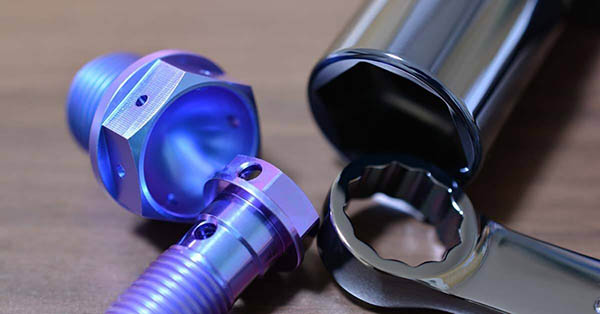
Appearance and Color Options
Another major difference between the two treatments is visual appearance.
| Finish | Appearance |
|---|---|
| Alodine | Yellow, gold, clear |
| Anodize | Black, blue, red, gold, etc. |
Anodized aluminum can be dyed during processing, allowing manufacturers to produce decorative finishes in many colors.
This is why anodizing is widely used in:
- consumer electronics
- bicycles
- camera housings
- industrial equipment panels
Alodine coatings are mainly functional rather than decorative.
Cost and Manufacturing Efficiency
Manufacturing cost can also influence finishing decisions.
| Factor | Alodine | Anodize |
|---|---|---|
| Equipment cost | Low | High |
| Process time | Short | Longer |
| Production cost | Lower | Higher |
Because Alodine does not require electrical current or complex processing equipment, it is generally faster and cheaper to apply.
However, anodizing provides higher durability, which may justify the higher cost for demanding applications.
Typical Industry Applications
Both surface finishes are widely used across industrial sectors.
| Industry | Alodine Use | Anodize Use |
|---|---|---|
| Aerospace | electrical bonding surfaces | structural parts |
| Electronics | grounding housings | consumer device shells |
| Automotive | paint pretreatment | decorative trim |
| CNC machining | conductive parts | wear-resistant components |
In aerospace manufacturing, it is common to apply Alodine as a primer before painting or powder coating, while anodizing is used for exposed structural components.
Engineering Selection Guide: When to Choose Each Finish
Engineers typically choose between Alodine and anodizing based on functional requirements.
Choose Alodine when:
- electrical conductivity is required
- tight tolerances must be maintained
- the part will be painted afterward
- lower manufacturing cost is important
Choose Anodizing when:
- high wear resistance is required
- corrosion protection must be long-lasting
- decorative appearance matters
- insulation properties are acceptable
Understanding these functional differences helps designers select the best finish for their product.
Why Manufacturers Choose Xavier for Precision Aluminum Finishing
At Xavier, we specialize in precision CNC machining and aluminum surface finishing for demanding industrial applications.
Our manufacturing services include:
- CNC milling and turning of aluminum parts
- anodizing and Alodine surface finishing
- precision tolerance control
- prototype and low-volume production
- aerospace and electronics component manufacturing
With advanced machining equipment and experienced engineers, Xavier helps customers achieve high-performance aluminum parts with optimal surface protection, durability, and appearance.
If your project requires professional anodizing or Alodine finishing for CNC machined aluminum parts, Xavier can provide reliable engineering support and high-quality production services. cnc machining services
Some of the images and text in this article are collected and compiled from the internet. If there is anything inappropriate, please contact us for processing.