Sandblasting Grit: Types, Sizes, Surface Profiles, and Industrial Applications
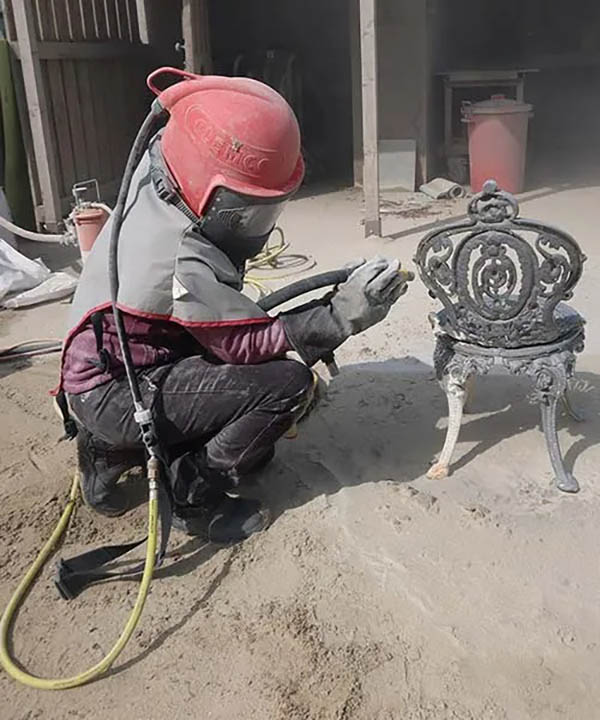
Sandblasting grit is a critical element in abrasive blasting processes used across manufacturing, aerospace, automotive restoration, and CNC machining industries. The grit particles are propelled at high velocity using compressed air or mechanical systems to remove rust, coatings, contaminants, or to create a controlled surface texture.
The type, hardness, shape, and grit size of the abrasive determine how aggressively the material removes surface layers and what final surface finish is produced.
In modern precision manufacturing—especially for CNC machined aluminum, stainless steel, and titanium parts—selecting the correct sandblasting grit directly influences coating adhesion, cosmetic appearance, and corrosion resistance.
Below are 10 essential knowledge topics about sandblasting grit, based on common technical discussions found in leading industry guides.
What Is Sandblasting Grit and How It Works
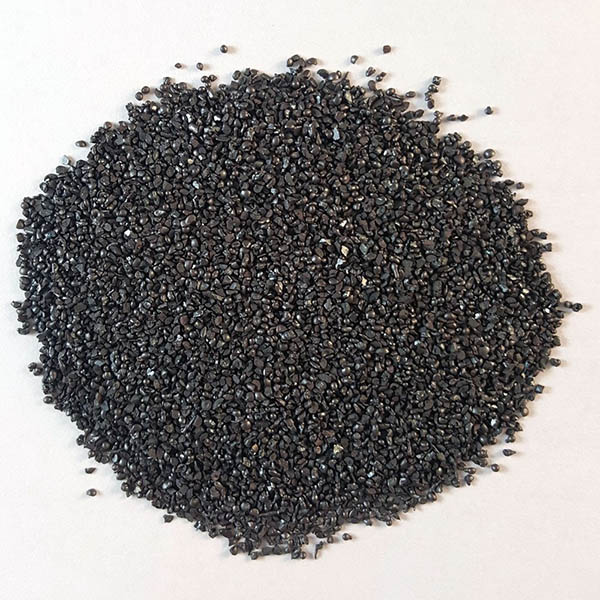
Sandblasting grit refers to the abrasive particles used in abrasive blasting systems to clean, strip, etch, or texture surfaces.
The blasting process works by accelerating abrasive particles toward a workpiece using compressed air or centrifugal force. When the particles strike the surface, they transfer kinetic energy and remove contaminants or alter surface geometry.
Typical industrial uses include:
- Removing paint, rust, or scale from metal
- Preparing steel for powder coating or painting
- Deburring CNC machined components
- Creating matte finishes on aluminum
- Cleaning molds and casting parts
Example in manufacturing:
A CNC-machined aluminum housing may be sandblasted before anodizing. The blasting grit creates a uniform microscopic surface texture, improving coating adhesion and cosmetic consistency.
Sandblasting Grit Size and Mesh Explained
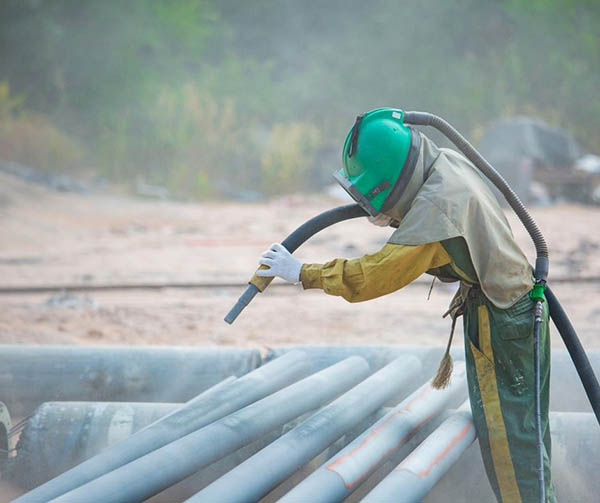
One of the most important parameters in blasting is grit size, which determines the particle diameter and aggressiveness of the abrasive.
Grit sizes are often measured in mesh numbers, which represent the number of openings per inch in a sieve used to classify the particles.
Typical Grit Size Classification
| Grit Range | Particle Size | Surface Result | Typical Use |
|---|---|---|---|
| 12–36 | Coarse | Deep surface profile | Heavy rust removal |
| 40–80 | Medium | Balanced roughness | Paint preparation |
| 100–220 | Fine | Smooth finish | Polishing or finishing |
Coarse grit removes material faster but produces a rougher texture. Fine grit provides smoother surfaces with better control.
Example:
- 36 grit aluminum oxide → aggressive rust removal
- 120 grit glass bead → satin finish on aluminum
Major Types of Sandblasting Grit Materials
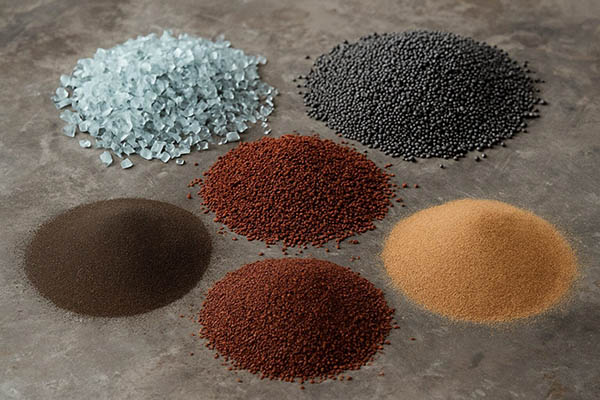
Different abrasive materials provide different hardness levels and blasting behavior.
Common Sandblasting Grit Types
| Abrasive Media | Hardness | Shape | Typical Application |
|---|---|---|---|
| Aluminum Oxide | Mohs 8–9 | Angular | Heavy-duty metal blasting |
| Garnet | Mohs 7–8 | Sub-angular | Surface preparation |
| Glass Beads | Mohs 6 | Spherical | Polishing & satin finish |
| Steel Grit | Very hard | Angular | Industrial steel cleaning |
| Crushed Glass | Medium | Angular | Eco-friendly blasting |
Aluminum oxide is one of the most widely used blasting abrasives due to its durability and strong cutting ability.
In contrast:
- Glass beads polish rather than cut
- Steel grit is used for aggressive industrial blasting
Particle Shape and Its Effect on Surface Finish
Abrasive particles can have different shapes, which strongly affect how they interact with the surface.
Particle Shape Comparison
| Particle Shape | Surface Effect | Typical Media |
|---|---|---|
| Angular | Cuts deeply | Aluminum oxide |
| Sub-angular | Balanced cutting | Garnet |
| Spherical | Polishes | Glass beads |
Angular particles penetrate the surface and remove material quickly, while spherical particles produce smoother finishes with minimal material removal.
Example:
- Angular grit → rough anchor pattern for coatings
- Spherical grit → cosmetic finishing for stainless steel
Surface Profile and Coating Adhesion
One of the most important reasons for sandblasting is creating a surface profile, also called an anchor pattern.
This surface texture consists of microscopic peaks and valleys that increase the bonding area for coatings like paint, powder coating, or anodizing.
Surface Profile Depth Example
| Grit Type | Profile Depth | Typical Coating |
|---|---|---|
| Fine grit | 10–25 μm | Thin coatings |
| Medium grit | 25–75 μm | Paint systems |
| Coarse grit | 75–125 μm | Heavy industrial coatings |
Without proper surface profiling, coatings may peel or fail prematurely.
For example:
- Steel structures for offshore platforms often require 75 μm surface roughness before coating.
Selecting Sandblasting Grit Based on Material
Different substrates require different grit sizes and media hardness.
Recommended Grit Selection
| Material | Recommended Grit | Typical Media |
|---|---|---|
| Steel | 20–80 mesh | Steel grit, aluminum oxide |
| Aluminum | 80–180 mesh | Glass bead, fine aluminum oxide |
| Wood | 60–120 mesh | Walnut shell |
| Concrete | 16–36 mesh | Garnet or slag |
Hard metals tolerate coarse grit, while soft materials require finer abrasives to prevent damage.
Example:
A CNC aluminum enclosure should use fine glass bead blasting to avoid pitting.
Reusable vs Disposable Sandblasting Grit
Blasting abrasives can be categorized into reusable or single-use media.
Comparison
| Type | Examples | Reuse Cycles |
|---|---|---|
| Reusable | Aluminum oxide, steel grit | 10–100 cycles |
| Semi-reusable | Garnet | 3–5 cycles |
| Disposable | Coal slag, soda | Single use |
Reusable abrasives reduce long-term cost but require media recycling systems in blasting equipment.
For example:
Industrial blast cabinets commonly recycle steel grit hundreds of times, significantly lowering operational costs.
Environmental and Safety Considerations
Historically, sandblasting used silica sand, but this is now restricted in many countries due to health risks such as silicosis.
Modern alternatives include:
- Garnet
- Crushed glass
- Aluminum oxide
- Baking soda
Eco-friendly abrasives like crushed glass are made from recycled materials and produce lower dust levels, making them safer for operators.
Industrial facilities also use:
- Dust collectors
- Wet blasting systems
- Respiratory protection
to ensure workplace safety.
Sandblasting Grit in CNC and Precision Manufacturing
In modern manufacturing, sandblasting is often used as a post-processing step for CNC machined parts.
Common examples include:
CNC Surface Finishing Applications
| Industry | Component | Purpose |
|---|---|---|
| Aerospace | Titanium brackets | Surface preparation |
| Electronics | Aluminum housings | Matte finish |
| Automotive | Engine parts | Cleaning & deburring |
| Medical | Surgical tools | Surface sterilization prep |
Fine blasting can remove tool marks while producing a uniform cosmetic finish before anodizing or coating.
Industrial Equipment and Blasting Parameters
The final blasting result depends not only on grit but also on equipment settings.
Typical Blasting Parameters
| Parameter | Typical Range |
|---|---|
| Air pressure | 60–120 PSI |
| Nozzle distance | 6–12 inches |
| Blast angle | 45°–90° |
Higher pressure increases impact energy and removal speed, but excessive pressure may damage delicate materials.
Other critical variables include:
- particle velocity
- blasting angle
- stand-off distance
All of these affect the final surface texture.
Xavier Precision Manufacturing: Professional Surface Finishing Solutions
For industries requiring precision CNC machining and high-quality surface finishing, sandblasting grit selection must be carefully controlled.
Xavier Precision Manufacturing provides advanced surface treatment services including:
- Precision sandblasting for CNC machined parts
- Aluminum and titanium surface finishing
- Preparation for anodizing and powder coating
- Consistent cosmetic finishes for industrial components
Using optimized blasting media, automated blasting equipment, and strict process control, Xavier ensures that every component achieves uniform texture, improved coating adhesion, and superior visual quality.
Whether your project involves aerospace components, electronic housings, or custom CNC prototypes, Xavier can deliver reliable surface finishing solutions that meet demanding industrial standards.
Some of the images and text in this article are collected and compiled from the internet. If there is anything inappropriate, please contact us for processing.