
Medical Device CNC Machining: Precision Manufacturing for Healthcare Innovation
Medical device CNC machining is a highly specialized manufacturing process used to produce precision components for surgical instruments, implants, diagnostic equipment, and medical devices. The medical industry demands extremely high accuracy, traceability, and regulatory compliance, making CNC machining one of the most reliable production methods.
Unlike general industrial machining, medical machining must meet strict standards related to biocompatibility, sterilization resistance, dimensional accuracy, and documentation traceability. Many medical manufacturers operate under ISO 13485 quality management systems, which ensure consistent production of medical-grade components.
CNC machining allows manufacturers to produce complex geometries, tight tolerances, and smooth surface finishes that are essential for safe medical device performance.
What Medical Device CNC Machining Is and Why It Matters
Medical device CNC machining refers to the manufacturing of precision components used in medical equipment using computer-controlled machining technologies such as milling, turning, and Swiss machining.
These processes enable the production of parts with extremely tight tolerances and consistent repeatability.
Typical medical CNC machining workflow:
| Production Stage | Description |
|---|---|
| Design | CAD models and engineering drawings |
| DFM Review | Optimization for manufacturability |
| CAM Programming | Toolpath generation |
| CNC Machining | Milling, turning, or Swiss machining |
| Surface Treatment | Polishing, passivation, anodizing |
| Quality Inspection | CMM measurement and traceability |
CNC machining is widely used because it can produce both prototypes and production components with identical geometry and quality control processes.
Medical manufacturers often use CNC machining for low-volume production runs from 1 to 100,000 pieces depending on the device lifecycle.
ISO 13485 and Regulatory Requirements for Medical CNC Manufacturing
Medical devices are regulated products. Therefore, CNC machining suppliers must comply with strict quality standards.
Key Regulatory Standards
| Standard | Purpose |
|---|---|
| ISO 13485 | Quality management for medical device manufacturing |
| FDA Regulation | Compliance for US medical devices |
| ISO 10993 | Biocompatibility testing |
| CE Marking | European medical device approval |
ISO 13485 ensures that manufacturers maintain strict documentation, traceability, and process validation during production.
For example, suppliers typically provide:
- Material certification
- Inspection reports
- Device history records
- Certificate of conformance
These documents ensure full traceability for every machined component used in a medical device.
Materials Used in Medical Device CNC Machining
Material selection is critical because components must be biocompatible, corrosion resistant, and able to withstand sterilization.
Common Medical CNC Machining Materials
| Material | Key Properties | Typical Medical Applications |
|---|---|---|
| Titanium Ti-6Al-4V | High strength, biocompatible | Bone screws, implants |
| Stainless Steel 316L | Corrosion resistant | Surgical instruments |
| Cobalt Chrome | Wear resistant | Joint implants |
| PEEK | Radiolucent polymer | Spinal implants |
| Aluminum 6061 | Lightweight | Device housings |
For example:
| Material | Tensile Strength (MPa) | Typical Applications |
|---|---|---|
| Titanium Ti-6Al-4V | 950–1100 MPa | Orthopedic implants |
| Stainless Steel 316L | 480–620 MPa | Surgical instruments |
| Aluminum 6061-T6 | 310–345 MPa | Medical equipment housings |
These materials are widely used due to their excellent mechanical performance and compatibility with medical environments.
Precision and Tolerance Requirements in Medical Machining
Medical device components require extremely tight dimensional tolerances.
Typical CNC machining tolerances for medical parts include:
| Precision Level | Tolerance |
|---|---|
| Standard medical machining | ±0.05 mm |
| High precision | ±0.01 mm |
| Micro machining | ±0.005 mm |
In some high-precision applications such as implants or microsurgical instruments, tolerances can reach ±0.002 mm or better depending on the machine and process stability.
Surface roughness requirements are also strict:
| Surface Finish | Typical Value |
|---|---|
| Standard machined | Ra 1.6 µm |
| Precision finish | Ra 0.8 µm |
| Polished medical surfaces | Ra 0.4 µm |
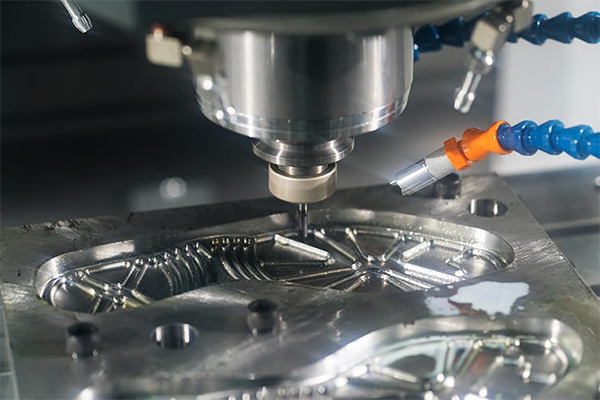
Smooth surfaces reduce bacterial adhesion and improve sterilization effectiveness.
Surface Finish and Sterilization Compatibility
Medical devices must withstand sterilization processes such as:
| Sterilization Method | Temperature |
|---|---|
| Autoclave steam | 121°C |
| Gamma radiation | Low temperature |
| Ethylene oxide | Chemical sterilization |
Certain materials and surface finishes are specifically selected to withstand repeated sterilization cycles.
For example:
- Electropolishing improves corrosion resistance for stainless steel instruments
- Passivation removes free iron from stainless surfaces
- Anodizing protects aluminum housings
These treatments improve durability and patient safety.
CNC Machining Processes Used in Medical Device Manufacturing
Medical components are produced using multiple CNC machining technologies.
Main CNC Processes
| Process | Application |
|---|---|
| CNC Milling | Complex housings and instrument bodies |
| CNC Turning | Cylindrical components |
| Swiss Machining | Micro surgical parts |
| 5-Axis Machining | Complex implant geometry |
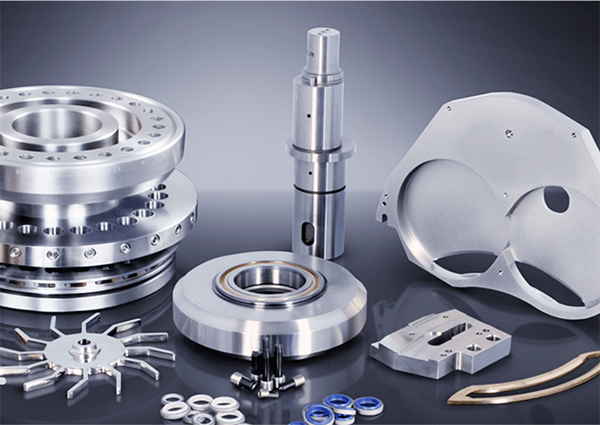
Swiss machining is particularly useful for producing small-diameter components such as bone screws and surgical pins.
5-axis machining allows parts to be produced in a single setup, improving accuracy and reducing production time.
Cost Structure of Medical CNC Machining
Medical machining costs are generally higher than general machining because of strict quality requirements.
Typical CNC Medical Machining Cost Factors
| Cost Factor | Impact |
|---|---|
| Material grade | Titanium and PEEK increase cost |
| Machining complexity | Multi-axis machining increases time |
| Tolerance requirements | Tighter tolerances increase inspection cost |
| Surface finishing | Polishing and coating add cost |
| Certification | Quality documentation increases overhead |
Typical Price Range
| Part Type | Estimated Cost |
|---|---|
| Simple device housings | $80 – $200 |
| Surgical instrument parts | $150 – $500 |
| Implant components | $300 – $1500 |
Prototyping costs are typically higher because setup costs are distributed over fewer parts.
Typical Medical Components Produced by CNC Machining
CNC machining is used to produce a wide range of medical components.
Common CNC Machined Medical Parts
| Device Type | Examples |
|---|---|
| Surgical instruments | Forceps, clamps |
| Orthopedic implants | Bone screws, plates |
| Dental components | Implant abutments |
| Diagnostic equipment | MRI housings |
| Medical robotics | Precision frames |
These parts require extremely consistent quality because they directly affect patient safety.
Design for Manufacturability (DFM) in Medical Devices
Design for Manufacturability is essential for reducing cost and improving reliability.
Key DFM Guidelines
| Design Feature | Recommendation |
|---|---|
| Tight tolerances | Apply only where required |
| Internal corners | Use radii instead of sharp corners |
| Deep cavities | Avoid if possible |
| Thin walls | Maintain minimum thickness |
Early DFM reviews help engineers optimize part geometry before production begins, saving both time and cost.
Why Xavier Is a Reliable Medical Device CNC Machining Partner
For companies developing medical devices, choosing the right CNC machining partner is critical.
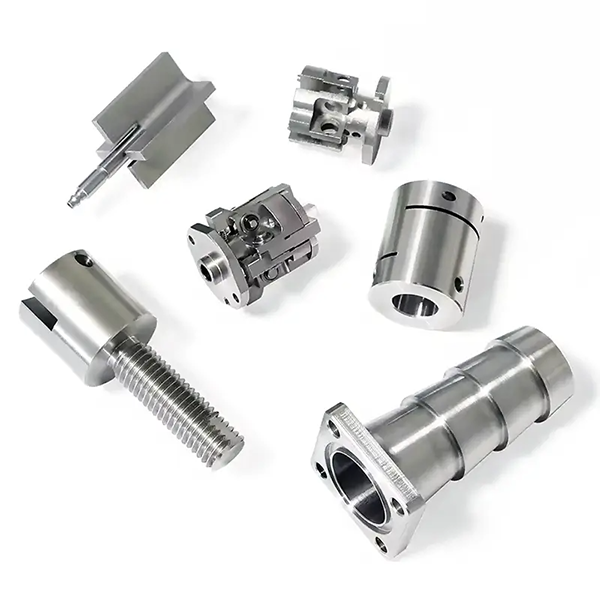
Xavier specializes in precision CNC machining solutions for medical device manufacturers and medical technology companies.
Xavier offers:
- Advanced 3-axis, 4-axis, and 5-axis CNC machining equipment
- High-precision machining with tolerances down to micron levels
- Medical-grade materials such as titanium, stainless steel, and PEEK
- Surface finishing including electropolishing, passivation, and anodizing
- Engineering support and DFM optimization
With experienced machinists and strict quality control systems, Xavier delivers reliable machining services for medical device prototypes and production components.
For companies looking for a professional medical device CNC machining partner, Xavier provides the expertise, precision, and reliability required by the healthcare industry.
Some of the images and text in this article are collected and compiled from the internet. If there is anything inappropriate, please contact us for processing.