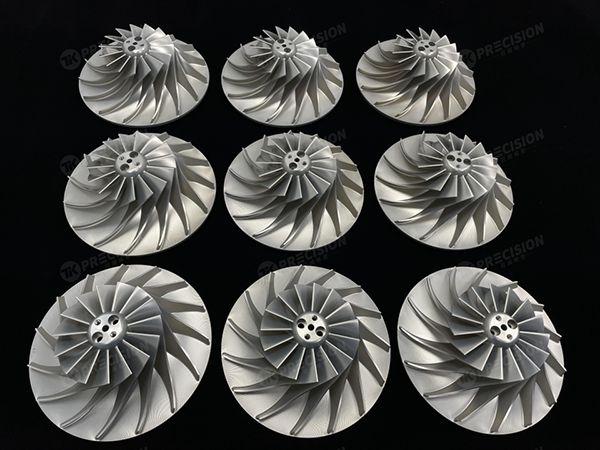
What Precision Aerospace Parts Are and Why They Matter
Precision aerospace parts are critical components manufactured with extremely tight tolerances and defined performance criteria for use in aircraft, spacecraft, defense systems, and high-performance engines. In aerospace applications, even the smallest deviation from design — whether dimensional, geometric, or material-related — can lead to catastrophic failures. This elevates precision from “nice to have” to a safety-critical requirement.
For example, fuel system valves, turbine shafts, actuator housings, and sensor interfaces all operate under high stress, extreme temperatures, or both. They must deliver reliable performance repeatedly over thousands of flight hours without failure.
Industry Standards and Certification Requirements
Unlike general industrial parts, aerospace components must comply with specific quality standards and certifications, such as AS9100, ISO9001, and NADCAP. These standards ensure that manufacturing processes are well-documented, repeatable, and traceable — essential when lives depend on part performance.
Certification Details
| Standard | What It Guarantees |
|---|---|
| AS9100 | Aerospace-specific quality management system |
| ISO9001 | Broad organizational quality control framework |
| NADCAP | Specialty process accreditation (e.g., heat treatment, coatings) |
Meeting these certifications often requires rigorous documentation, traceable material control, non-conformance reporting, and corrective action systems — all audited regularly.
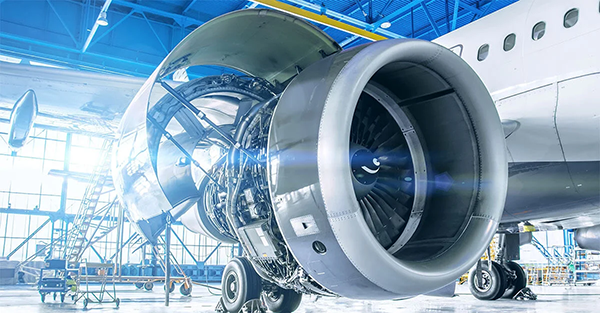
Typical Aerospace Materials and Their Properties
Precision aerospace parts use a variety of metals and advanced materials selected for strength, weight, thermal stability, and corrosion resistance:
| Material | Key Properties | Typical Use |
|---|---|---|
| Aluminum Alloys | Lightweight, good machinability | Airframe brackets, housings |
| Titanium Alloys | High strength/weight ratio, corrosion resistance | Landing gear, engine parts |
| Inconel/Nickel Alloys | Exceptional high-temp strength | Turbine blades, exhaust systems |
| Steel Alloys | Hardened strength | Fasteners, structural links |
Some aerospace parts also include composites (e.g., carbon fiber, fiber-reinforced composites) for specific load-bearing or thermal profiles.
Precision Tolerances and Metrology in Aerospace Manufacturing
Tolerance and measurement precision define aerospace parts. Typical aerospace tolerance ranges reflect the severity of the application:
| Component Type | Typical Tolerance | Critical Feature Example |
|---|---|---|
| Structural Airframe | ±0.001 in (±0.025 mm) | Brackets, mounts |
| Engine & Turbine | ±0.0005–±0.001 in (±0.012–0.025 mm) | Shafts, hubs |
| Avionics Interfaces | ±0.0002–±0.005 mm | Precision enclosures, connectors |
Manufacturers use advanced metrology tools such as Coordinate Measuring Machines (CMMs), laser scanners, profilometers, and XRF analyzers to verify dimensions, geometry, and material consistency.
Manufacturing Processes Used for Precision Aerospace Parts
Aerospace parts production combines multiple manufacturing technologies, including:
- CNC Machining: Multi-axis milling and turning for complex geometries and tight tolerances.
- Swiss Turning: For long, small-diameter precision parts.
- EDM (Electrical Discharge Machining): For intricate shapes and hard alloys.
- Heat Treatment & Surface Hardening: Enhances strength, fatigue life, and wear resistance.
For example, a turbine blade may first be CNC milled for gross shape, EDM cut for cooling channels, and then heat treated to reach the desired microstructure and fatigue resistance.
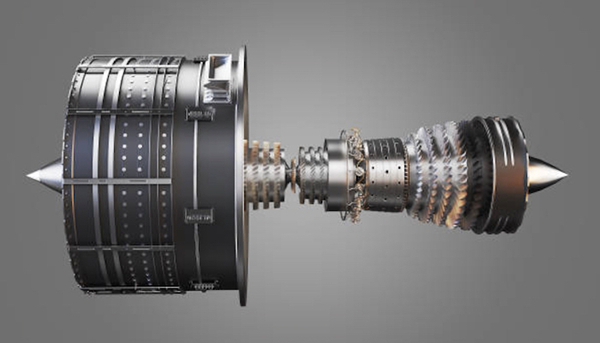
Surface Finishing and Post-Processing for Aerospace Components
Surface finish and post-processing are critical, especially where part interaction, fatigue resistance, and environmental exposure matter. Common finishes include:
| Finish Type | Typical Purpose |
|---|---|
| Anodizing | Corrosion protection, insulating surface |
| Shot Peening | Stress relief and fatigue resistance |
| Polishing | Low friction and high finish |
| Plating or Coating | Wear resistance and thermal control |
These finishes improve durability and often extend part life in aggressive aerospace environments — from engine interiors to hydraulic fittings.
Quality Assurance and Traceability Systems
Aerospace part quality must be verifiable through full traceability, documenting each step from raw material source to final inspection. This includes:
- Material certificates (MTRs)
- In-process inspection logs
- Final inspection reports with metrology data
- Non-conformance and corrective action records
Traceability is not optional — it is a regulatory requirement for airworthiness authorities (FAA, EASA) in most nations.
Design for Manufacturability (DFM) in Aerospace Parts
Design for Manufacturability (DFM) is especially critical in aerospace due to combination of complex geometries, tight tolerances, and high performance requirements. Good DFM practice includes:
- Minimizing sharp corners to reduce stress concentrations
- Reducing unnecessary tight tolerances where not required
- Designing for tool accessibility to avoid complicated and costly setups
- Standardizing hole sizes and thread types to industry norms
Optimized DFM reduces manufacturing time, cost, and risk of rework — a big advantage in high-cost aerospace programs.
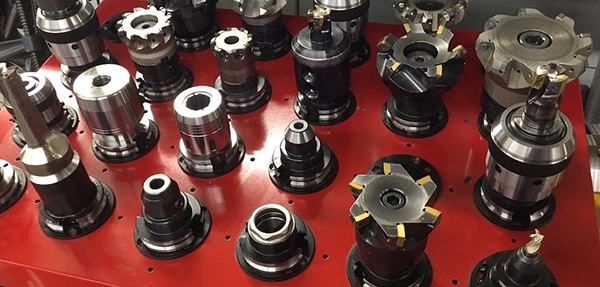
Applications and Examples of Precision Aerospace Components
Precision aerospace parts appear in nearly every major aircraft system:
- Airframe Structural Elements: Ribs, spars, and skin support brackets.
- Flight Control Components: Actuators, bellcranks, and linkage hardware.
- Propulsion Systems: Turbine shafts, impellers, and engine mounts.
- Avionics & Sensors: Mounting plates, housings, and connector interfaces.
- Fluid & Fuel Systems: Valves, manifolds, fittings.
Each category demands distinct manufacturing strategies and inspection protocols.
Cost Factors, Pricing, and Supply Chain Considerations
Precision aerospace parts command premium manufacturing costs due to:
- Tight tolerance machining: High cycle times and advanced tooling.
- Specialized materials: Exotic alloys (titanium, Inconel) can cost 3–10× more than standard steels.
- Documentation and certification: Quality system costs (e.g., AS9100) are ongoing overheads.
- Inspection and traceability: Expand lead times and labor hours.
Pricing varies widely — for example, simple structural brackets may cost tens to hundreds of dollars per piece, whereas engine components or custom assemblies may cost thousands of dollars each depending on complexity, materials, and certification needs. Precision machining, inspection, and finishing operations contribute significantly to total part costs, but must be maintained for airworthiness.
Xavier — Trusted Provider of Precision Aerospace Parts
When aerospace program success and safety are non-negotiable, Xavier stands as a premier partner for precision aerospace parts manufacturing. With robust AS9100-aligned quality systems, advanced CNC and multi-axis machining capabilities, comprehensive metrology and inspection tools, and full traceability documentation, Xavier delivers components engineered for aerospace performance and reliability. Whether you need structural airframe parts, propulsion system components, avionics housings, or fluid system fittings, Xavier’s expertise ensures accuracy, compliance, and consistency across all production phases — from rapid prototyping to full production deployment.
Partnering with Xavier means confidence in part quality, process traceability, and delivery assurance — essential factors in aerospace and defense supply chains where failure is not an option.
Some of the images and text in this article are collected and compiled from the internet. If there is anything inappropriate, please contact us for processing.