Urethane: Complete Engineering Guide for Industrial Applications
What Is Urethane
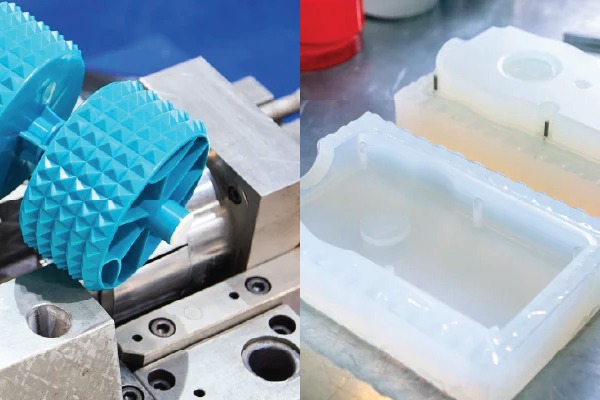
Urethane is a class of synthetic polymer materials characterized by urethane (carbamate) chemical linkages in their molecular structure. These polymers are commonly known as polyurethanes (PU) and are produced through the reaction between polyols and isocyanates during polymerization.
Because this chemistry can be modified in many ways, urethane can be manufactured in different forms including:
| Form | Typical Use |
|---|---|
| Flexible foam | mattresses, automotive seats |
| Rigid foam | insulation panels |
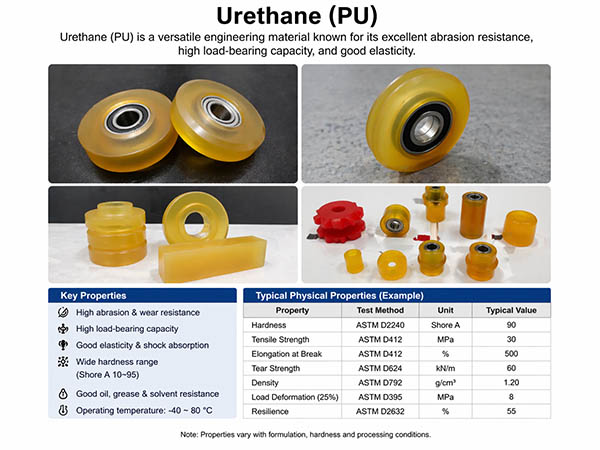
| Elastomers | industrial wheels, rollers |
| Coatings | protective surfaces |
| Adhesives | structural bonding |
This adaptability makes urethane one of the most versatile engineering polymers used in modern manufacturing.
Chemical Structure and Polymerization Process
The fundamental chemistry behind urethane materials is the reaction between diisocyanates and polyols, which produces polymer chains containing urethane groups.
Basic reaction:
Polyol + Isocyanate → Polyurethane Polymer
This structure contains two key segments:
| Segment Type | Function |
|---|---|
| Soft segments | provide flexibility |
| Hard segments | provide strength |
The microphase separation between these segments gives polyurethane materials their unique combination of elasticity and strength, enabling engineers to tailor properties for different applications.
Types of Urethane Materials
Urethane polymers can be categorized into several industrial types:
| Type | Description | Example Applications |
|---|---|---|
| Flexible polyurethane | soft, elastic materials | cushions, seating |
| Rigid polyurethane | stiff structural foam | insulation |
| Thermoplastic polyurethane (TPU) | melt-processable elastomer | phone cases |
| Cast urethane elastomers | high wear resistance | wheels, rollers |
| Polyurethane coatings | protective layers | wood or metal finishes |
Each type serves a different mechanical or thermal requirement across industries.
Key Mechanical Properties of Urethane
Urethane materials are valued because they combine the advantages of rubber-like elasticity with plastic-like strength.
Common mechanical properties include:
| Property | Typical Range |
|---|---|
| Tensile strength | 20–55 MPa |
| Elongation at break | 200–600% |
| Compression set | low |
| Impact resistance | very high |
These properties allow urethane components to perform well in high-load, high-impact environments.
Hardness Range and Durometer Scale
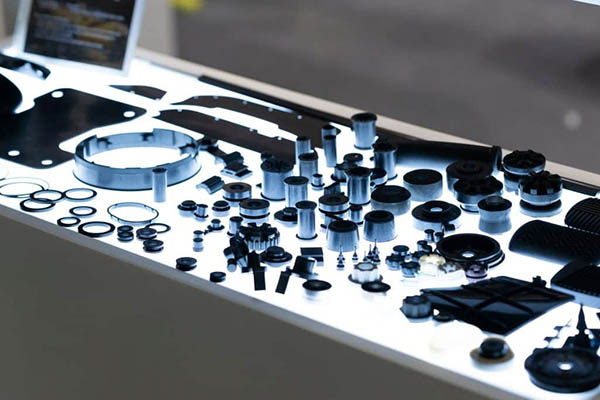
One unique advantage of urethane materials is their extremely wide hardness range.
Polyurethanes can be formulated from very soft elastomers to rigid plastics.
| Hardness Scale | Range |
|---|---|
| Shore A | 20 – 95 |
| Shore D | 40 – 75 |
This allows engineers to create materials that behave like:
- soft rubber
- flexible elastomer
- rigid engineering plastic
Urethane can span both rubber and plastic hardness ranges, making it highly customizable for industrial components.
Abrasion Resistance and Wear Performance
One of urethane’s most important advantages is its exceptional abrasion resistance.
Compared with rubber:
| Material | Abrasion Resistance |
|---|---|
| Natural rubber | medium |
| Nylon | high |
| Urethane | extremely high |
Urethane elastomers are widely used in:
- conveyor rollers
- mining equipment liners
- heavy-duty wheels
This durability dramatically increases component lifespan in high-wear environments.
Thermal Resistance and Operating Temperature
Urethane materials can tolerate a wide range of temperatures depending on formulation.
| Property | Typical Range |
|---|---|
| Operating temperature | -40°C to 90°C |
| Short-term peak | ~120°C |
For high-temperature applications, special formulations such as TPU or reinforced polyurethane may be used.
However, engineers should remember that elastomeric materials gradually lose mechanical strength as temperature increases.
Chemical and Environmental Resistance
Urethane materials offer strong resistance to:
- oils
- solvents
- water
- ozone
- UV exposure
This chemical stability allows urethane coatings and elastomers to be used in harsh industrial environments, including marine and outdoor applications.
Urethane vs Rubber vs Plastic
Many engineers compare urethane with traditional materials.
| Property | Urethane | Rubber | Plastic |
|---|---|---|---|
| Abrasion resistance | Excellent | Moderate | Good |
| Elasticity | High | High | Low |
| Load capacity | High | Low | High |
| Wear life | Very long | Medium | Medium |
Because urethane combines the advantages of both rubber and plastic, it is often used as a replacement material in heavy-duty applications.
Manufacturing Methods of Urethane Parts
Several manufacturing techniques are used to produce urethane components:
| Process | Description |
|---|---|
| Reaction injection molding (RIM) | large parts |
| Cast urethane molding | elastomer components |
| Thermoplastic extrusion | TPU products |
| Compression molding | seals and gaskets |
Each method provides different cost and performance advantages depending on production volume.
CNC Machining and Cast Urethane Components
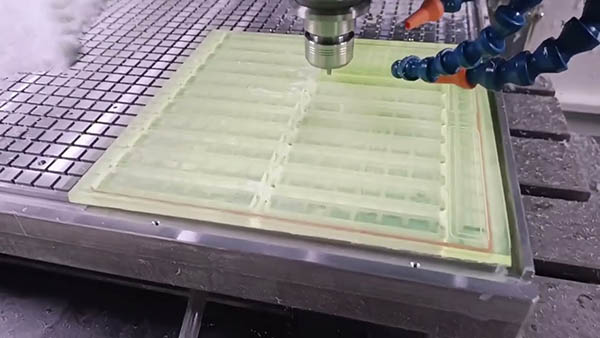
Although urethane is often molded, it can also be CNC machined.
Typical CNC urethane parts include:
- bushings
- rollers
- protective pads
- industrial dampers
Advantages of machining urethane include:
- rapid prototyping
- tight tolerances
- custom geometries
However, due to the material’s elasticity, special tooling strategies are often required to prevent deformation during cutting.
Industrial Applications of Urethane Materials
Urethane materials are widely used in many industries.
| Industry | Application |
|---|---|
| Mining | liners, conveyor wheels |
| Manufacturing | vibration dampers |
| Electronics | protective coatings |
| Construction | insulation panels |
Their strength-to-weight ratio and durability make them a preferred engineering material in demanding environments.
Automotive Industry Applications
Automotive manufacturers extensively use urethane materials.
Typical automotive components include:
- suspension bushings
- engine mounts
- interior foam seats
- vibration isolation parts
These materials reduce noise, absorb vibration, and improve vehicle durability while lowering weight.
Design Considerations When Using Urethane
When engineers design urethane parts, several factors must be considered:
| Design Factor | Engineering Recommendation |
|---|---|
| hardness | choose appropriate Shore value |
| temperature | verify operating limits |
| load conditions | consider creep resistance |
| environment | check chemical exposure |
Proper material selection can significantly extend the lifespan of industrial components.
Future Trends of Urethane Materials
The urethane industry continues to evolve with innovations such as:
- bio-based polyurethane
- recyclable TPU materials
- high-temperature formulations
- additive manufacturing compatible PU
These developments are expanding urethane’s role in sustainable engineering and advanced manufacturing.
Why Xavier Is a Reliable Partner for Urethane CNC Components
At Xavier, we specialize in manufacturing precision components using advanced materials such as polyurethane and engineering plastics.
Our capabilities include:
- precision 3/4/5-axis CNC machining
- cast urethane part manufacturing
- custom prototypes and small-batch production
- high-durability industrial components
By combining material expertise, engineering design support, and precision machining, Xavier helps clients develop reliable urethane parts for industries ranging from automotive and robotics to industrial automation.
If your project requires custom urethane components or precision CNC machining, Xavier can deliver durable solutions tailored to your performance requirements.
Some of the images and text in this article are collected and compiled from the internet. If there is anything inappropriate, please contact us for processing.