What Is Alu Cast Metal (Cast Aluminum)
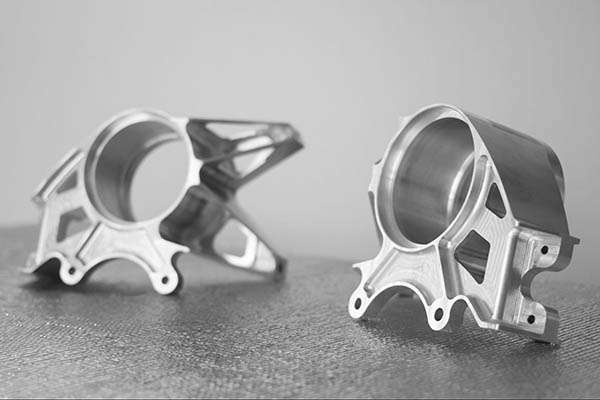
Alu cast metal refers to components produced by pouring molten aluminum or aluminum alloy into a mold cavity, where it solidifies into the desired geometry. This manufacturing technique is one of the most widely used metal forming processes because it allows complex shapes to be produced efficiently.
Unlike machining from billet, casting transforms liquid metal directly into near-net shape parts, reducing both raw material waste and machining time. This is especially beneficial for industries requiring lightweight structural components such as automotive housings, aerospace brackets, and electronic enclosures.
Typical melting temperatures for aluminum casting range from 660 °C to about 750 °C, depending on alloy composition. Once molten, the metal flows into molds and solidifies while forming the microstructure that determines mechanical performance.
Chemical Composition and Common Aluminum Casting Alloys
Most cast aluminum parts are produced from aluminum-silicon (Al-Si) based alloys, which offer excellent fluidity and casting characteristics.
Common industrial casting alloys include:
| Alloy | Key Elements | Typical Strength | Main Application |
|---|---|---|---|
| A356 | Al-Si-Mg | ~250–300 MPa (T6) | Automotive wheels |
| A380 | Al-Si-Cu | ~320 MPa | Die-cast housings |
| ADC12 | Al-Si-Cu | ~300 MPa | Electronics enclosures |
| 319 | Al-Si-Cu | ~200 MPa | Engine blocks |
Silicon improves fluidity and reduces shrinkage, making molds easier to fill, while magnesium enables heat treatment to increase strength.
For example:
A356-T6 aluminum casting is widely used for automotive suspension parts, because the heat treatment significantly improves tensile strength while maintaining low density.
Physical and Mechanical Properties of Cast Aluminum
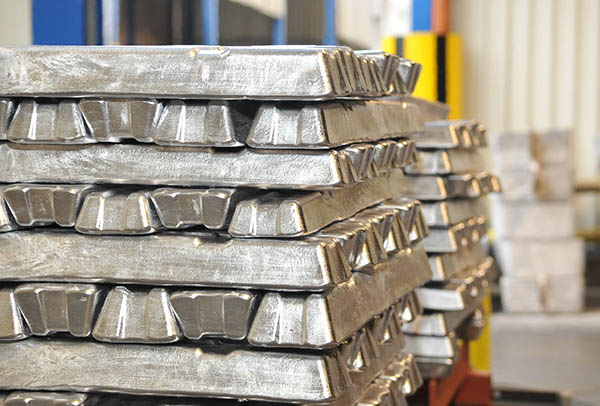
Cast aluminum alloys provide a balanced combination of mechanical properties suitable for structural and thermal applications.
Typical property ranges:
| Property | Typical Range |
|---|---|
| Density | ~2.7 g/cm³ |
| Tensile Strength | 70–350 MPa |
| Elongation | 1–12% |
| Hardness | 30–120 HB |
Because of alloy design and heat treatment, cast aluminum components can achieve excellent strength while remaining lightweight, making them ideal for mechanical assemblies.
However, microstructural factors such as porosity or gas inclusions may reduce mechanical performance if casting parameters are poorly controlled.
Therefore, modern foundries rely on degassing, vacuum casting, and controlled cooling to maintain material integrity.
Strength-to-Weight Ratio Compared with Steel and Iron
One of the biggest advantages of alu cast metal is its high strength-to-weight ratio.
| Material | Density | Strength Range |
|---|---|---|
| Cast Aluminum | ~2.7 g/cm³ | 150–350 MPa |
| Cast Iron | ~7.2 g/cm³ | 200–400 MPa |
| Carbon Steel | ~7.8 g/cm³ | 250–500 MPa |
Although steel can achieve higher absolute strength, aluminum offers similar structural performance at about one-third of the weight.
Example:
An automotive gearbox housing originally made from cast iron weighing 12 kg can often be replaced with an aluminum casting weighing 5–6 kg, significantly improving vehicle fuel efficiency.
Main Aluminum Casting Processes
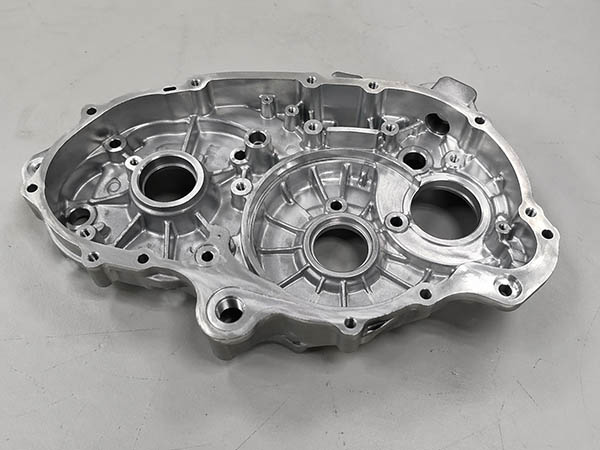
Different casting technologies are used depending on volume, complexity, and cost.
Die Casting
Molten aluminum is injected into steel molds under high pressure.
Characteristics:
- Excellent surface finish
- Thin wall capability (≈0.5 mm)
- High production rate
Die casting is widely used for electronic housings, motor covers, and automotive components.
Sand Casting
Sand molds are used to create parts.
Advantages:
- Low tooling cost
- Suitable for large parts
- Flexible design
This method is commonly used for pump housings, engine blocks, and large industrial parts.
Permanent Mold Casting
Reusable metal molds provide improved strength and surface finish compared to sand casting.
Typical use cases include automotive pistons and wheels.
Design Flexibility and Near-Net Shape Manufacturing
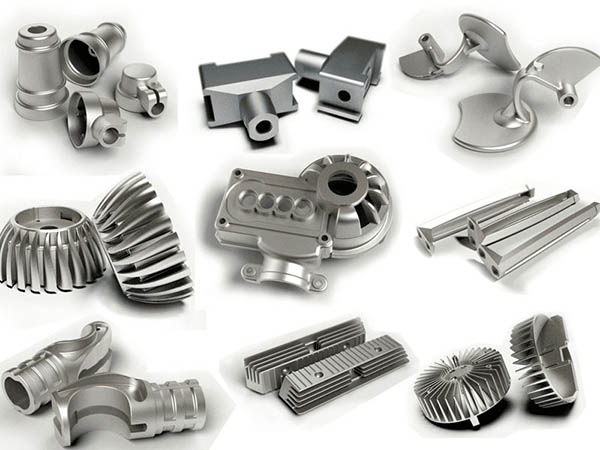
Casting allows engineers to design complex geometries that would be difficult or expensive to machine.
Key advantages include:
- Integrated ribs and bosses
- Internal channels
- Thin wall structures
- Complex curves
Because molten aluminum fills the mold cavity completely, manufacturers can produce parts very close to final shape, reducing machining operations.
Example:
A complex pump housing that might require 8–10 CNC setups from billet can be cast with most features already formed.
Dimensional Accuracy and Tolerance
High-pressure die casting can achieve impressive dimensional precision.
Typical tolerances:
| Process | Dimensional Accuracy |
|---|---|
| Die Casting | ±0.05–0.1 mm |
| Permanent Mold | ±0.2 mm |
| Sand Casting | ±0.5 mm |
Surface finish for die-cast parts can reach Ra 1.6–3.2 µm, reducing the need for secondary finishing operations.
These advantages are especially valuable for electronic components and precision mechanical assemblies.
Thermal Conductivity and Heat Dissipation
Aluminum has excellent thermal conductivity, typically around:
150–200 W/m·K
This property makes cast aluminum ideal for:
- Heat sinks
- LED lighting housings
- Electric vehicle battery casings
- Motor housings
Because aluminum dissipates heat efficiently, it helps reduce overheating in electronic systems and engines.
Corrosion Resistance and Surface Protection
Aluminum naturally forms a thin oxide layer that protects it from corrosion and oxidation.
This characteristic makes cast aluminum suitable for:
- Marine components
- Outdoor structures
- Automotive parts
- Industrial machinery
Additional finishing processes improve durability:
| Surface Treatment | Benefit |
|---|---|
| Anodizing | Corrosion resistance |
| Powder coating | Decorative + protection |
| Alodine | Conductive corrosion protection |
| Painting | Aesthetic and barrier protection |
Manufacturing Efficiency and Production Cost
One reason aluminum casting dominates industrial production is its high manufacturing efficiency.
Advantages include:
- High production speed
- Reduced machining
- Minimal material waste
- Reusable molds
High-pressure die casting machines can produce hundreds to thousands of parts per shift, dramatically lowering unit cost in mass production.
For example:
A die casting mold might last 100,000+ production cycles, making it highly economical for large production runs.
Casting Defects and Quality Control
Despite its advantages, casting processes can introduce defects if not properly controlled.
Common defects include:
| Defect | Cause | Prevention |
|---|---|---|
| Porosity | Gas trapped in metal | Degassing |
| Shrinkage cavities | Improper cooling | Risers and feeding |
| Cold shuts | Low pouring temperature | Proper mold filling |
| Hot cracking | Thermal stress | Controlled cooling |
Modern foundries use X-ray inspection, vacuum casting, and simulation software to reduce defect rates.
Industrial Applications of Cast Aluminum
Cast aluminum parts are used across numerous industries.
Typical examples include:
| Industry | Example Components |
|---|---|
| Automotive | Engine blocks, gearbox housings |
| Aerospace | Structural brackets |
| Electronics | Heat sinks, enclosures |
| Machinery | Pump housings |
| Energy | EV battery cases |
Automotive manufacturing alone accounts for a significant share of global aluminum casting demand.
Sustainability and Recyclability
Aluminum is one of the most recyclable industrial metals.
Key sustainability facts:
- Aluminum can be recycled indefinitely without losing properties
- Recycling consumes ~95% less energy than primary aluminum production
- Many aluminum castings use recycled scrap metal
This makes alu cast metal highly attractive for companies focusing on green manufacturing.
CNC Machining After Aluminum Casting
Although casting produces near-net shapes, CNC machining is often used for:
- Precision holes
- Threading
- Tight tolerance surfaces
- Functional interfaces
Typical CNC processes include:
- CNC milling
- CNC drilling
- tapping
- precision boring
Combining casting + CNC machining is often the most cost-effective manufacturing strategy.
Design for Manufacturing (DFM) Guidelines for Cast Aluminum Parts
Good casting design reduces defects and manufacturing cost.
Key design rules include:
- Maintain uniform wall thickness
- Avoid sharp corners
- Use generous fillets
- Design proper draft angles
- Optimize gate and runner systems
For example:
A wall thickness of 2.5–4 mm is commonly recommended for aluminum die casting to ensure good filling and structural integrity.
Conclusion: Why Choose Xavier for Alu Cast Metal Manufacturing
Alu cast metal plays a critical role in modern manufacturing due to its lightweight properties, high strength-to-weight ratio, corrosion resistance, and design flexibility. Whether used in automotive components, electronics housings, or industrial machinery, aluminum castings provide an efficient solution for producing complex parts at scale.
At Xavier, we combine advanced aluminum casting technology with precision CNC machining to deliver high-quality custom metal components. Our engineering team supports clients from design optimization and mold development to finishing and inspection, ensuring that each aluminum casting meets strict performance and dimensional standards.
If you are looking for reliable aluminum casting and CNC machining services, Xavier offers a one-stop manufacturing solution to help transform your designs into durable, high-performance parts.
Some of the images and text in this article are collected and compiled from the internet. If there is anything inappropriate, please contact us for processing.