
Plating Kit: The Complete Guide to Electroplating Kits, Components, Applications, and Best Practices
Electroplating has become one of the most widely used surface finishing technologies in manufacturing, automotive restoration, jewelry production, electronics, aerospace, and CNC machining. Whether the goal is corrosion resistance, improved wear performance, enhanced conductivity, or decorative appearance, a plating kit provides an accessible way to perform electroplating on a small or medium scale.
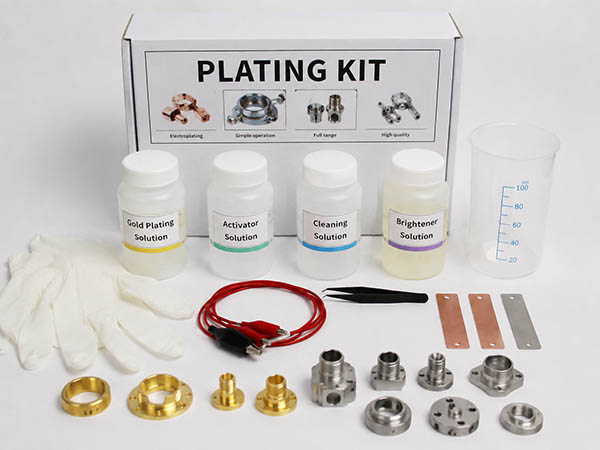
Modern plating kits are based on the same electrochemical principles used in industrial plating lines. A typical kit includes a power supply, electrolyte solution, anodes, cleaning chemicals, and accessories necessary to deposit a thin metal coating onto a substrate. The quality of the final coating depends heavily on proper surface preparation, current density control, electrolyte chemistry, and process management.
What Is a Plating Kit?
A plating kit is a complete electroplating system designed to apply a metal coating onto another metal surface using electrical current.
The basic electroplating process involves:
| Component | Function |
|---|---|
| Power Supply (Rectifier) | Provides DC current |
| Electrolyte | Contains metal ions |
| Anode | Supplies plating metal |
| Cathode | Workpiece being plated |
| Tank | Holds plating solution |
| Wires & Clips | Complete electrical circuit |
During operation, metal ions move through the electrolyte and deposit onto the workpiece surface, creating a controlled metallic coating.
Common metals used in plating kits include:
- Nickel
- Copper
- Zinc
- Silver
- Gold
- Tin
Main Components Found in Professional Plating Kits
Not all plating kits are created equal. High-quality systems generally include more precise control equipment and better chemicals.
Power Supply (Rectifier)
The power supply is arguably the most important component.
Professional systems use adjustable DC rectifiers capable of controlling:
- Voltage
- Current
- Current density
Typical operating voltages:
| Plating Metal | Voltage Range |
|---|---|
| Copper | 1-3V |
| Nickel | 2-6V |
| Zinc | 1-4V |
| Gold | 2-5V |
Poor power regulation often causes:
- Burned deposits
- Uneven thickness
- Rough surfaces
- Poor adhesion
Industry experts consistently identify the power supply as the biggest factor separating professional kits from low-cost hobby kits.
Electrolyte Solution
The electrolyte contains dissolved metal ions that become deposited onto the part.
Examples:
| Electrolyte | Deposited Metal |
|---|---|
| Copper Sulfate | Copper |
| Nickel Sulfate | Nickel |
| Zinc Chloride | Zinc |
| Silver Cyanide Alternatives | Silver |
| Gold Electrolyte | Gold |
Electrolyte chemistry directly affects:
- Brightness
- Corrosion resistance
- Thickness uniformity
- Deposit hardness
Improper electrolyte concentration is a common cause of plating defects.
Understanding Anodes and Their Role
Anodes are often overlooked by beginners.
An anode serves two functions:
- Completes the electrical circuit.
- Replenishes metal ions within the electrolyte.
Common pairings include:
| Plating Type | Anode Material |
|---|---|
| Copper Plating | Copper |
| Nickel Plating | Nickel |
| Zinc Plating | Zinc |
| Precious Metals | Platinum or Inert Anodes |
Higher-purity anodes generally produce more consistent results and longer electrolyte life.
Example
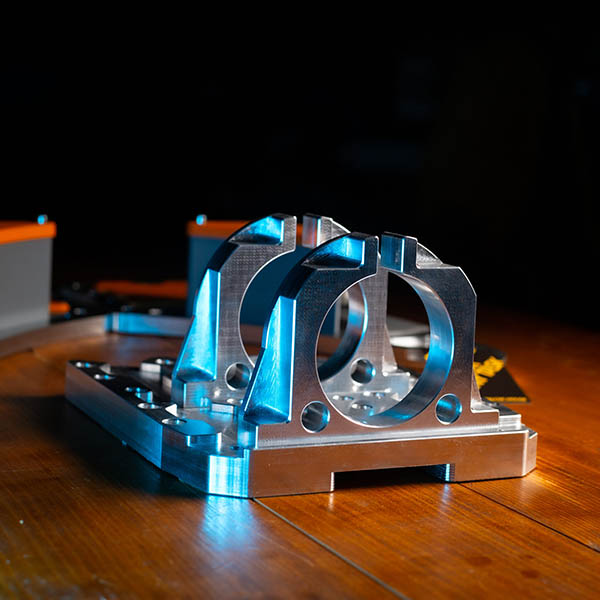
When plating a CNC-machined steel bracket with nickel:
- Nickel anode = positive terminal
- Steel bracket = negative terminal
- Nickel ions migrate from anode to cathode
This creates a corrosion-resistant nickel coating.
Surface Preparation: The Most Critical Step
Ask experienced platers why a coating failed, and most will point to surface preparation rather than chemistry.
Surface contamination can prevent metal deposition entirely.
Recommended Preparation Sequence
Degreasing
Remove:
- Cutting oil
- Fingerprints
- Lubricants
- Shop contaminants
Methods:
- Alkaline cleaners
- Solvent cleaners
- Ultrasonic cleaning
Mechanical Finishing
Electroplating does not hide defects.
A scratch in the substrate remains visible after plating.
Typical preparation:
- Sanding
- Buffing
- Polishing
Activation
Acid activation removes oxides.
Common acids:
- Sulfuric acid
- Hydrochloric acid
- Proprietary activators
Proper activation significantly improves coating adhesion.
Most Popular Types of Plating Kits
Copper Plating Kits
Copper is often the first step in multi-layer plating systems.
Advantages:
- Excellent conductivity
- Easy to plate
- Low cost
- Good leveling characteristics
Applications:
- Electronics
- Decorative parts
- 3D printed objects
- Jewelry
Copper plating is widely regarded as the most beginner-friendly plating process.
Nickel Plating Kits
Nickel plating is one of the most common industrial coatings.
Benefits:
| Property | Improvement |
|---|---|
| Corrosion Resistance | High |
| Wear Resistance | High |
| Appearance | Bright Silver |
| Hardness | Excellent |
Applications:
- Automotive components
- CNC machined parts
- Hand tools
- Hardware
Nickel plating remains one of the best choices for functional metal components.
Zinc Plating Kits
Zinc plating provides sacrificial corrosion protection.
Common applications:
- Fasteners
- Bolts
- Brackets
- Steel hardware
Example:
A zinc-coated steel bolt may survive several times longer in outdoor environments than an uncoated steel bolt.
Industrial zinc systems are commonly used in automotive manufacturing and heavy equipment industries.
Gold and Silver Plating Kits
These kits are often used for:
- Jewelry
- Luxury accessories
- Electrical contacts
- Decorative restoration
Advantages:
- Excellent conductivity
- Attractive appearance
- Corrosion resistance
Because precious metal electrolytes are expensive, process control becomes increasingly important.
Current Density: The Secret to Uniform Coatings
Current density refers to the amount of current applied per unit surface area.
Formula:
Current Density = Current ÷ Surface Area
Example:
| Part Surface Area | Current |
|---|---|
| 10 in² | 1 Amp |
| 20 in² | 2 Amps |
Improper current density can cause:
- Burning
- Dull finishes
- Rough deposits
- Poor coverage
Many professional operators calculate current density before every plating run.
Common Plating Defects and Solutions
Rough Deposits
Possible causes:
- Contaminated electrolyte
- Excessive current
- Dirty substrate
Solution:
- Filter electrolyte
- Lower current density
- Improve cleaning
Peeling Coating
Possible causes:
- Poor surface preparation
- Inadequate activation
Solution:
- Thorough degreasing
- Acid activation before plating
Dark or Burned Areas
Possible causes:
- Excessive amperage
- Poor anode placement
Solution:
- Reduce current
- Improve anode-to-part spacing
Many troubleshooting discussions within plating communities point to current control and bath chemistry as the most common causes of plating failure.
Safety Considerations When Using a Plating Kit
Electroplating involves chemicals and electricity.
Minimum PPE should include:
| Safety Equipment | Purpose |
|---|---|
| Gloves | Chemical protection |
| Goggles | Eye protection |
| Respirator | Fume protection |
| Apron | Chemical resistance |
Additional recommendations:
- Use adequate ventilation.
- Store chemicals properly.
- Read SDS documentation.
- Never mix chemicals without understanding reactions.
Safety should always be considered the highest priority during plating operations.
Applications of Plating Kits in CNC Manufacturing
For CNC machining companies, plating adds significant value to machined components.
Examples:
| CNC Part | Recommended Coating |
|---|---|
| Steel Shaft | Nickel |
| Fastener | Zinc |
| Copper Busbar | Silver |
| Decorative Housing | Gold |
Benefits include:
- Increased corrosion resistance
- Improved wear resistance
- Better appearance
- Enhanced conductivity
- Extended service life
Many CNC manufacturers offer plating as a secondary operation to provide complete finished parts rather than unfinished machined components.
DIY Plating Kits vs Industrial Plating Systems
| Feature | DIY Kit | Industrial Line |
|---|---|---|
| Tank Size | Small | Large |
| Throughput | Low | High |
| Automation | Manual | Automated |
| Cost | Low | High |
| Precision | Moderate | Excellent |
For prototyping, restoration, and low-volume production, plating kits offer an excellent balance between affordability and performance.
Industrial production, however, generally requires automated plating lines with filtration, agitation, heating, and process monitoring systems.
Future Trends in Electroplating Kits
The latest generation of plating systems increasingly incorporates:
- Digital power supplies
- Automatic current control
- Electrolyte monitoring
- Improved filtration
- Environmentally friendlier chemistries
Users are demanding industrial-level consistency in compact workshop-sized systems, pushing manufacturers to develop smarter and more user-friendly plating kits.
Why Quality Matters When Choosing a Plating Kit
A low-cost plating kit may seem attractive initially, but inconsistent current output, poor-quality anodes, and weak process guidance often result in:
- Wasted chemicals
- Rework
- Poor coating quality
- Higher long-term costs
Investing in a quality plating system improves:
- Process repeatability
- Coating thickness control
- Surface appearance
- Production efficiency
Professional results depend on professional equipment.
Xavier CNC Manufacturing: Beyond Machining to Complete Surface Finishing
At Xavier, we understand that a precision-machined component is only part of the finished product. Surface finishing often determines corrosion resistance, durability, appearance, and long-term performance.
As a professional CNC machining and manufacturing company, Xavier provides comprehensive machining solutions for metal components, including support for secondary finishing processes such as plating, anodizing, passivation, electroless nickel plating, and other engineered surface treatments. Whether you require prototype quantities or full production runs, our engineering team helps customers select the most suitable finishing process based on material type, environmental exposure, wear requirements, and cost objectives.
If your project requires precision CNC machining combined with professional surface treatment solutions, Xavier can help transform raw machined parts into fully finished, production-ready components that meet demanding industrial standards.
As a fully integrated manufacturer specializing in CNC machining services, we provide custom CNC machining solutions and precision manufacturing for a wide range of metal parts. To meet various application requirements, we also offer professional surface treatment options such as CNC Zinc Plating Surface Finishing, CNC Chemical Conversion Coating Surface Finishing, and CNC Passivation Surface Finishing.
As a leading CNC Zinc Plating Surface Finishing Manufacturer, we are committed to delivering high-quality machined components. We provide large-volume CNC Chemical Conversion Coating Surface Finishing Services for customers across multiple industries. Contact us today to get competitive CNC Passivation Surface Finishing Pricing and professional engineering support.
Some of the images and text in this article are collected and compiled from the internet. If there is anything inappropriate, please contact us for processing.