
Understanding TPU Material: Structure, Properties, Uses, and Processing Techniques
Thermoplastic polyurethane (TPU) is a high-performance polymer widely adopted across modern manufacturing industries. Although categorized as a thermoplastic, TPU material behaves similarly to rubber due to its excellent flexibility, resilience, and durability. Its molecular architecture consists of alternating hard and soft segments, creating a balance between mechanical strength and elasticity.
Because of this unique structure, TPU material is commonly found in products such as automotive seals, footwear components, flexible tubing, and 3D printed parts. In industrial manufacturing, TPU components are often produced through plastic injection molding, vacuum casting, and extrusion processes. Engineers frequently request a sample before large-scale production to verify mechanical performance and material compatibility.
This article explores the structure, key characteristics, processing technologies, and industry applications of TPU material, helping designers and engineers better understand how this versatile polymer performs in real-world manufacturing environments.
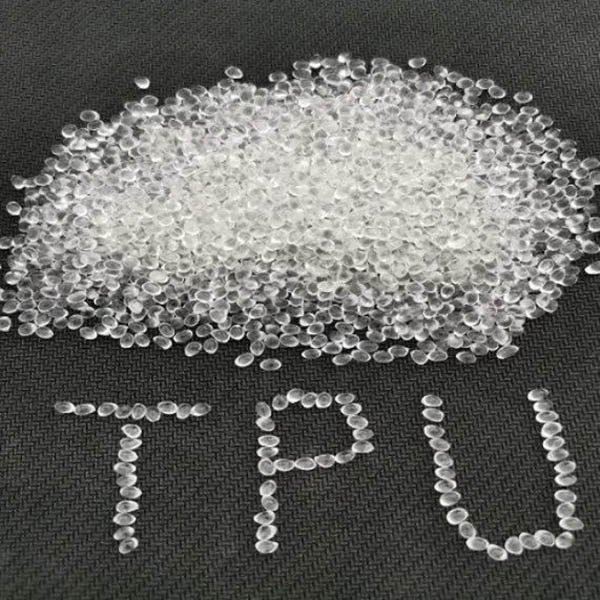
TPU Material Composition and Structural Characteristics
Thermoplastic polyurethane (TPU) is a linear block copolymer composed of alternating hard and soft segments. The typical raw materials include diisocyanates (commonly MDI), polyols, and chain extenders, which are chemically combined during extrusion or polymerization processes.
Hard Segment Structure
The hard segments of TPU material form physical cross-links through hydrogen bonding. These segments provide the polymer with high tensile strength, improved abrasion resistance, and enhanced thermal stability. As a result, TPU can maintain structural integrity under mechanical stress and repeated deformation.
Soft Segment Structure
Soft segments are generally composed of polyether, polyester, or blended polymers. These segments give TPU material its rubber-like elasticity, flexibility, and ability to absorb impact forces. This flexible phase allows TPU to stretch and recover repeatedly without permanent deformation.
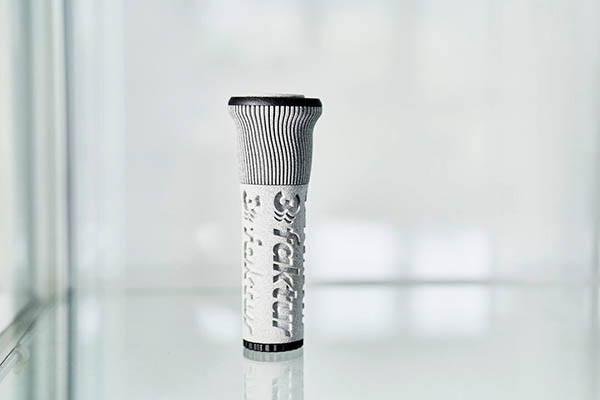
Structural Advantages of TPU
The segmented molecular structure provides several advantages over traditional plastics and elastomers:
- Compatible with manufacturing methods such as plastic injection molding, extrusion, blow molding, and calendering
- Adjustable hardness levels ranging from 65A to 85D
- Strong resistance to abrasion, oil, and low temperatures
- Available grades with biocompatibility and recyclability
Thanks to this engineered structure, TPU material offers a rare combination of strength and flexibility that makes it ideal for both industrial and consumer applications.
Key Properties of TPU Material
One of the main reasons engineers choose TPU material is its ability to combine high mechanical strength with outstanding elasticity. By modifying the ratio of hard and soft segments, manufacturers can fine-tune TPU performance for specific product requirements.
Mechanical Performance
TPU typically demonstrates excellent mechanical characteristics:
- Tensile strength: 30–50 MPa, with high-performance grades reaching 70 MPa
- Elongation at break: 400–800%
- Hardness range: Shore A60 to D80
- Exceptional abrasion resistance
These properties make TPU material suitable for components that must endure repeated stress or bending.
Chemical and Environmental Resistance
TPU also offers strong resistance to oils, fuels, and many chemicals. Polyester-based TPU grades generally provide better oil resistance, while polyether-based versions offer improved hydrolysis resistance and low-temperature flexibility.
Optical and Processing Characteristics
Certain TPU grades provide high transparency, sometimes reaching 90%, which allows them to be easily colored or customized. This property makes TPU material useful for consumer products and wearable devices.
Types and Classifications of TPU Materials
Different chemical compositions and manufacturing grades produce various TPU material types tailored to specific industrial needs.
Soft Segment Variations
Polyester TPU provides excellent wear resistance and oil resistance, making it suitable for industrial belts, footwear soles, and mechanical parts.
Polyether TPU performs better in humid environments and low temperatures, which makes it ideal for outdoor products, underwater equipment, and medical tubing.
Polycaprolactone TPU offers a balance of durability and stability and is often used in high-end films and tubing.
Polycarbonate TPU is known for outstanding hydrolysis resistance and weather resistance, making it suitable for outdoor or medical applications.
Hard Segment Classification
Aromatic TPU, typically MDI-based, offers strong mechanical performance and lower cost. However, it may discolor under ultraviolet light.
Aliphatic TPU, produced from HDI or IPDI, provides superior UV resistance and color stability, making it ideal for decorative and outdoor applications.
Processing Grades
Injection molding grades of TPU material have lower melt viscosity and allow complex part geometries with high precision through plastic injection molding.
Extrusion grades maintain strong melt strength and are suitable for continuous production of tubes, sheets, and profiles.
Blow molding TPU is commonly used to manufacture hollow structures such as airbags, flexible containers, and tanks.
Specialty TPU Materials
Advanced TPU formulations include flame-retardant, conductive, biodegradable, medical-grade, and shape-memory variants. These specialty materials enable engineers to expand TPU applications into highly specialized fields.
Advantages and Limitations of TPU Material
The segmented molecular structure of TPU material creates a unique balance between rigidity and elasticity.
Advantages
TPU offers several advantages for industrial manufacturing:
- High tensile strength combined with rubber-like flexibility
- Excellent abrasion and wear resistance
- Compatibility with plastic injection molding, extrusion, and other manufacturing processes
- Adjustable mechanical properties through material formulation
- Resistance to oils, fuels, and low temperatures
These characteristics make TPU material ideal for products that require durability and flexibility simultaneously.
Limitations
Despite its advantages, TPU also has certain limitations:
- Higher cost compared with standard plastics
- Mechanical performance may decline at very high temperatures
- Moisture sensitivity during processing
- Welding or bonding TPU components can require specialized techniques
Understanding these factors helps engineers select the most appropriate material for each application.
TPU Compared with Other Flexible Materials
When selecting flexible materials, engineers often compare TPU material with alternatives such as TPE, silicone, and PVC.
TPU stands out because it combines high tensile strength, excellent elongation, and superior abrasion resistance. While silicone provides outstanding heat and chemical resistance, and TPE offers cost advantages, TPU typically delivers a better balance between flexibility and durability.
This balance is why TPU material is frequently chosen for demanding applications such as automotive seals, medical tubing, and 3D printed parts.
TPU Processing and Manufacturing Methods
Like many thermoplastics, TPU material can be processed using multiple industrial manufacturing technologies.
Polymer Synthesis
Large-scale TPU production commonly uses continuous extrusion processes to ensure consistent quality and high production efficiency. Batch reaction methods are sometimes used for specialty formulations that require precise composition control.
Primary Forming Processes
The main shaping methods for TPU material include:
- Plastic injection molding for complex shapes and high-precision components
- Extrusion for tubes, sheets, and continuous profiles
- Blow molding for hollow structures
- Calendering for films and membranes
- Melt spinning for fibers
Each process is chosen according to the final product geometry and production scale.
Secondary Processing
After forming, TPU components may undergo additional operations such as thermal welding, surface treatment, machining, or trimming to meet functional and aesthetic requirements.
Processing Considerations
During production, TPU should be processed at temperatures between 160°C and 220°C. Proper drying, mold temperature control, and cooling conditions are essential to avoid defects and maintain consistent material properties.
Industrial Applications of TPU Material
Thanks to its combination of strength, elasticity, and durability, TPU material is widely used across numerous industries.
Footwear and Sports Equipment
TPU is commonly used in shoe soles, midsoles, insoles, and performance sports equipment. Flexible 3D printed parts are also increasingly produced using TPU.
Automotive Industry
Automotive manufacturers use TPU material in interior components, protective body strips, flexible seals, dust covers, and tubing systems. Safety components such as airbag housings and child seat parts also utilize TPU.
Electronics and Consumer Devices
TPU is frequently used to manufacture protective smartphone cases, wearable bands, and flexible electronic components.
Medical and Healthcare Applications
In the medical field, TPU material is used for catheters, tubing, masks, and other medical devices due to its flexibility, durability, and potential biocompatibility.
Industrial Manufacturing
Industrial uses include conveyor belts, seals, hoses, filtration screens, and mechanical components requiring strong wear resistance.
Packaging and Protective Films
TPU films are widely used for waterproof breathable membranes, specialty packaging materials, and protective coatings.
Future Trends in TPU Development
As material science advances, TPU material continues to evolve to meet new industrial requirements.
High-Performance Functional TPU
Researchers are developing advanced TPU grades with improved wear resistance, self-healing properties, and smart material capabilities.
Sustainable TPU Materials
Bio-based and recyclable TPU formulations are becoming increasingly important as manufacturers focus on sustainable production and environmental responsibility.
Advanced Processing Technologies
Emerging technologies such as additive manufacturing, nano-fabrication, and TPU composite materials allow the production of more complex and high-precision components.
Despite challenges such as cost and recycling limitations, continuous innovation ensures that TPU material remains an important engineering polymer for the future.
Conclusion
TPU material has become one of the most versatile polymers used in modern manufacturing. Its unique combination of flexibility, durability, and mechanical strength allows it to serve industries ranging from footwear and automotive to electronics, medical devices, and industrial production.
With adaptable properties and compatibility with technologies such as plastic injection molding and 3D printing, TPU continues to support innovative product designs. Partnering with experienced manufacturing specialists ensures that the full potential of TPU material can be achieved in both product performance and production efficiency.
FAQ
How to Choose Between Polyester and Polyether TPU?
When selecting between polyester-based and polyether-based TPU material, the decision should be based on the environmental and mechanical requirements of the final product. Polyester TPU is generally preferred when strong abrasion resistance, higher heat tolerance, and excellent oil resistance are needed, making it suitable for industrial components and mechanical parts.
On the other hand, polyether TPU performs better in environments where moisture resistance and hydrolysis stability are important. It also maintains flexibility at lower temperatures, which makes it a practical option for outdoor products, medical tubing, and applications exposed to water or humid conditions.
What Is the TPU Processing Temperature Range?
The processing temperature for TPU material typically falls within a range of 160°C to 220°C, depending on the material grade and manufacturing method. Harder TPU grades often require slightly higher processing temperatures to ensure proper melt flow and mold filling.
In most production environments, plastic injection molding of TPU is performed at approximately 170°C to 210°C. For extrusion processes used to manufacture tubing, films, or profiles, temperatures are usually maintained between 160°C and 200°C. When producing hollow parts through blow molding, processing temperatures commonly range from 180°C to 220°C.
What Is TPU Made Of?
Thermoplastic polyurethane (TPU) is created from a segmented polymer structure composed of alternating soft and hard molecular blocks. The soft segments typically consist of polyether or polyester chains, while the hard segments are formed through reactions involving diisocyanates and chain extenders.
This unique structure allows TPU material to combine the flexibility and elasticity of rubber with the processing advantages of thermoplastics. As a result, TPU can be shaped using methods such as plastic injection molding, extrusion, and other thermoplastic manufacturing techniques.
Can TPU Be Recycled?
Yes, TPU material is recyclable, although the efficiency of recycling may depend on the product formulation and its service life. Several recycling approaches are available.
Mechanical recycling involves grinding TPU waste into granules that can be reused in manufacturing. Chemical recycling methods break the polymer down into raw chemical components for reuse. In some cases, energy recovery through controlled combustion may also be used.
However, TPU products that contain reinforcements, fillers, or have undergone long-term environmental exposure may show reduced recyclability compared with standard TPU grades.
Is TPU Plastic Safe?
In most applications, TPU material is considered safe for direct skin contact and is widely used in consumer products such as wearable devices, phone cases, and flexible accessories. Certain TPU grades are also suitable for food-contact or medical applications.
However, safety ultimately depends on the specific formulation and additives used in the material. For regulated industries such as healthcare or food packaging, manufacturers must ensure that the TPU grade complies with relevant standards and certifications.
How Does TPU Compare to Silicone or PVC?
When comparing flexible polymers, TPU material offers significantly higher mechanical strength and abrasion resistance than many alternatives. This makes it ideal for applications that require durability along with flexibility.
Silicone, however, can withstand much higher temperatures and often has a softer tactile feel. PVC remains a cost-effective option for tubing, cables, and certain industrial components. Another key difference is that TPU material is a thermoplastic that can be processed through plastic injection molding or extrusion, while silicone typically requires vulcanization to achieve its final properties.
Is TPU a Plastic or Rubber?
Technically, TPU material belongs to the thermoplastic polymer family. However, due to its elasticity, flexibility, and resistance to wear, it behaves very similarly to rubber in many practical applications.
This hybrid performance allows thermoplastic polyurethane to function as a flexible yet durable material. As a result, it is widely used in industries ranging from footwear and automotive manufacturing to medical devices and flexible electronics.
Can TPU Be 3D Printed?
Yes, TPU material can be used for 3D printing through flexible filament technology. Because TPU is softer and more elastic than standard printing materials like PLA or ABS, it requires slightly different printing conditions.
Specialized extruders that handle flexible filaments more effectively are often recommended. Additionally, slower printing speeds and optimized temperature settings help maintain printing accuracy and improve surface quality when producing 3D printed parts from TPU.
Why Does TPU Yellow?
Yellowing in TPU material usually occurs due to prolonged exposure to ultraviolet (UV) light, heat, or oxidation during processing or long-term use. Aromatic TPU formulations are particularly prone to discoloration when exposed to sunlight.
To reduce this effect, manufacturers often use aliphatic TPU grades or add stabilizers and UV-resistant additives. These solutions help maintain color stability and extend the aesthetic lifespan of TPU components used in outdoor or transparent applications.
Some of the images and text in this article are collected and compiled from the internet. If there is anything inappropriate, please contact us for processing. tpu materialeigenschaften