
Steel Grit Abrasive Blasting: Complete Industrial Guide
What is Steel Grit Abrasive Blasting
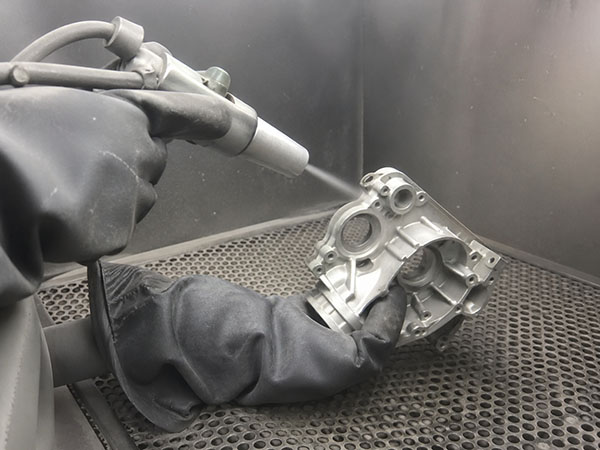
Steel grit abrasive blasting is a surface treatment process where angular steel particles are propelled at high velocity to clean, etch, or prepare a substrate. The process uses compressed air or centrifugal wheels to accelerate abrasive particles toward a surface.
Unlike polishing methods, steel grit blasting is designed to remove rust, mill scale, coatings, and contaminants while creating a rough anchor profile for coatings.
Steel Grit vs Steel Shot Differences
| Parameter | Steel Grit | Steel Shot |
|---|---|---|
| Shape | Angular | Spherical |
| Function | Cutting & etching | Peening & smoothing |
| Surface Result | Rough profile | Smooth finish |
| Application | Coating prep | Stress relief |
Steel grit is produced by crushing steel shot, giving it sharp edges for aggressive material removal.
Manufacturing Process of Steel Grit
Steel grit is made through a multi-step process:
- Melting high-carbon steel scrap
- Atomizing into steel shot
- Crushing into angular particles
- Heat treatment (quenching & tempering)
This process produces high-hardness particles (40–65 HRC) suitable for industrial blasting.
Particle Shape and Cutting Mechanism
The defining feature of steel grit is its angular geometry, which enables:
- Micro-cutting instead of peening
- Fast removal of thick coatings
- Deep surface profiling
When impacting a surface, steel grit cuts into material rather than compressing it, producing a textured finish ideal for coating adhesion.
Hardness Grades (GP, GL, GH) Explained
| Grade | Hardness | Application |
|---|---|---|
| GP | Lower hardness | General cleaning |
| GL | Medium hardness | Cleaning + profiling |
| GH | High hardness | Heavy-duty removal |
Higher hardness increases cutting speed but also increases equipment wear.
Grit Size and Surface Profile Relationship
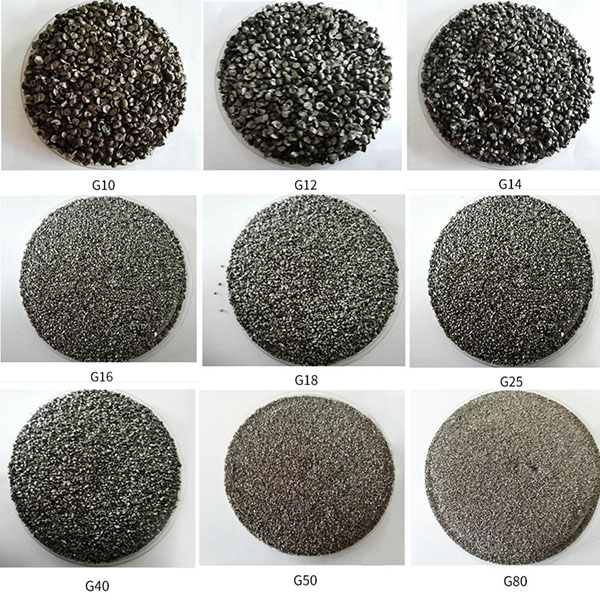
Steel grit sizes typically range from G16 to G120.
- Large grit → deeper profile, aggressive removal
- Small grit → fine finish, light cleaning
Example:
- G25 → paint removal
- G80 → finishing before coating
Recycling and Lifecycle Cost Advantages
Steel grit can be reused 2,000–3,000 cycles, significantly reducing cost.
| Abrasive Type | Reusability | Cost Efficiency |
|---|---|---|
| Steel Grit | Very high | Excellent |
| Garnet | Medium | Moderate |
| Sand | Low | Poor |
This makes steel grit one of the most cost-effective abrasives in industrial blasting.
Surface Preparation and Coating Adhesion
Steel grit creates a uniform anchor profile, improving coating performance:
- Stronger paint adhesion
- Reduced coating failure
- Longer service life
It is widely used in bridge, ship, and structural steel coating systems.
Industrial Applications and Sectors
Steel grit is used across multiple industries:
- Automotive manufacturing
- Shipbuilding
- Aerospace
- Construction steel
- Foundries
It is especially effective for heavy-duty cleaning and surface preparation.
Equipment Used (Air Blast vs Wheel Blast)
| Equipment Type | 특징 | Use Case |
|---|---|---|
| Air blasting | Flexible, portable | On-site jobs |
| Wheel blasting | High efficiency | Mass production |
Steel grit is commonly used in blast rooms and wheel blasting systems due to its durability.
Productivity and Cleaning Efficiency
Steel grit provides:
- Faster cutting speed
- Reduced blasting time
- Consistent surface finish
Its angular structure enables efficient removal of rust and coatings in fewer passes.
Surface Contamination Risks
Steel grit may leave ferrous residue, which can:
- Cause rust on non-ferrous metals
- Affect surface purity
For stainless steel or aluminum, alternative abrasives may be required.
Comparison with Alternative Abrasives
| Abrasive | Cutting Power | Reusability | Best Use |
|---|---|---|---|
| Steel Grit | High | Very high | Heavy cleaning |
| Aluminum Oxide | Very high | Medium | Precision blasting |
| Glass Beads | Low | Medium | Polishing |
Steel grit offers the best balance between performance and cost.
Environmental and Safety Considerations
Advantages:
- No free silica → reduced health risks
- Recyclable → less waste
Challenges:
- Dust generation
- Metal contamination risk
Modern systems use dust collectors and enclosed blasting rooms.
Best Practices for Selecting Steel Grit
Key selection factors:
- Surface material
- Desired roughness
- Coating requirements
- Equipment type
Example:
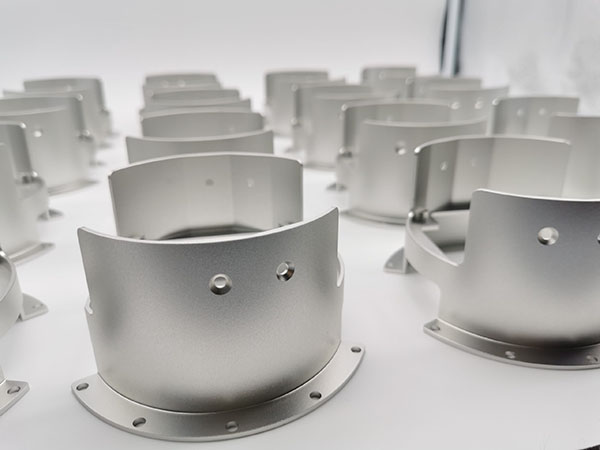
- Ship hull → GH grade, coarse grit
- Precision parts → GL grade, fine grit
Conclusion: Why Choose Xavier for Steel Grit Blasting
For manufacturers seeking consistent surface quality, high efficiency, and cost control, steel grit abrasive blasting remains a top-tier solution. cnc machining service
At Xavier CNC Machining, we combine:
- Optimized grit selection (size + hardness)
- Advanced blasting systems
- Strict surface quality control
This ensures every component achieves ideal surface roughness and coating adhesion, reducing downstream failures and improving product lifespan.
If your project requires precision surface preparation or high-volume blasting, Xavier offers a reliable, scalable solution tailored to industrial standards.
Some of the images and text in this article are collected and compiled from the internet. If there is anything inappropriate, please contact us for processing.