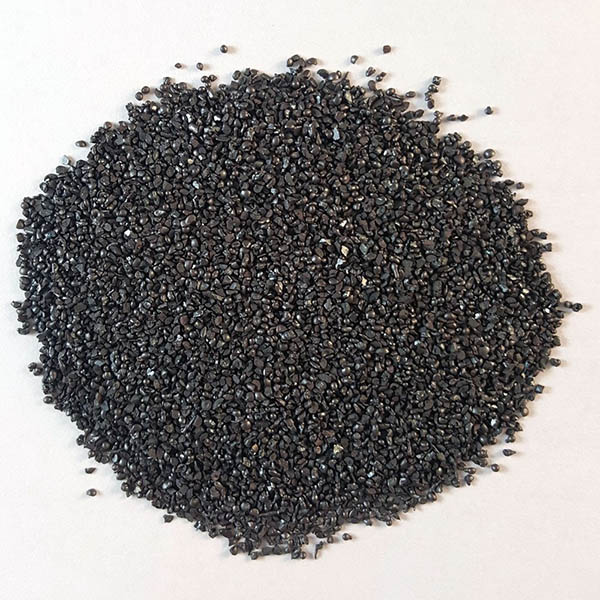
Sand Blasting Grit Size Chart: Complete Guide to Mesh Sizes, Surface Profiles, and Industrial Applications
Sand blasting is one of the most widely used surface preparation techniques in manufacturing, aerospace, construction, and CNC machining. The effectiveness of the process largely depends on selecting the correct grit size, which determines cutting power, cleaning speed, and surface finish quality.
A sand blasting grit size chart helps engineers and technicians match abrasive particle size with the correct application—from heavy rust removal to precision finishing of aluminum or titanium components. Choosing the wrong grit can lead to poor coating adhesion, surface damage, or unnecessary production costs.
This guide explains the most important aspects of sand blasting grit size charts, including mesh standards, grit selection methods, conversion tables, and practical industrial applications.
What Is a Sand Blasting Grit Size Chart
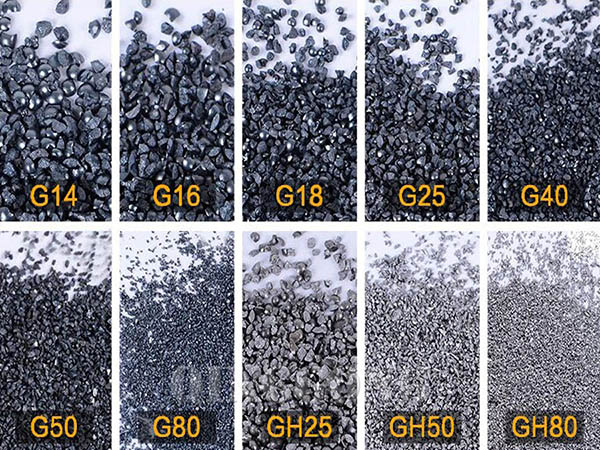
A sand blasting grit size chart is a reference table that categorizes abrasive particles based on their mesh size or micron diameter. These charts help operators select the correct abrasive for cleaning, coating preparation, polishing, or material removal.
In abrasive blasting, the particle size determines two key factors:
- Material removal rate
- Surface roughness profile
Larger particles remove material faster but leave rougher surfaces. Smaller particles produce smoother finishes but remove material more slowly.
Typical blasting tasks include:
- Removing rust and corrosion
- Stripping paint or coatings
- Preparing metal surfaces for painting or powder coating
- Creating matte finishes on aluminum parts
A grit size chart provides a quick way to match the abrasive size with the required surface result.
Understanding Mesh Size and Micron Measurements
Sand blasting abrasives are typically measured using mesh size, which refers to the number of openings per inch in a sieve used to classify particles.
Key principle:
- Lower mesh number → larger particles
- Higher mesh number → smaller particles
For example:
| Mesh Size | Approx Particle Size (µm) | Description |
|---|---|---|
| 16 | ~1180 µm | Very coarse |
| 36 | ~483 µm | Coarse |
| 60 | ~254 µm | Medium |
| 100 | ~122 µm | Fine |
| 220 | ~63 µm | Very fine |
These values are determined by passing abrasive material through a series of calibrated sieve screens defined by standards such as ASTM E-11.
Understanding this relationship helps operators interpret blasting charts and choose the correct abrasive size.
Standard Sand Blasting Grit Size Chart
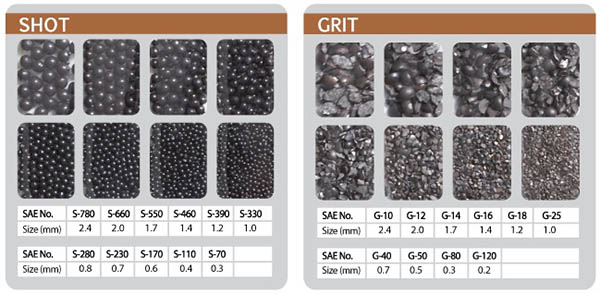
Below is a simplified version of a widely used grit size chart used in manufacturing environments.
| Grit Size (Mesh) | Micron Range | Surface Result | Typical Application |
|---|---|---|---|
| 6–16 | 1180–3360 µm | Very rough | Heavy rust removal |
| 16–30 | 590–1180 µm | Rough | Industrial coating prep |
| 30–60 | 250–590 µm | Moderately rough | Paint stripping |
| 60–100 | 150–250 µm | Medium smooth | Surface cleaning |
| 100–220 | 75–150 µm | Smooth | Polishing and finishing |
Coarse grit sizes are typically used when speed and aggressive cleaning are required, while finer abrasives are chosen when precision surface finishing is needed.
For example:
- 24 mesh aluminum oxide → heavy corrosion removal
- 120 mesh glass beads → cosmetic finishing
Coarse vs Medium vs Fine Blasting Grit
Abrasive blasting media is commonly divided into three categories based on grit size.
Coarse Grit (6–40 Mesh)
Characteristics:
- Large particles
- High impact energy
- Fast material removal
Applications:
- Removing thick coatings
- Cleaning structural steel
- Preparing concrete surfaces
Surface texture produced:
Deep anchor patterns suitable for heavy coatings.
Medium Grit (40–80 Mesh)
Characteristics:
- Balanced cutting performance
- Moderate surface roughness
Applications:
- General metal cleaning
- Surface preparation before painting
- Automotive restoration
This range is considered the most versatile blasting grit category.
Fine Grit (80–220 Mesh)
Characteristics:
- Small particle size
- Low material removal rate
- Smooth surface finish
Applications:
- Precision parts
- Polishing stainless steel
- Aluminum cosmetic finishing
Fine abrasives are commonly used in CNC manufacturing finishing processes.
Grit Size vs Surface Profile Depth
The grit size directly determines the surface profile depth, which is essential for coating adhesion.
Surface profile refers to microscopic peaks and valleys formed during blasting.
| Grit Size | Typical Surface Profile |
|---|---|
| 16–24 | 75–125 µm |
| 30–40 | 50–75 µm |
| 60–80 | 25–50 µm |
| 100–120 | 10–25 µm |
Coatings require a certain surface roughness to bond properly.
Example:
- Industrial epoxy coatings → 50–75 µm profile
- Thin decorative coatings → 10–25 µm profile
Using the wrong grit size can lead to coating failure or reduced durability.
How to Choose the Right Grit Size for Different Materials
Different substrates require different abrasive sizes.
| Material | Recommended Grit | Reason |
|---|---|---|
| Steel | 24–60 mesh | Removes heavy rust effectively |
| Aluminum | 80–180 mesh | Prevents deep surface damage |
| Stainless Steel | 80–120 mesh | Creates uniform matte finish |
| Concrete | 16–40 mesh | Aggressive material removal |
| Wood | 60–120 mesh | Gentle cleaning |
Softer materials require finer grit to avoid surface deformation.
Example:
A CNC aluminum enclosure blasted with 24 mesh steel grit would develop deep pits. Using 120 mesh glass beads instead creates a smooth satin finish.
Relationship Between Abrasive Material and Grit Size
The same grit size can behave differently depending on the abrasive material type.
| Abrasive Media | Shape | Typical Grit Range | Result |
|---|---|---|---|
| Aluminum Oxide | Angular | 24–220 | Aggressive cutting |
| Steel Grit | Angular | 16–80 | Heavy-duty cleaning |
| Glass Beads | Round | 60–200 | Polishing finish |
| Garnet | Sub-angular | 30–120 | Balanced cutting |
| Crushed Glass | Angular | 40–120 | Eco-friendly blasting |
Angular abrasives cut faster, while spherical particles polish surfaces.
This explains why glass bead blasting produces satin finishes, while aluminum oxide creates rough anchor patterns.
Equipment Factors That Affect Grit Size Selection
Besides the abrasive itself, blasting equipment parameters also influence results.
Important factors include:
Air Pressure
Typical range:
- 60–120 PSI
Higher pressure increases particle velocity and cutting power.
Nozzle Size
Rule of thumb:
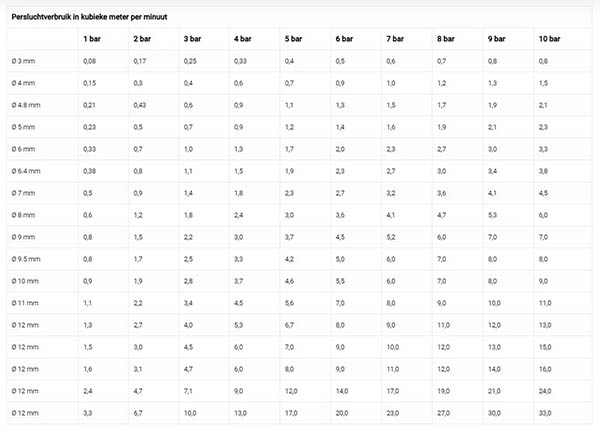
- Nozzle diameter should be 3× the grit size
If the nozzle is too small, the abrasive flow becomes restricted.
Blasting Distance
Common operating distance:
- 6–12 inches from the surface
Shorter distance increases aggressiveness.
These parameters must be balanced with grit size to achieve optimal results.
Industrial Applications of Sand Blasting Grit Size Charts
Manufacturers rely on grit charts to standardize surface finishing processes.
Common industries include:
Aerospace Manufacturing
- Titanium component cleaning
- Coating preparation for aircraft structures
Automotive Restoration
- Rust removal from chassis components
- Paint stripping
Marine Industry
- Ship hull cleaning
- Anti-corrosion coating preparation
CNC Precision Manufacturing
- Aluminum anodizing preparation
- Stainless steel finishing
- Cosmetic surface textures
In CNC machining environments, blasting with 80–120 mesh abrasives is often used to remove tool marks and create consistent surface finishes.
Why Sand Blasting Matters in CNC Manufacturing
Modern CNC machining produces extremely precise components, but cutting tools may leave microscopic machining marks.
Sand blasting serves as a controlled finishing process that:
- Removes burrs and tool marks
- Creates uniform matte textures
- Improves coating adhesion
- Enhances product appearance
For example:
A CNC-machined aluminum electronics housing may undergo 120 mesh glass bead blasting before anodizing to achieve a premium cosmetic finish.
Xavier Precision Manufacturing Surface Finishing Expertise
In high-precision industries, selecting the correct sand blasting grit size is essential for achieving consistent product quality.
Xavier Precision Manufacturing provides advanced surface finishing solutions integrated with precision CNC machining services, including:
- Controlled sand blasting for aluminum, titanium, and stainless steel parts
- Surface preparation before anodizing, painting, or powder coating
- Cosmetic matte finishing for electronic housings
- Deburring and micro-surface texturing for aerospace components
With optimized blasting parameters, professional equipment, and strict quality control, Xavier ensures every component achieves uniform texture, improved durability, and superior visual appearance.
If your project requires precision CNC machining combined with professional surface finishing, Xavier provides reliable engineering solutions from prototype to mass production.
Some of the images and text in this article are collected and compiled from the internet. If there is anything inappropriate, please contact us for processing.