
Aluminium Sheet Metal Fabrication: Processes, Materials, and Industrial Applications
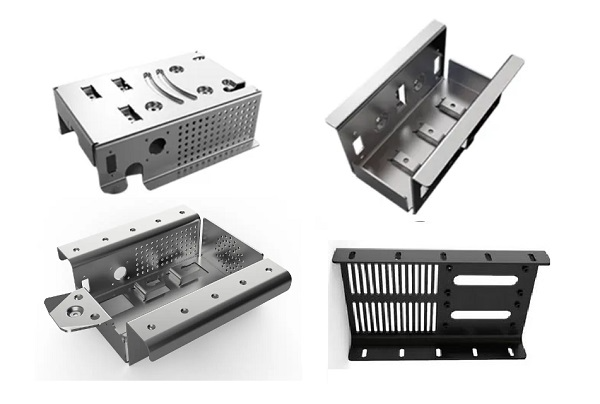
Aluminium sheet metal fabrication is a widely used manufacturing process that transforms flat aluminium sheets into functional parts and structures through cutting, bending, forming, and assembly. Because aluminium is lightweight, corrosion-resistant, and highly formable, it has become one of the most popular materials for sheet metal fabrication across industries such as construction, automotive, electronics, aerospace, and consumer products.
Compared with steel, aluminium offers a density of about 2.7 g/cm³, which is roughly one-third the weight of carbon steel, making it an ideal material for lightweight structural components. Additionally, aluminium’s natural oxide layer provides excellent corrosion resistance without requiring heavy protective coatings.
Modern aluminium sheet metal fabrication combines advanced equipment such as laser cutting systems, CNC press brakes, and automated welding robots to produce precise parts with high efficiency and repeatability. The following sections explore the key technical topics and industrial practices involved in aluminium sheet metal fabrication.
Key Knowledge Topics Related to Aluminium Sheet Metal Fabrication
- Fundamentals of aluminium sheet metal fabrication
- Common aluminium alloys used in sheet fabrication
- Cutting methods for aluminium sheet metal
- Bending and forming techniques for aluminium sheets
- Welding and joining methods for aluminium structures
- Surface finishing and corrosion protection
- Design guidelines for aluminium sheet metal parts
- Tolerance control and quality inspection
- Cost factors and production efficiency in sheet metal fabrication
- Industrial applications of aluminium sheet metal components
Fundamentals of Aluminium Sheet Metal Fabrication
Aluminium sheet metal fabrication refers to the process of converting flat aluminium sheets into finished parts using various forming and machining techniques. These processes typically include:
- cutting
- punching
- bending
- stamping
- welding
- finishing
The fabrication workflow usually follows these steps:
- CAD design of the part
- Material selection and sheet thickness determination
- Cutting and blanking
- Forming or bending operations
- Assembly and welding
- Surface finishing and inspection
Aluminium sheet thickness typically ranges from 0.5 mm to 6 mm for most fabrication applications, though thicker sheets may be used for structural components.
Common Aluminium Alloys Used in Sheet Fabrication
Selecting the correct aluminium alloy is critical because different alloys offer different mechanical properties, formability, and corrosion resistance.
Frequently Used Aluminium Alloys
| Alloy | Key Properties | Typical Applications |
|---|---|---|
| 5052 | excellent corrosion resistance | marine and outdoor enclosures |
| 6061 | high strength and weldability | structural parts |
| 3003 | excellent formability | HVAC panels |
| 7075 | extremely high strength | aerospace components |
For example, 5052 aluminium is commonly used in sheet metal fabrication because it has excellent resistance to saltwater corrosion and can be bent without cracking. Meanwhile, 6061 aluminium is widely used in structural applications due to its high strength and good machinability.
Cutting Methods for Aluminium Sheet Metal
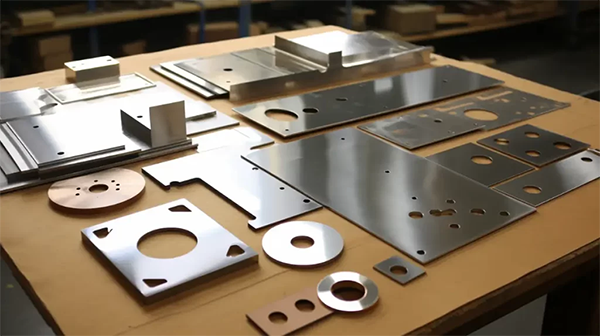
Precision cutting is the first step in aluminium sheet metal fabrication. Several technologies are commonly used depending on thickness, precision requirements, and production volume.
Common Cutting Technologies
| Method | Advantages | Typical Use |
|---|---|---|
| Laser cutting | high precision and clean edges | complex shapes |
| CNC punching | high speed for repeated patterns | ventilation panels |
| Waterjet cutting | no heat-affected zone | thick aluminium plates |
| Shearing | fast and economical | straight cuts |
Laser cutting is especially popular because it can produce complex geometries with cutting tolerances around ±0.1 mm and minimal material waste.
Bending and Forming Techniques for Aluminium Sheets
Bending is one of the most important operations in aluminium sheet metal fabrication.
Press brakes apply controlled force to bend flat sheets into specific angles and shapes.
Key Bending Parameters
| Parameter | Typical Value |
|---|---|
| Minimum bend radius | 1–1.5 × sheet thickness |
| Springback compensation | 2–5° depending on alloy |
| Bend angle accuracy | ±1° |
Because aluminium has lower elasticity than steel, springback must be carefully calculated during bending operations. CNC press brakes automatically adjust bending force and angles to maintain consistent results across production batches.
Welding and Joining Methods for Aluminium
Joining aluminium sheet components requires specialized techniques because aluminium has high thermal conductivity and a relatively low melting point.
Common Aluminium Joining Methods
| Method | Advantages | Typical Applications |
|---|---|---|
| TIG welding | high precision | thin sheet structures |
| MIG welding | high deposition rate | structural frames |
| Riveting | no heat distortion | aircraft panels |
| Adhesive bonding | smooth appearance | electronics enclosures |
TIG welding is widely used for aluminium sheet fabrication because it provides precise heat control and produces high-quality welds with minimal distortion.
Surface Finishing and Corrosion Protection
Although aluminium naturally forms a protective oxide layer, many products require additional surface finishing for durability or aesthetics.
Common Aluminium Finishing Methods
| Finish Type | Benefits |
|---|---|
| Anodizing | corrosion resistance and color options |
| Powder coating | durable decorative coating |
| Brushing | aesthetic metallic texture |
| Sandblasting | uniform matte finish |
For example, anodized aluminium enclosures used in electronics can achieve oxide layer thicknesses of 5–25 µm, improving both durability and visual appearance.
Design Guidelines for Aluminium Sheet Metal Parts
Good design practices can significantly reduce manufacturing costs and improve fabrication efficiency.
Key Design Recommendations
- maintain consistent material thickness
- avoid extremely small bend radii
- allow proper clearance for fasteners
- minimize complex multi-direction bends
- standardize hole sizes and spacing
Example Design Comparison
| Design Feature | Good Practice | Poor Practice |
|---|---|---|
| Bend radius | ≥ material thickness | extremely sharp bends |
| Hole placement | ≥2× thickness from edge | holes near bend lines |
| Part complexity | simple bends | multiple complex forms |
Following these guidelines helps manufacturers reduce tooling wear and improve production consistency.
Tolerance Control and Quality Inspection
Precision is important even in sheet metal fabrication.
Typical tolerance ranges include:
| Feature | Typical Tolerance |
|---|---|
| Laser cut dimension | ±0.1 mm |
| Bend angle | ±1° |
| Hole position | ±0.15 mm |
Quality inspection methods include:
- coordinate measuring machines (CMM)
- optical inspection systems
- digital calipers and gauges
These inspection tools ensure that fabricated parts meet engineering specifications before assembly or shipment.
Cost Factors in Aluminium Sheet Metal Fabrication
The cost of aluminium sheet fabrication depends on multiple factors.
Major Cost Drivers
| Factor | Impact on Cost |
|---|---|
| material thickness | thicker sheets require more power |
| cutting complexity | intricate shapes increase machine time |
| bending operations | multiple bends increase labor |
| surface finishing | additional processing cost |
Example cost comparison:
| Production Quantity | Estimated Cost per Part |
|---|---|
| 50 units | $18 |
| 500 units | $9 |
| 5000 units | $4 |
Higher production volumes reduce per-unit cost because setup and programming costs are distributed across more parts.
Industrial Applications of Aluminium Sheet Metal Fabrication
Aluminium sheet fabrication is used across many industries due to its lightweight properties and corrosion resistance.
Major Application Areas
| Industry | Typical Products |
|---|---|
| Electronics | device housings and enclosures |
| Automotive | body panels and brackets |
| Construction | curtain walls and roofing |
| Aerospace | aircraft panels |
| HVAC | duct systems and ventilation panels |
For example, aluminium sheet metal is commonly used in electronic equipment enclosures because it offers a good balance of strength, weight, and thermal conductivity.
Why Xavier Is a Reliable Partner for Aluminium Sheet Metal Fabrication
When companies require high-quality aluminium sheet metal components, choosing the right fabrication partner is critical.
Xavier provides advanced aluminium fabrication solutions designed to meet the needs of modern industries.
Key advantages include:
- advanced CNC cutting and forming equipment
- professional engineering support for design optimization
- experience working with multiple aluminium alloys such as 5052 and 6061
- reliable production from prototypes to large-scale manufacturing
- strict quality control and inspection processes
Whether you require aluminium enclosures for electronics, structural panels for industrial equipment, or custom sheet metal assemblies, Xavier delivers precision aluminium sheet metal fabrication with consistent quality and competitive lead times.
Some of the images and text in this article are collected and compiled from the internet. If there is anything inappropriate, please contact us for processing.