
High Volume Machining: A Complete Guide to Scalable CNC Production
High volume machining refers to the large-scale production of identical parts using advanced manufacturing technologies such as CNC milling, CNC turning, and automated machining systems. It is widely used in industries like automotive, aerospace, electronics, and consumer products where thousands or even millions of identical components must be produced with consistent quality and tight tolerances.
In modern manufacturing environments, high volume CNC machining combines automation, optimized tooling, and process control to achieve scalable production while maintaining high accuracy. Once the machining program is developed and validated, CNC machines can produce identical components continuously, ensuring minimal variation between parts.
In addition to precision, high-volume production offers significant economic benefits. As production quantities increase, the cost per part decreases because fixed costs—such as programming, setup, and tooling—are distributed across a larger number of units.
The following sections explore the most important concepts and technologies behind high volume machining.
Key Knowledge Topics Related to High Volume Machining
- Definition and principles of high volume machining
- Differences between high-volume and low-volume machining
- CNC machines used in high volume production
- Automation and robotics integration in machining lines
- Materials suitable for large-scale CNC machining
- Cycle time optimization and production efficiency
- Quality control and consistency in mass production
- Cost reduction and economies of scale in machining
- Tool wear management in continuous machining operations
- Industrial applications of high volume machining
What Is High Volume Machining
High volume machining is the process of producing large quantities of identical components using automated CNC equipment. These production runs typically involve thousands to millions of parts, all manufactured according to the same design and specifications.
Unlike prototype or small-batch machining, high volume machining focuses on:
- maximizing production efficiency
- maintaining stable process control
- reducing unit cost
- ensuring consistent product quality
Once a CNC program is finalized, the machine follows precise instructions to control toolpaths, feed rates, and cutting depths. This ensures that every part produced in the batch meets the same dimensional specifications with minimal deviation.
Typical industries that rely on high volume machining include:
| Industry | Example Components |
|---|---|
| Automotive | engine housings, transmission components |
| Aerospace | brackets, connectors |
| Electronics | aluminum housings, heat sinks |
| Medical devices | precision fittings |
| Consumer products | hardware and mechanical parts |
High Volume Machining vs Low Volume Machining
Understanding the differences between high-volume and low-volume machining helps manufacturers select the correct production method.
| Factor | High Volume Machining | Low Volume Machining |
|---|---|---|
| Production quantity | thousands to millions | prototypes to hundreds |
| Setup cost | higher initial cost | lower setup cost |
| Unit cost | decreases as volume increases | relatively higher |
| Flexibility | lower flexibility | higher design flexibility |
| Production speed | very fast once setup is complete | slower output rate |
Low-volume machining is ideal for prototypes or custom parts, while high-volume machining is optimized for standardized production where designs rarely change.
CNC Machines Used in High Volume Production
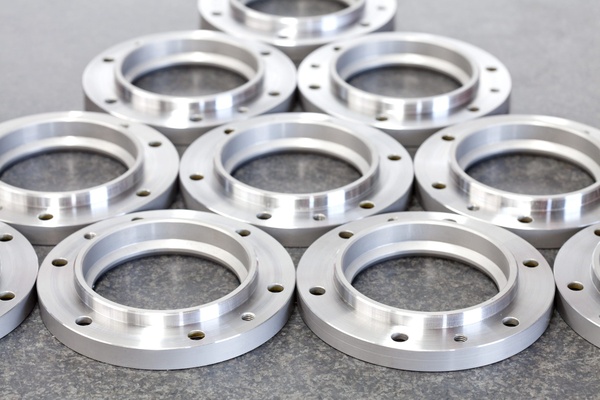
High volume machining relies heavily on advanced CNC equipment designed for continuous operation.
Common machines include:
- CNC milling centers
- CNC turning centers
- multi-axis machining centers
- Swiss-type CNC lathes
- automated machining cells
Modern CNC machines can operate 24 hours a day, seven days a week, dramatically increasing production capacity compared with manual machining.
Example Production Equipment
| Machine Type | Typical Application |
|---|---|
| 3-Axis CNC Milling | flat surfaces, housings |
| 4-Axis CNC Machining | multi-side components |
| 5-Axis CNC Machining | complex aerospace parts |
| CNC Turning | shafts, cylindrical components |
| Swiss CNC | small precision parts |
Multi-axis machines also reduce setup times by performing multiple operations in a single setup.
Automation and Robotics in High Volume Machining
Automation is a key factor in achieving efficient high-volume production.
Manufacturers often integrate:
- robotic part loading and unloading
- automated pallet systems
- conveyor-based material handling
- smart manufacturing software
These technologies allow CNC machines to run continuously with minimal human intervention, improving productivity and reducing labor costs.
For example, robotic loading systems can reduce idle machine time between cycles, significantly increasing throughput in large production runs.
Materials Used in High Volume CNC Machining
High volume machining supports a wide range of materials depending on product requirements.
Typical materials include:
| Material | Key Advantages | Common Uses |
|---|---|---|
| Aluminum | lightweight, excellent machinability | electronics housings |
| Stainless steel | corrosion resistance | industrial parts |
| Brass | high machinability | connectors |
| Titanium | high strength-to-weight ratio | aerospace |
| Engineering plastics | lightweight and durable | consumer products |
High-volume CNC machining can process both metals and engineering plastics, enabling manufacturers to meet diverse application requirements.
Cycle Time Optimization in Mass Production
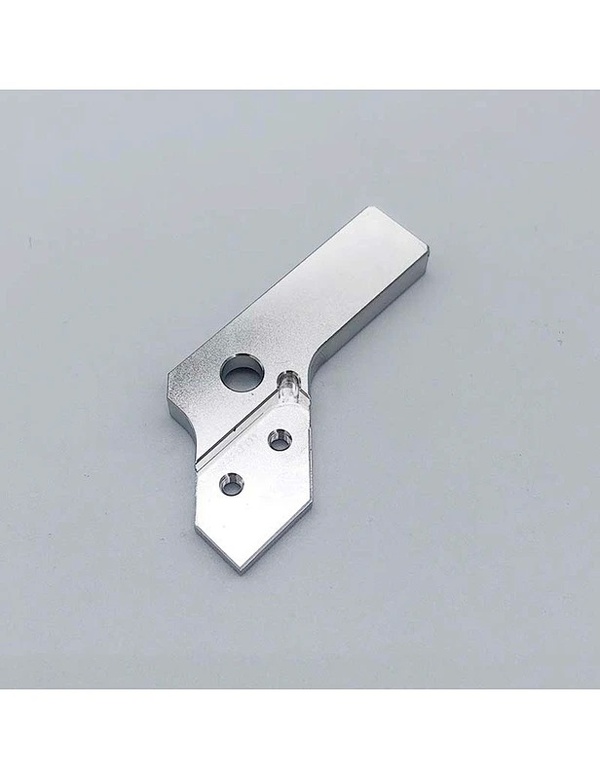
Cycle time is one of the most critical metrics in high volume machining.
Cycle time refers to the time required to produce a single part from start to finish.
Manufacturers improve cycle time through:
- optimized toolpaths in CAM software
- high-speed cutting tools
- multi-axis machining
- reduced setup operations
Even small improvements can dramatically affect productivity.
Example Impact of Cycle Time
| Cycle Time | Production per Hour |
|---|---|
| 60 seconds | 60 parts |
| 30 seconds | 120 parts |
| 15 seconds | 240 parts |
Reducing cycle time by half can double production output without adding machines.
Maintaining Quality Consistency in High Volume Production
Quality control is essential when producing thousands of parts.
Even a small defect rate can lead to large losses when scaled across massive production runs.
Manufacturers maintain quality through:
- in-process inspection systems
- automated measurement equipment
- statistical process control (SPC)
- standardized tooling and fixtures
CNC machining ensures that every part in the production batch is nearly identical because the process is controlled by computer programs rather than manual adjustments.
Cost Efficiency and Economies of Scale
One of the biggest advantages of high volume machining is the reduction of cost per unit.
Initial setup costs may include:
- CNC programming
- tooling design
- fixture development
However, once production begins, these fixed costs are spread across thousands of parts.
Example cost distribution:
| Production Quantity | Estimated Cost per Part |
|---|---|
| 100 units | $12 |
| 1,000 units | $6 |
| 10,000 units | $2 |
In many manufacturing scenarios, increasing production volume can reduce the per-unit cost by 40–60% due to economies of scale.
Tool Wear and Maintenance in Continuous Machining
Continuous production places significant stress on cutting tools.
Tool wear must be carefully managed to maintain accuracy and prevent defects.
Common strategies include:
- predictive maintenance systems
- automatic tool monitoring
- scheduled tool replacement
- advanced tool coatings
Proper tool management ensures stable production and prevents unexpected downtime during long manufacturing runs.
Industrial Applications of High Volume Machining
High volume machining is widely used in industries requiring consistent mass production.
Typical Applications
| Industry | Example Parts |
|---|---|
| Automotive | transmission housings |
| Electronics | aluminum heat sinks |
| Aerospace | precision brackets |
| Industrial equipment | hydraulic fittings |
| Consumer goods | mechanical hardware |
These industries rely on high volume machining to deliver precision components quickly while maintaining tight tolerances.
Why Xavier Is a Reliable Partner for High Volume Machining
When companies require large-scale production of precision parts, selecting the right manufacturing partner becomes critical.
Xavier specializes in scalable CNC manufacturing solutions designed for high-volume production environments.
Key advantages of working with Xavier include:
- advanced 3/4/5 Axis CNC machining systems
- optimized production lines for large-scale manufacturing
- expertise in machining aluminum, stainless steel, brass, and engineering plastics
- automated machining workflows for consistent quality
- reliable production capacity for thousands or millions of parts
Whether you need high-volume aluminum components for electronics or precision metal parts for automotive applications, Xavier provides efficient high volume machining services that combine scalability, precision, and competitive pricing.
Some of the images and text in this article are collected and compiled from the internet. If there is anything inappropriate, please contact us for processing.