Low Volume CNC Machining: Complete Guide to Small Batch Precision Manufacturing
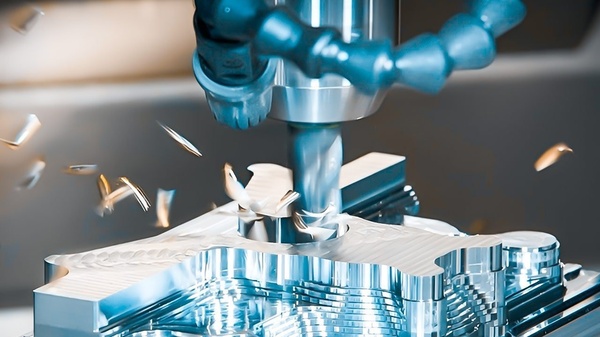
Low volume CNC machining refers to the production of small batches of precision components using computer-controlled machining systems. In most industrial contexts, low-volume production typically ranges from 10 to 1,000 parts, filling the gap between prototype development and mass manufacturing.
Unlike large-scale manufacturing methods such as injection molding or die casting, CNC machining produces parts directly from CAD models without the need for molds or specialized tooling. This drastically reduces setup cost and allows rapid iteration during product development.
For startups, R&D teams, and hardware manufacturers, low volume CNC machining has become one of the most important manufacturing strategies for functional prototypes, pilot runs, and customized components.
What Is Low Volume CNC Machining?
Low volume CNC machining is a manufacturing approach that focuses on producing small quantities of high-precision parts using CNC milling, turning, or multi-axis machining.
Typical production volumes include:
| Production Type | Quantity Range | Typical Manufacturing Method |
|---|---|---|
| Prototype | 1–10 units | CNC machining / 3D printing |
| Low Volume Production | 10–1000 units | CNC machining |
| Mass Production | 10,000+ units | Injection molding / casting |
The core advantage is the ability to produce production-grade components without expensive tooling investment. Parts are manufactured directly from CAD data, making it possible to modify designs quickly and produce updated iterations within days.
This flexibility is why many hardware startups rely heavily on CNC machining during early product commercialization.
Why Low Volume CNC Machining Is Ideal for Rapid Prototyping
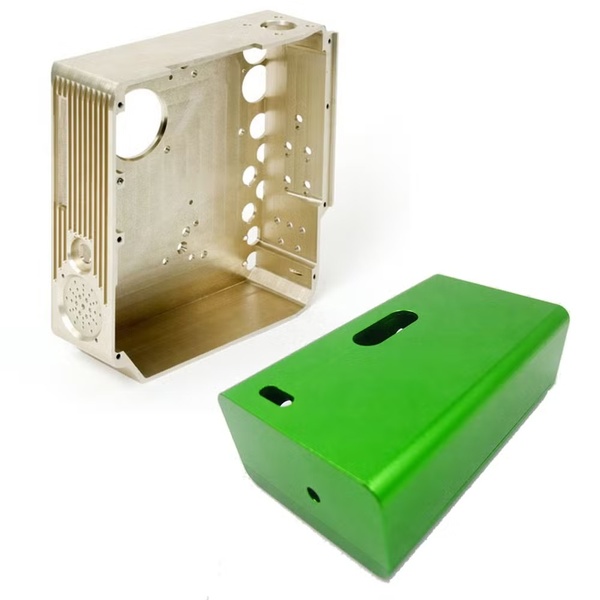
One of the strongest advantages of low volume CNC machining is its ability to produce functional prototypes using the final production materials.
Unlike visual prototypes produced with additive manufacturing, CNC-machined prototypes are suitable for:
- mechanical testing
- assembly validation
- durability testing
- regulatory certification
Because the parts are machined from real materials such as 6061 aluminum, stainless steel, or PEEK, their mechanical properties match final production parts.
Example prototype workflow:
| Stage | Quantity | Purpose |
|---|---|---|
| Engineering Prototype | 1–5 pcs | Design validation |
| Functional Prototype | 10–20 pcs | Mechanical testing |
| Pilot Production | 50–200 pcs | Market testing |
| Production Ramp | 500–1000 pcs | Pre-mass production |
This staged approach dramatically reduces product development risk.
Cost Structure and Economic Advantages
Low volume CNC machining is economically viable because it eliminates tooling investment.
Traditional manufacturing methods often require molds costing $5,000 to $100,000 or more, making them unsuitable for small production runs.
Typical cost comparison:
| Cost Factor | CNC Low Volume | Injection Molding |
|---|---|---|
| Tooling Cost | $0 – $500 | $5,000 – $100,000+ |
| Lead Time | 3–10 days | 4–12 weeks |
| Unit Cost | Higher | Lower at scale |
| Design Changes | Very easy | Very expensive |
Because there is no tooling amortization, CNC machining becomes the most cost-efficient solution for small production runs.
Low Volume CNC Machining vs Mass Production
Understanding the differences between low-volume and large-scale manufacturing is essential for selecting the right production strategy.
| Feature | Low Volume CNC Machining | Mass Production |
|---|---|---|
| Quantity | 10–1000 parts | 10,000+ parts |
| Tooling | No molds required | Expensive molds |
| Lead Time | Days or weeks | Months |
| Flexibility | Very high | Very limited |
| Per Unit Cost | Higher | Lower at scale |
Low-volume CNC machining prioritizes speed, flexibility, and customization, whereas mass production focuses on unit cost reduction and production scale.
For new products with uncertain demand, low-volume manufacturing significantly reduces financial risk.
Materials Used in Low Volume CNC Machining
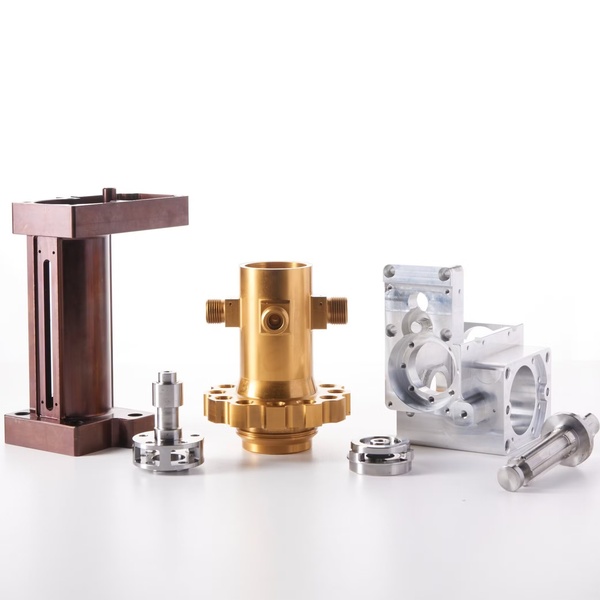
Another major advantage is the wide range of materials that can be machined without changing the production process.
Common metal materials:
| Material | Typical Applications |
|---|---|
| Aluminum 6061 / 7075 | Aerospace, robotics |
| Stainless Steel 304 / 316 | Medical devices |
| Titanium | Aerospace, implants |
| Brass | Precision fittings |
| Copper | Electrical components |
Common engineering plastics:
| Plastic | Use Case |
|---|---|
| ABS | Prototypes |
| Nylon | Wear-resistant parts |
| PEEK | High temperature components |
| Delrin (POM) | Precision gears |
CNC machines can process both metals and plastics with consistent quality and dimensional accuracy, making them suitable for diverse industries.
Achievable Tolerances and Precision
Precision machining is one of the defining characteristics of CNC technology.
Typical tolerance levels:
| Precision Level | Tolerance |
|---|---|
| Standard CNC tolerance | ±0.005 in (0.127 mm) |
| Precision machining | ±0.001 in |
| Ultra precision | ±0.0001 in |
These tolerances are suitable for high-performance mechanical components such as:
- aerospace brackets
- medical implants
- automotive components
- electronic housings
High precision ensures repeatable quality across small production batches.
Faster Lead Time and Time-to-Market
Low-volume CNC machining significantly reduces product development timelines.
Typical lead times:
| Part Complexity | Lead Time |
|---|---|
| Simple parts | 24–72 hours |
| Medium complexity | 3–5 days |
| Complex multi-axis parts | 5–10 days |
Without mold manufacturing or tooling setup, parts can be machined directly from CAD models, enabling rapid product iteration.
For hardware startups, this speed can mean the difference between launching a product this quarter or next year.
Design for Manufacturability (DFM) in Low Volume Production
DFM (Design for Manufacturability) is crucial in optimizing parts for CNC machining.
Typical DFM improvements include:
- reducing unnecessary tight tolerances
- simplifying internal cavities
- optimizing wall thickness
- minimizing tool changes
Example:
| Design Issue | DFM Optimization |
|---|---|
| Deep pocket | Reduce depth-to-width ratio |
| Thin walls | Increase thickness |
| Sharp internal corners | Add fillets |
DFM analysis can reduce machining time and production cost significantly.
Industry Applications of Low Volume CNC Machining
Low volume CNC machining is widely used across advanced manufacturing sectors.
Key industries include:
| Industry | Example Parts |
|---|---|
| Aerospace | brackets, housings |
| Medical | surgical instruments |
| Robotics | structural components |
| Automotive | prototype engine parts |
| Consumer electronics | aluminum enclosures |
These industries require precision components in small quantities, making CNC machining the ideal manufacturing solution.
Surface Finishing and Post-Processing
Surface finishing plays an important role in the final appearance and performance of machined components.
Common finishing processes include:
| Surface Finish | Purpose |
|---|---|
| Anodizing | corrosion resistance |
| Sandblasting | matte surface |
| Powder coating | durability |
| Electroplating | conductivity |
| Polishing | cosmetic finish |
Surface finishing can also improve:
- wear resistance
- electrical conductivity
- corrosion protection
- product aesthetics
Modern CNC manufacturers often integrate finishing services directly into the production workflow.
Why Choose Xavier for Low Volume CNC Machining
When transitioning from prototype development to small batch production, choosing the right machining partner is critical.
Xavier specializes in precision CNC machining for low-volume production, helping companies move efficiently from design to market-ready components.
Key advantages of working with Xavier:
- advanced 3/4/5 Axis CNC machining centers
- rapid prototyping and small batch manufacturing
- tight tolerance capability for precision parts
- flexible production from 1 to 1000+ pieces
- full material support including aluminum, titanium, stainless steel, brass, and engineering plastics
- integrated finishing services such as anodizing and polishing
Whether you are validating a prototype, launching a new hardware product, or producing custom mechanical components, Xavier provides reliable, scalable low volume CNC machining solutions designed for modern manufacturing needs.
Some of the images and text in this article are collected and compiled from the internet. If there is anything inappropriate, please contact us for processing.