
What Precision Aluminum Parts Are: Definition and Industry Importance
Precision aluminum parts are high-accuracy components machined from aluminum and aluminum alloys to meet strict dimensional, surface, and performance criteria required by demanding industries like aerospace, automotive, medical devices, communications, and industrial automation. Aluminum is prized for its exceptional strength-to-weight ratio, corrosion resistance, and machinability, which makes it ideal for components where lightweight performance and precision intersect.
Aluminum precision parts are not simply pieces of aluminum that have been cut or bent; they are engineered parts that must conform to tight tolerances — often in the range of ±0.005 mm or finer — and satisfy specific surface finish and mechanical property requirements. In precision manufacturing, even minor deviation from specified tolerance can cause significant downstream problems in assembly, performance, or safety — especially in high-performance applications like aerospace engines, medical instruments, or EV drivetrain systems.
Consider an aerospace bracket designed to weigh 30% less than its steel counterpart but must meet stringent fatigue and load requirements. Using precision machined aluminum alloy like 7075-T6, engineers achieve both weight reduction and high mechanical performance through precise machining and quality control.
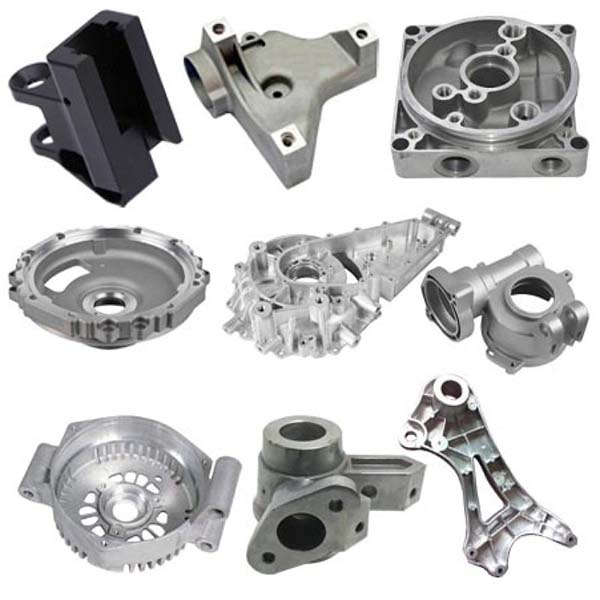
Uses of Aluminum Alloys in Precision Machining and Their Properties
Aluminum alone is not a single material — it encompasses various alloy families, each offering different mechanical properties. Precision machining commonly uses the following alloys, selected based on performance criteria:
| Alloy | Typical Properties | Common Applications |
|---|---|---|
| 6061-T6 | Excellent corrosion resistance, good machinability | Structural components, brackets, housings |
| 7075-T6 | Very high strength, up to ~570 MPa tensile strength | High-stress aerospace parts |
| 6082 | High strength and improved weldability | Marine and structural parts |
| 5052 | High formability and fatigue resistance | Lightweight enclosures and panels |
| 2011 | Exceptional machinability | Precision turned parts & rapid prototyping |
For example, 6061-T6 is often preferred for precision milled housings or jigs because it machines cleanly with stable chips and excellent surface finishes, while 7075-T6 is used where strength cannot be compromised.
Each alloy’s distinct balance of machinability, strength, and corrosion resistance directly influences the choice of tooling, cutting speeds, coolant strategy, and post-machining treatments required for precision parts. For instance, machining 7075 requires optimized cooling regimes to avoid work hardening and tool wear, whereas 6061 can often be machined faster with less tool temperature concern.
Precision Machining Processes for Aluminum Parts: CNC Milling, Turning, and Beyond
Precision aluminum parts are produced through a variety of manufacturing processes, tailored to the desired part geometry and required tolerances. Three of the most critical machining methods are:
CNC Milling: In this process, a rotating multi-axis cutter removes material from aluminum blocks or billets based on exact CAD/CAM tool paths. Milling is extremely versatile — from simple flat surfaces and holes to complex 5-axis contoured features — with typical tolerances reaching ±0.001 inches and surface finishes under Ra 1.6 µm.
CNC Turning: Rotates aluminum stock against tooling to produce cylindrical designs like shafts, bushings, and pinned features. Swiss-style turning can even achieve tolerances of ±0.0001 inches for long slender components.
Advanced Techniques: Processes such as high-speed machining (HSM) can operate at tool speeds above 10,000 RPM, yielding smoother surfaces with minimal post-processing. In contrast, specialty operations like precision grinding, EDM, or micro-machining are used when micron-level precision and surface finishes (Ra < 0.4 µm) are required.
Understanding the interplay of these processes — and matching them to the part’s functional requirements — is essential for manufacturing components that meet performance demands without excessive cost.
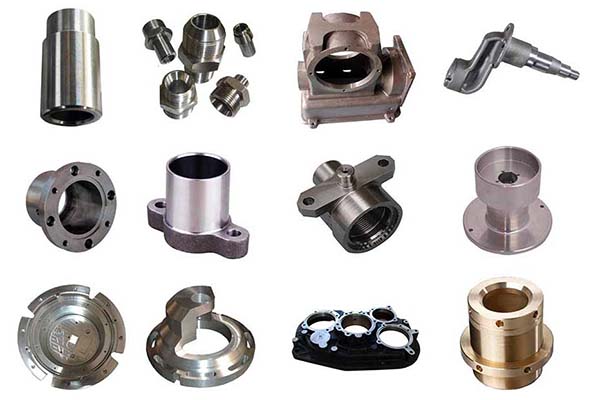
Tolerance & Surface Finish: What “Precision” Really Means
In the world of precision aluminum parts, tolerance refers to the allowable variation in a dimension; surface finish describes the texture and smoothness of that surface. These two factors often determine whether a part can be used in high-performance or safety-critical applications.
For example, automotive and aerospace engine components typically require tolerances as tight as ±0.005 mm (±0.0002 inches) to ensure proper assembly and performance. Surface roughness, measured in Ra (micrometers), is also critical: an Ra of 0.8 µm may be acceptable for structural parts, while moving mechanical interfaces often require Ra values below 0.4 µm to reduce friction and wear.
Manufacturers achieve these specifications through precision control of cutting parameters, appropriate tooling selection (coated carbide or high-speed steel), and staged finishing operations. Auxiliary processes like anodizing can further smooth surfaces and enhance corrosion resistance without compromising dimensional accuracy.
Dimensional stability under thermal stress is an additional consideration — aluminum has a relatively high coefficient of thermal expansion, which means that temperature control during precision machining is crucial to avoid part distortion. Advanced CNC systems often incorporate active thermal compensation to mitigate this.
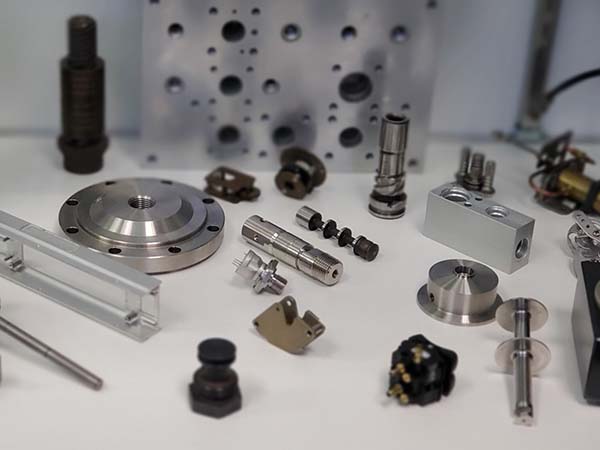
Surface Treatments and Post-Processing for Precision Aluminum Parts
After machining, aluminum parts often undergo surface treatments to enhance appearance, durability, corrosion resistance, or specific functional properties. These treatments include:
- Anodizing: Electrochemical conversion that thickens the aluminum oxide layer, improving wear resistance and enabling vibrant color finishes.
- Powder Coating: Durable polymer finish that protects against abrasion and corrosion.
- Polishing and Blasting: Produces uniform texture or mirror-like surfaces beneficial for consumer products.
Aerospace grade parts often require Mil-A-8625 compliant hard anodizing for extreme wear resistance without compromising tight tolerances. Similarly, anodized aluminum 5G tier communications parts maintain corrosion and thermal performance even in outdoor environments.
Proper post-processing planning — including fixturing, masking, and heat management — is essential. Aluminum parts intended for assembly with tight fits must consider the thickness added by coatings so they remain within tolerance specifications.
Material Characteristics: Strength, Weight, and Corrosion Resistance
One of aluminum’s defining advantages in precision parts is its strength-to-weight ratio — aluminum is roughly three times lighter than steel yet offers comparable strength in many alloys, making it ideal for weight-sensitive applications like aerospace and automotive.
Aluminum also forms a natural oxide layer which contributes to excellent corrosion resistance even without coatings. This makes it suitable for outdoor, marine, and industrial environments where durability over time is critical.
Heat treatment processes such as T6 tempering improve yield and tensile strength, enabling aluminum components to withstand structural loads normally associated with heavier metals. In precision machining, understanding how different alloys respond to heat and mechanical stress guides the choice of machining strategies to maintain dimensional stability and part performance.
The combination of these material properties with precision machining creates parts that balance weight, performance, and longevity, which is why aluminum remains the go-to metal for everything from drone frames to electric vehicle chassis sub-components.
Applications of Precision Aluminum Parts Across Industries
Precision aluminum parts are ubiquitous across many modern industries — each with specific functional and regulatory demands:
- Aerospace: Lightweight structural components, engine housings, and control surfaces benefit from aluminum’s high strength-to-weight ratio.
- Automotive and EVs: Precision machined aluminum turbo housings, battery trays, and suspension parts contribute to increased fuel efficiency or extended range.
- Medical Devices: Aluminum precision housings and assemblies withstand sterilization without corrosion.
- Telecommunications and Electronics: Precision heat sinks, enclosures, and structural frames are machined with tight tolerances to maintain fit and thermal performance.
In each sector, precision aluminum parts help engineers achieve design goals while addressing weight, durability, and performance constraints — whether optimizing a drone airframe or ensuring a medical instrument meets ISO 13485 regulatory standards.
Quality Control and Inspection: Ensuring Precision Every Time
Producing precision aluminum parts requires rigorous quality control (QC) and inspection protocols to ensure parts consistently meet design criteria. Key measures include:
- Coordinate Measuring Machines (CMM): For 3D geometric inspection of critical surfaces.
- Surface profilometry: To quantify surface roughness values.
- Laser measurement systems: For real-time dimensional validation.
QC workflows begin with incoming material checks (e.g., verifying alloy specification), continue through key process checkpoints, and encompass final inspection before shipment. For high-volume production, statistical process control (SPC) tools help maintain consistent quality while monitoring process drift.
Traceability is often required, especially in regulated sectors. Comprehensive inspection reports accompany each batch, detailing inspection results against specified tolerances and surface finish data. This documentation is invaluable when parts are assembled into complex systems where safety and performance cannot be compromised.
Challenges in Precision Aluminum Parts Machining and Solutions
Precision machining of aluminum is not without challenges. Aluminum’s relatively soft nature causes issues like built-up edge (BUE) formation on cutting tools, leading to surface defects if not controlled. Solutions include using sharp, high-quality carbide tools with appropriate chip breakers and optimized cutting speeds and feeds.
Thermal expansion also poses a challenge since aluminum alloys expand more with temperature than steels. Precision machining centers often incorporate thermal compensation algorithms in CAD/CAM systems to maintain dimensional stability during prolonged cutting cycles.
Tool wear remains a constant concern — especially with harder alloys like 7075 — so routine tool monitoring and replacement schedules are essential for consistent precision outcomes. These strategies, complemented by real-time coolant control and vibration dampening techniques, help manufacturers overcome material limitations and produce high-quality aluminum parts.
Xavier as Your Precision Aluminum Parts Partner
When your project demands exceptional precision, material expertise, and reliable delivery, Xavier stands out as a trusted partner for precision aluminum parts manufacturing. Xavier combines advanced CNC and multi-axis machining capabilities with stringent quality control systems to produce aluminum components that meet — and often exceed — customer specifications across industries ranging from aerospace to medical devices. With deep experience in alloy selection, surface finishing, and tolerance management, Xavier ensures every part is engineered for performance, repeatability, and longevity. Whether you require prototype runs or high-volume production, Xavier’s full-service machining solutions deliver unmatched precision and value.
Some of the images and text in this article are collected and compiled from the internet. If there is anything inappropriate, please contact us for processing.