CNC Machining for Medical Industry: Precision, Safety, and Custom Medical Components
CNC Machining for Medical: Why It Matters
CNC machining for medical plays a pivotal role in modern healthcare manufacturing. As medical devices and equipment become more complex and demand ever-higher standards of safety, precision, and biocompatibility, CNC machining delivers advantages that traditional manufacturing methods simply cannot match. From surgical instruments to implants and diagnostic devices, CNC machining ensures quality, repeatability, and compliance — bridging design innovation to trustworthy patient-ready products.
What Is CNC in the Medical Field — “CNC Machining Medical” Defined
When we ask what is a CNC in the medical field, we refer to the use of computer-controlled machinery to produce medical parts and devices with precision. In essence, CNC machining medical means leveraging CNC (Computerized Numerical Control) machines to translate digital designs into physical medical components. This includes everything from surgical tools, bone screws, and orthopedic implants, to diagnostic housings, prosthetic parts, and custom medical components — all manufactured under strict tolerances, biocompatibility demands, and regulatory standards.
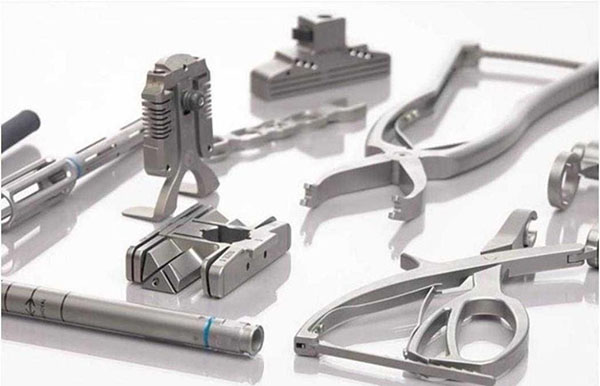
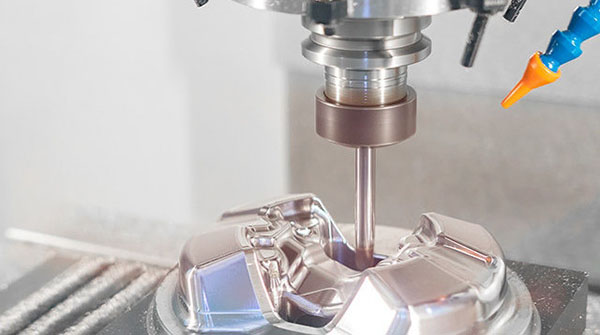
Because CNC machines follow a CAD/CAM program and operate with minimal human intervention, manufacturers can achieve tight tolerances, repeatability, and smooth, sterilizable finishes. For medical applications, where even micron-level deviations can affect safety and functionality, CNC machining medical components provide a foundation of reliability.
Below I explore key aspects of CNC machining for medical devices, medical parts and medical components — why it is indispensable, what benefits it offers, and what kinds of medical applications it serves.
The Core Benefits of CNC Machining for Medical Industry
Precision, Accuracy, Repeatability
One of the most critical advantages of CNC machining for medical use is its ability to meet extremely tight tolerances. Medical parts often must conform to exact dimensions so that implants, orthopedic parts, or surgical tools fit together perfectly and function reliably. CNC machining can typically achieve tolerances as strict as ±0.001 inches (≈ ±0.025 mm) or even tighter, and the repeatability ensures that each piece is virtually identical.
This precision is especially important in implantable medical components or surgical instruments — where even minor variation can lead to failure, improper fit, or patient risk. The consistent accuracy delivered by CNC machining medical parts supports patient safety and device performance.
Material Versatility & Biocompatibility
Another major benefit of CNC machining medical components is its compatibility with a wide range of materials. Manufacturers can choose from medical-grade metals (like stainless steel, titanium alloys), biocompatible plastics (e.g. PEEK), or other materials suitable for sterilization and implantation.
This material flexibility allows medical device makers to match material properties (strength, corrosion resistance, biocompatibility) to the application — whether it’s a load-bearing implant, a sterile surgical instrument, or a diagnostic housing. CNC machining for medical industry thus supports both implantable devices and external medical tools in one unified manufacturing approach.
Customization, Prototyping, and Low-Volume Production
Medical manufacturing often demands custom or patient-specific parts — such as implants tailored to a patient’s anatomy, prosthetics, or specialized surgical instruments. CNC machining enables efficient customization without requiring expensive tooling. Since CNC works from digital CAD/CAM files, the same setup can produce a single custom part or many identical parts — with no minimum order volume constraints.
In addition, CNC machining medical devices supports rapid prototyping and iterative design. When a new implant or device is being developed, designers can quickly produce a prototype, test fit or functionality, iterate the design, and re-machine — all without long lead times or costly molds. This agility accelerates innovation in the medical industry.
Surface Finish, Sterilization & Regulatory Compliance
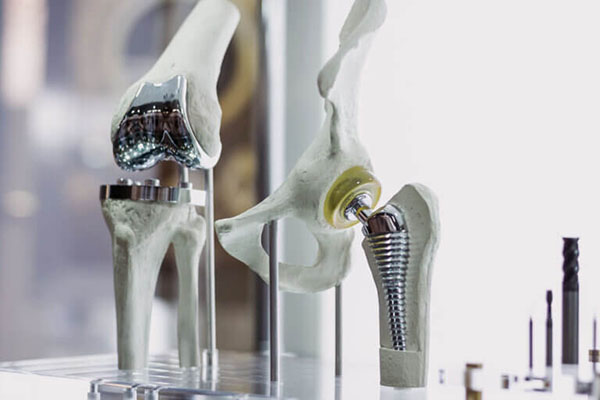
For parts used in medical and surgical contexts, surface finish is critical. CNC-machined medical components can be polished, passivated, bead-blasted, or otherwise treated to ensure smooth, burr-free surfaces that minimize risk of tissue irritation, infection, or contamination.
Moreover, CNC machining processes and documentation support regulatory compliance — e.g. with ISO or FDA standards — because each step can be tracked, repeated, and controlled precisely. This traceability ensures that medical devices meet stringent quality and safety requirements before entering clinical use.
Applications: What CNC Machining Medical Devices & Components Look Like
The scope of CNC machining medical reaches across many types of devices and components. Typical applications include:
- Surgical instruments: scalpels, forceps, clamps, laparoscopic tools — requiring sharpness, ergonomic design, and sterilizable surfaces.
- Orthopedic implants & prosthetics: bone screws, spinal cages, artificial joints (hip, knee), plates — often machined from titanium or surgical stainless steel to match anatomical shape and strength requirements.
- Dental implants and tools: crowns, abutments, implant housings — requiring biocompatible materials and precise fit.
- Diagnostic & equipment housings: components for diagnostic devices, imaging machines, lab instruments — often requiring complex geometries, precise alignment, and sterilizable materials.
- Customized patient-specific components: prosthetics, anatomical implants, custom surgical tools — enabling personalized medicine and improved patient outcomes.
In other words, cnc machining medical parts, cnc machining medical components, and precision machining medical device manufacturing are the backbone of delivering safe, reliable, and high-performance medical equipment and implants.
Why “CNC Machining for Medical Industry” Keeps Growing
The demand for medical devices continues to rise globally, driven by aging populations, advances in surgical techniques, personalized medicine, and regulatory pushes for high-quality care. To meet this demand, manufacturers must produce devices that are safe, precise, biocompatible, and customizable — requirements that align perfectly with the capabilities of CNC machining.
Thanks to its flexibility — from small prototyping runs to scalable mass production — CNC machining supports rapid innovation and quality control. When a new device design emerges (say a novel implant or minimally invasive surgical tool), engineers can quickly prototype, test, refine, and then ramp up production — all using CNC processes without requiring costly tooling or molds. This agility reduces time-to-market and enables faster delivery of medical innovations to patients.
Moreover, as regulatory standards tighten, the traceability, documentation, and reproducibility inherent in CNC manufacturing become a major advantage. Every part can be traced from raw material batch to final inspection, surface finish, and serial number. This level of control helps manufacturers meet FDA, ISO and other medical-grade requirements, crucial for patient safety and liability.
For companies like Xavier — a hypothetical brand name in this context — embracing CNC machining for medical devices means positioning themselves at the forefront of medical manufacturing, capable of delivering implants, surgical instruments, prosthetics, and diagnostic components that meet the highest standards.
Challenges and Considerations
While CNC machining offers many benefits, medical manufacturers must still carefully manage several aspects:
- Material selection: Choosing the right biocompatible materials (titanium, medical-grade stainless steel, PEEK, etc.) depending on implantable vs non-implantable use. Improper material choice can compromise biocompatibility or sterilization.
- Surface finishing and cleaning: Medical parts often require additional surface treatments (polishing, passivation, bead blasting) to ensure smooth, sterilizable surfaces, especially for implants or surgical instruments.
- Regulatory documentation: Full traceability, quality inspections (CMM, FAI), batch records, and compliance with standards (e.g. ISO 13485) are mandatory.
- Design complexity: Highly customized or patient-specific parts demand careful CAD/CAM design, sometimes multi-axis (3-/4-/5-axis) machining to achieve complex geometries, which requires skilled engineers and precise programming.
Despite these challenges, the advantages make CNC machining the standard choice for producing critical medical devices and components.
Conclusion
In sum, CNC machining for medical — whether for surgical instruments, implants, prosthetics, diagnostic housings, or custom components — is indispensable to modern healthcare manufacturing. The combination of precision, repeatability, material versatility, customization, and regulatory compliance gives CNC machining a unique position as the backbone of medical device production. For any medical manufacturer (including “Xavier”), investing in CNC machining medical parts and components means delivering safe, reliable, and top-quality devices that meet the stringent demands of the medical field and the patients who depend on them.
Xavier is a professional manufacturer offering cnc machining for medical and a wide range of precision CNC outsourcing services. Our capabilities cover various metals and plastics, including CNC aluminum machining, CNC stainless steel machining, CNC magnesium alloy machining, CNC acrylic machining, CNC ABS machining, CNC plastic machining, ensuring high stability, fast turnaround, and excellent consistency in every project. We also specialize in precision component manufacturing for multiple industries, such as CNC robotics parts machining, CNC aerospace parts machining, CNC marine components machining, CNC automotive parts machining, CNC medical parts machining, delivering tight tolerances and reliable performance for demanding applications. No matter the complexity, our cnc machining for medical services maintain top-tier compatibility and accuracy. To support diverse production needs, Xavier provides advanced machining services, including 5-axis milling services, CNC milling services, CNC turning services, Swiss turning services. For surface finishing, we offer multiple options such as anodizing, electroless nickel plating, zinc electroplating, passivation, electropolishing, and chemical conversion coatings. As a global CNC machining manufacturer, Xavier supports both prototype and mass-production orders. If you’re looking for cnc machining for medical service pricing, feel free to contact us anytime.
Some content in this article is sourced from the internet. If there is any inappropriate content, please contact us for removal.