Choosing a Custom Metal Manufacturing Company — What to Consider
What is Custom Metal Manufacturing — Building Bespoke Metal Solutions
Custom metal manufacturing refers to the process of designing, engineering, and producing metal components or structures based on a client’s unique specifications — instead of relying on mass-produced, off-the-shelf parts.
In custom metal manufacturing, a fabricator (or a “custom metal manufacturing company”) works closely with clients to transform raw metal materials — steel, stainless steel, aluminum, alloys — into finished parts or assemblies that meet precise dimensions, tolerances, structural requirements and often aesthetic or functional criteria.
This process often combines multiple techniques — cutting, machining, welding, forming, fabrication — and may leverage advanced equipment such as CNC machines, laser cutters, presses, or welding stations.
Custom metal manufacturing is essential when standard parts won’t suffice — whether because of unique design constraints, specialized materials, custom sizes, or application-specific requirements.
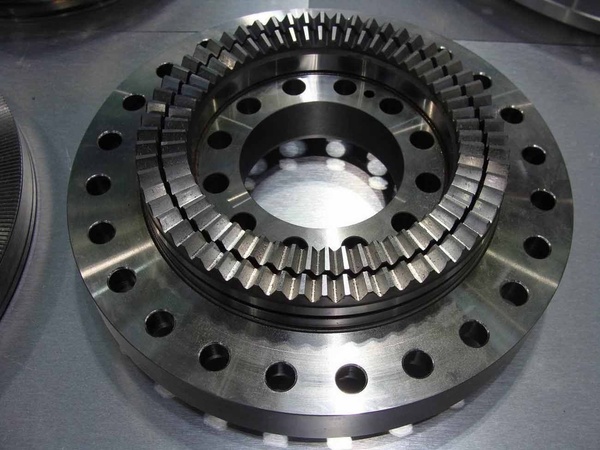
Why Custom Metal Manufacturing Matters — Key Advantages & Benefits
Precision, Fit, and Tailored Design
One of the primary strengths of custom metal manufacturing is the ability to achieve exact fit and precise tolerances. For projects requiring tight dimensional accuracy, structural integrity, or specific assembly constraints, bespoke manufacturing ensures that each component meets the design specifications exactly — avoiding the compromises often required when using off-the-shelf parts.
Moreover, custom manufacturing allows full design flexibility — shapes, sizes, materials, finishes, structural or aesthetic details — enabling parts and assemblies that integrate seamlessly into larger systems or unique architectural/industrial designs.
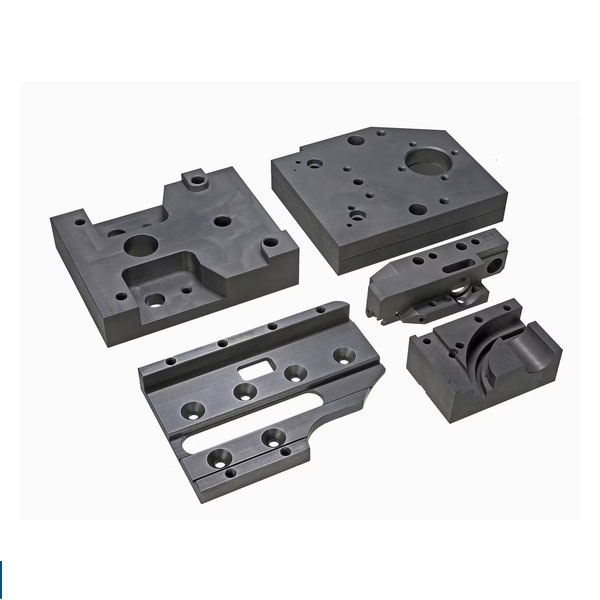
Material & Process Flexibility
Custom metal manufacturing supports a wide variety of metals and alloys — from carbon steel to stainless steel, aluminum, and more — making it suitable for different functional requirements (strength, corrosion resistance, weight, aesthetics).
Because custom metal manufacturing is not constrained by standard catalog parts, fabricators can combine different manufacturing processes (cutting, welding, machining, forming) as needed, ensuring that the chosen process aligns with the project’s technical demands.
Quality, Reliability & Durability
Custom metal fabrication often involves more rigorous quality control, skilled workmanship, and better selection of materials — resulting in durable, reliable components that perform under demanding conditions (industrial machinery, structural elements, heavy load, long-term use).
Compared to mass-produced parts, custom-manufactured components are less likely to suffer from ill-fitting, poor tolerances, or premature wear — giving your project long-term stability.
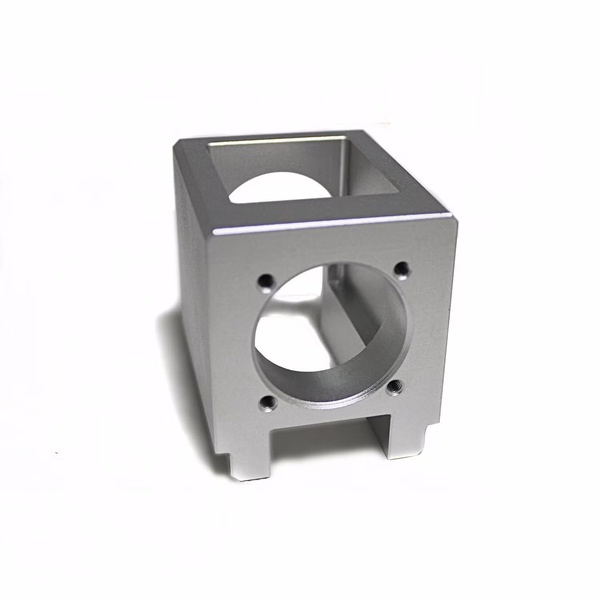
Scalability & Suitability for Different Project Sizes
Whether you need a single custom part, a small batch, or a larger run, custom metal manufacturing offers versatility. Fabricators can adapt to small-volume bespoke jobs (prototypes, repair parts) or full production runs — making it ideal for both one-off projects and ongoing manufacturing needs.
For clients who are still refining designs or testing new products, custom manufacturing allows iterative development — design adjustments, rapid prototyping, and production scaling — without dependence on large minimum order quantities.
Competitive Advantage & Custom Solutions
Choosing custom metal manufacturing over generic parts gives businesses an opportunity to differentiate — offering unique, optimized, and purpose-built metal parts or products. This is especially valuable in sectors like industrial machinery, construction, architecture, specialized equipment, or custom installations.
Custom fabrication also allows for optimized cost-performance ratio over the long run: while initial cost may be higher, better fit, material choice, and reduced need for rework or replacements can deliver overall value.
What the Process Looks Like — How Custom Metal Manufacturing Works
When you engage a custom metal manufacturing company (let’s call it “Xavier” for example), here is a typical workflow:
- Design & Specification
You provide drawings, CAD files or design specs — detailing geometry, material, tolerances, finish, load or structural requirements. - Material Selection & Planning
The fabricator helps choose appropriate metal(s) — stainless steel, carbon steel, aluminum, alloy — based on required strength, corrosion resistance or other project constraints. - Manufacturing / Fabrication
The shop uses metal cutting, machining, welding, forming, or other methods as needed. This may include CNC machining, laser cutting, bending, welding, assembly — depending on part complexity. - Quality Control & Testing
Precise measuring, inspection, possibly stress testing or finishing checks to ensure components meet required specifications before delivery. - Finishing & Assembly (if needed)
Surface finishing, coating, treating; assembly of multi-part structures; polishing, painting, plating depending on use-case (structural, aesthetic, functional). - Delivery & Integration
The final product is delivered, ready to be integrated into the larger system — machinery, building structure, equipment, etc.
This process ensures that the result is not just a “metal part,” but a well-engineered, purpose-built component tailored for your needs.
When to Use Custom Metal Manufacturing — Typical Use Cases
Custom metal manufacturing becomes essential when standard off-the-shelf metal parts cannot satisfy project requirements. Common scenarios include:
- Industrial or Heavy-duty Machinery & Equipment: Custom frames, housings, structural parts, gear supports, fixtures — where strength, precision, and customized dimensions matter.
- Structural or Architectural Projects: Custom metal components for building frames, support beams, railings, metal structures, unique architectural metalwork.
- Prototyping & Product Development: Early-stage prototypes or small batch runs where design flexibility and customization is required before mass production.
- Repair or Replacement of Obsolete or Non-standard Parts: When stock parts no longer exist, custom manufacturing can recreate or improve upon original parts.
- Custom Fabricated Products or Unique Installations: Bespoke metal art, custom enclosures, specialized equipment housings, bespoke machine parts, custom fixtures.
In all these cases, custom metal manufacturing offers flexibility, precision, and the ability to meet unique functional, structural or aesthetic requirements — something that mass-produced parts often can’t deliver.
How to Choose a Custom Metal Manufacturing Partner — What to Look For
When searching for a reliable custom metal manufacturing provider (or “custom metal manufacturing co”), consider:
- Comprehensive Capabilities — Machining, cutting, welding, fabrication, finishing — all under one roof. A partner that can handle the full manufacturing cycle is ideal.
- Material Versatility & Quality Control — Ability to work with different metals (steel, stainless steel, aluminum) and maintain high quality and tolerances.
- Flexibility & Scalability — Whether you need a prototype, small batch, or larger run — the shop should be able to scale accordingly without sacrificing quality.
- Design Support & Customization — Good custom metal manufacturing company should collaborate on design, suggest improvements, and tailor fabrication to your needs.
- Reliability, Reputation & Transparency — Reviews, past projects, communication, willingness to walk through the process and ensure expectations are aligned — especially important for larger or critical projects
For example, a hypothetical company “Xavier” could serve as a trusted custom metal manufacturing co — offering end-to-end metal fabrication and machining, material advice, quality inspections, and flexible project scaling to meet client needs.
Local & Practical Considerations — When to Search “Custom Metal Manufacturing Near Me”
If you are located in a particular region or city, you might search for “custom metal manufacturing near me” or “custom metal fabrication near me” to find local providers. Local proximity can present benefits:
- Shorter lead times, easier communication, easier logistical coordination for prototyping or urgent orders.
- Ability to visit the shop, inspect materials or progress, collaborate directly with fabricators on design or adjustments.
- Potential to save on shipping or import costs, especially for heavy or large metal parts.
- Convenience of working with regional regulations, standards or material supply.
Especially for structural, industrial, or custom build projects, working with a nearby custom metal manufacturing company can greatly streamline the process and improve responsiveness.
Conclusion — The Value of Custom Metal Manufacturing in Modern Industry
Custom metal manufacturing is more than just metalwork — it is a tailored manufacturing approach that blends design flexibility, material choice, precision fabrication, and quality control. For projects that demand more than standard metal parts — whether due to size, function, aesthetics, or complexity — custom manufacturing offers unmatched advantages.
Working with a capable custom metal manufacturing company — such as “Xavier” — gives you access to professional fabrication, design collaboration, material expertise, and scalable production. Whether you need one-off prototypes, specialized components, or full-scale production runs, custom metal manufacturing ensures your parts meet exact specifications, deliver performance, and maintain quality.
Xavier is a professional manufacturer specializing in custom metal manufacturing, focusing on high-precision outsourced CNC machining for a wide range of metal and plastic components. We provide machining for CNC aluminum parts、CNC stainless steel parts、CNC magnesium alloy components、CNC acrylic parts、CNC ABS parts and other engineered materials. Our team also supports precision production for sectors such as CNC robotic components, CNC aerospace parts、CNC marine hardware, CNC automotive components, and CNC medical components. Our custom metal manufacturing services deliver high accuracy, fast turnaround, stable quality, and excellent compatibility across diverse applications. We also offer extensive post-processing options including sandblasting, hard anodizing, micro-arc oxidation, grinding, polishing, painting, blackening, electroplating, vacuum coating, chemical plating, phosphating, passivation, silk printing, and textured finishing. We provide the following machining capabilities: • Five-axis milling — 5 axis milling • CNC milling — CNC milling services • CNC turning — CNC turning services • Swiss turning — Swiss turning services Available surface finishing includes: • Anodizing — anodizing • Electroless nickel plating — electroless nickel • Zinc plating, passivation, electro-polishing, and chemical conversion coating. As a global custom metal manufacturing supplier, we offer both prototype and mass-production CNC machining solutions. If you need pricing or want to discuss your project, feel free to contact us.
Some of the images and text in this article are collected and compiled from the internet. If there is anything inappropriate, please contact us for processing.