1/4 Inch Aluminum Plate: Properties, Weight, Alloys, and CNC Machining Applications
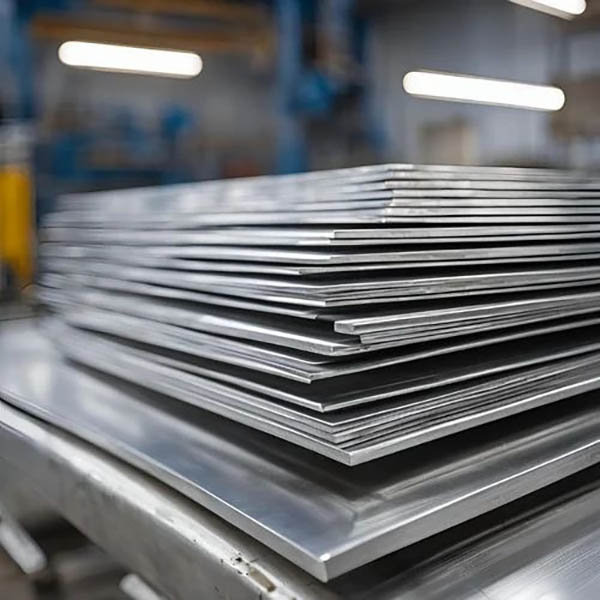
1/4 inch aluminum plate is one of the most widely used aluminum materials in industrial manufacturing. With a thickness of 0.25 inches (6.35 mm), it offers an ideal balance between strength, weight, and machinability, making it suitable for structural parts, CNC machining, automotive components, marine equipment, and architectural structures.
Compared with thinner aluminum sheets, a 1/4-inch plate provides significantly higher rigidity while still remaining lightweight and easy to fabricate. Engineers frequently choose this thickness for applications where moderate structural strength and corrosion resistance are required without the heavy weight of steel.
Below are ten essential technical topics engineers and manufacturers should understand when working with 1/4 inch aluminum plates.
What Is a 1/4 Inch Aluminum Plate?
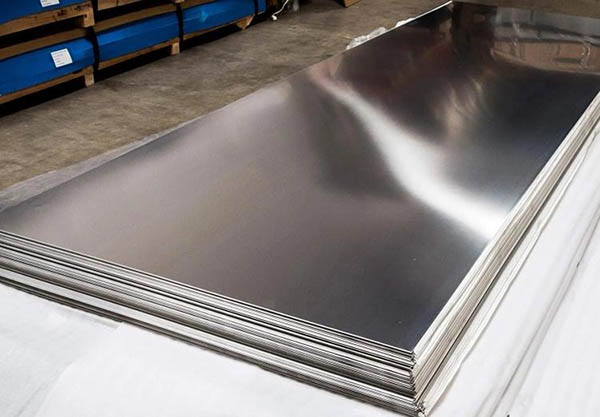
A 1/4 inch aluminum plate refers to an aluminum sheet with a nominal thickness of 0.25 inches (6.35 mm). In the aluminum plate classification system, this thickness is considered a medium-thickness aluminum plate, widely used in structural and industrial applications.
Key basic specifications:
| Parameter | Value |
|---|---|
| Thickness | 0.25 inch |
| Metric equivalent | 6.35 mm |
| Density | ~2.7 g/cm³ |
| Typical standard | ASTM B209 |
Because aluminum has a density about one-third that of steel, a 1/4 inch aluminum plate provides a strong structural material while maintaining lightweight characteristics.
Industries using this plate thickness include:
- CNC machining and mechanical parts
- aerospace structures
- automotive chassis components
- shipbuilding
- construction and architectural panels
Common Alloys Used in 1/4 Inch Aluminum Plate
Several aluminum alloys are commonly available in 1/4-inch thickness. Each alloy provides different mechanical and corrosion-resistance properties.
| Alloy | Strength | Corrosion Resistance | Typical Uses |
|---|---|---|---|
| 6061 | Medium-high | Good | CNC parts, frames |
| 5052 | Medium | Excellent | marine structures |
| 7075 | Very high | Moderate | aerospace components |
| 3003 | Low-medium | Very good | general fabrication |
For example:
- 6061 aluminum plate is the most widely used structural alloy because it offers excellent weldability and machinability.
- 5052 aluminum contains magnesium and provides excellent corrosion resistance in marine environments.
- 7075 aluminum delivers extremely high strength for aerospace applications.
Choosing the correct alloy depends heavily on mechanical load requirements and environmental conditions.
Weight of a 1/4 Inch Aluminum Plate
Understanding plate weight is critical for engineering design, transportation, and structural load calculations.
Typical weight data:
| Plate Size | Weight |
|---|---|
| 1 sq ft | ~3.53 lb |
| 2 ft × 4 ft | ~28.8 lb |
| 4 ft × 8 ft | ~113 lb |
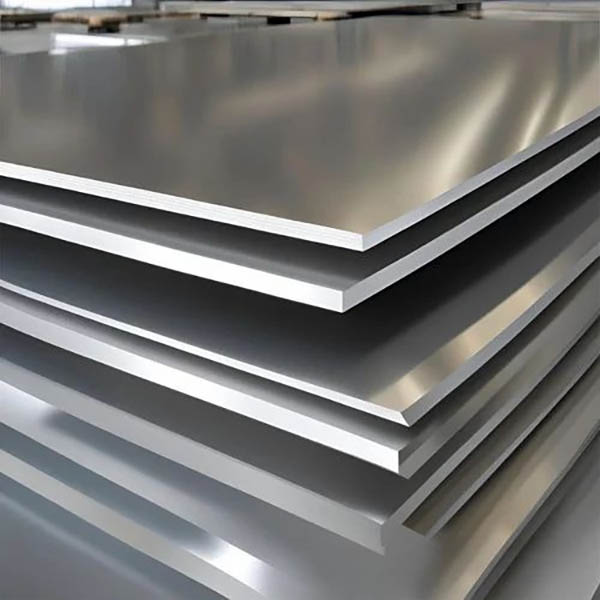
A 1/4 inch aluminum plate weighs approximately 3.53 pounds per square foot, depending slightly on alloy composition.
Weight calculation formula:
Weight (lbs) = Thickness × Width × Length × 0.1
Example calculation:
0.25 × 24 × 48 × 0.1 = 28.8 lb
This lightweight property is one of the main reasons aluminum plates are preferred in transportation and aerospace structures.
Mechanical Strength and Structural Performance
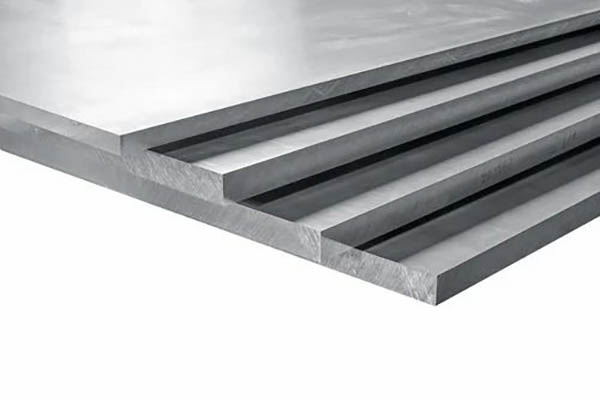
The strength of a 1/4 inch aluminum plate varies depending on alloy and heat treatment.
Typical tensile strengths:
| Alloy | Tensile Strength |
|---|---|
| 6061-T6 | ~45,000 psi |
| 5052-H32 | ~33,000 psi |
| 7075-T6 | ~83,000 psi |
For example, 7075-T6 aluminum can reach tensile strengths over 80,000 psi, making it comparable to some steels while remaining significantly lighter.
This strength-to-weight advantage makes aluminum plate ideal for:
- aircraft structural parts
- racing vehicle components
- lightweight machinery frames
Standard Sheet Sizes and Plate Dimensions
Although aluminum plates can be custom cut, several stock sizes dominate the market.
| Standard Plate Size | Metric Equivalent |
|---|---|
| 4 × 8 ft | 1219 × 2438 mm |
| 4 × 10 ft | 1219 × 3048 mm |
| 5 × 10 ft | 1524 × 3048 mm |
The 4×8 ft sheet is the most common format for fabrication and CNC machining.
Advantages of standard sheet sizes include:
- easier transportation
- reduced material waste
- compatibility with CNC routers and laser cutters
CNC Machining Characteristics of 1/4 Aluminum Plate
From a CNC manufacturing perspective, 1/4 inch aluminum plate offers excellent machining performance.
Key machining properties:
| Property | Performance |
|---|---|
| Chip formation | Good |
| Tool wear | Low-moderate |
| Surface finish | Excellent |
| Machining speed | High |
Alloys like 6061-T6 are widely used because they provide:
- stable cutting behavior
- good dimensional accuracy
- high productivity during milling and drilling
Typical CNC operations include:
- precision milling
- drilling and tapping
- contour cutting
- engraving
Welding and Fabrication Performance
Aluminum plate fabrication often involves welding, bending, and forming operations.
Weldability comparison:
| Alloy | Weldability |
|---|---|
| 6061 | Good |
| 5052 | Excellent |
| 7075 | Poor |
For example:
- 6061 aluminum can be welded using TIG or MIG welding.
- 5052 aluminum is often preferred in marine fabrication due to its corrosion resistance.
Fabrication techniques include:
- CNC waterjet cutting
- plasma cutting
- brake forming
- TIG welding
Surface Finishing Options
A 1/4 inch aluminum plate supports numerous surface finishing methods.
Common finishes:
| Finish | Purpose |
|---|---|
| Anodizing | corrosion resistance |
| Sandblasting | matte surface |
| Brushing | decorative appearance |
| Powder coating | durable protective layer |
For example, CNC aluminum parts are often sandblasted and anodized to create a uniform matte finish before assembly.
Typical Industrial Applications
1/4 inch aluminum plates are widely used across multiple industries.
| Industry | Typical Applications |
|---|---|
| Aerospace | structural panels |
| Automotive | chassis components |
| Marine | boat decks and hull panels |
| Manufacturing | machine frames |
| Construction | architectural cladding |
Due to its combination of strength, corrosion resistance, and lightweight properties, aluminum plate remains one of the most versatile engineering materials.
Design Considerations When Using 1/4 Aluminum Plate
Engineers must consider several factors when designing with aluminum plates.
Key considerations include:
- load distribution
- bending radius
- welding distortion
- thermal expansion
For example:
- thicker plates provide higher stiffness
- alloy selection affects fatigue strength
- machining tolerances influence final assembly precision
Proper engineering design ensures the aluminum plate performs reliably under mechanical loads.
Why Engineers Choose Xavier for Precision Aluminum Plate Machining
At Xavier, we specialize in high-precision CNC machining and fabrication of aluminum plates for demanding industrial applications.
Our manufacturing capabilities include:
- CNC milling for aluminum plate components
- custom cutting of 1/4 inch aluminum sheets
- precision drilling and tapping
- surface finishing and anodizing
- prototype and low-volume production
With advanced CNC equipment and experienced engineers, Xavier delivers high-quality aluminum parts with tight tolerances, excellent surface finish, and reliable structural performance.
If your project requires precision machining of 1/4 inch aluminum plate, Xavier can provide professional manufacturing solutions from prototype to mass production.
Some of the images and text in this article are collected and compiled from the internet. If there is anything inappropriate, please contact us for processing.