
Electroplating Near Me: A Practical Guide to Local Plating Services, Processes, and Industrial Applications
Electroplating is one of the most widely used metal finishing technologies in modern manufacturing. It deposits a thin metal layer onto a base material using an electrochemical process, improving corrosion resistance, wear performance, electrical conductivity, and visual appearance.
When people search for “electroplating near me,” they are typically looking for local metal finishing providers capable of plating parts such as CNC machined components, automotive hardware, electronic connectors, or industrial tools.
For engineers, manufacturers, and product developers, understanding how electroplating works—and what to look for in a plating supplier—can significantly impact product durability and performance.
Below are 10 key technical topics widely discussed in top industry resources and manufacturing guides that will help you understand electroplating services and choose the right provider.
What Electroplating Is and How the Process Works
Electroplating is an electrochemical process that deposits a metal coating onto a conductive surface using electric current. The workpiece acts as the cathode, while the plating metal serves as the anode in an electrolyte solution containing metal ions.
The simplified process flow is:
| Step | Process | Purpose |
|---|---|---|
| 1 | Surface cleaning | Remove oils and contaminants |
| 2 | Acid activation | Remove oxides |
| 3 | Electroplating | Deposit metal layer |
| 4 | Rinsing | Remove plating chemicals |
| 5 | Drying and inspection | Quality control |
During plating, metal ions move through the electrolyte and deposit onto the component surface under electrical current.
Electroplating is commonly used to add coatings such as:
- Nickel
- Chromium
- Zinc
- Copper
- Gold
- Silver
These coatings enhance corrosion resistance, electrical conductivity, and surface hardness.
Why Manufacturers Search for “Electroplating Near Me”
Many manufacturers prefer local electroplating companies because plating is often the final finishing step before product assembly.
Key advantages of nearby plating services include:
| Advantage | Explanation |
|---|---|
| Faster turnaround | Reduced transportation time |
| Lower shipping cost | Heavy metal parts are expensive to ship |
| Easier quality control | Direct inspection and communication |
| Faster prototyping | Rapid iteration with local suppliers |
For example, a CNC machine shop producing aluminum housings may send finished parts to a nearby plating shop for nickel or chrome plating before final assembly.
Local plating also helps maintain tighter production schedules for industries such as automotive and aerospace.
Common Electroplating Metals and Their Industrial Uses
Different plating metals provide different functional benefits.
| Plating Metal | Key Properties | Typical Applications | Typical Thickness |
|---|---|---|---|
| Zinc | Excellent corrosion protection | Automotive fasteners | 5–25 µm |
| Nickel | Wear resistance and corrosion barrier | Electronics, machinery | 5–50 µm |
| Chromium | Extreme hardness and low friction | Hydraulic shafts | 0.1–500 µm |
| Copper | High electrical conductivity | PCB manufacturing | 5–40 µm |
| Gold | High conductivity and corrosion resistance | Connectors | 0.1–5 µm |
| Silver | Highest electrical conductivity | RF components | 2–10 µm |
Each metal serves a specific engineering purpose depending on the application.
For instance:
- Zinc plating protects steel fasteners from rust.
- Nickel plating enhances wear resistance.
- Chromium plating provides high hardness and decorative shine.
Electroplating Thickness and Performance Requirements
Plating thickness is one of the most important parameters in electroplating design.
Typical nickel plating thickness ranges from 3–5 µm for light-duty applications up to 50–70 µm for severe environments.
Below is a simplified engineering reference table.
| Environment | Typical Nickel Thickness |
|---|---|
| Indoor electronics | 5–10 µm |
| Industrial equipment | 15–30 µm |
| Outdoor hardware | 30–50 µm |
| Marine environment | 50–70 µm |
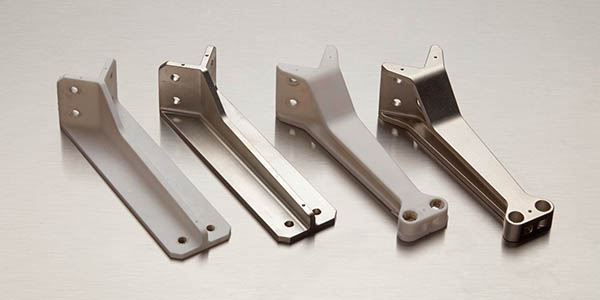
Engineers must consider plating thickness during machining because coatings can affect dimensional tolerances.
Example:
A 10 µm plating thickness reduces hole diameter by 20 µm after coating.
Key Process Parameters That Affect Plating Quality
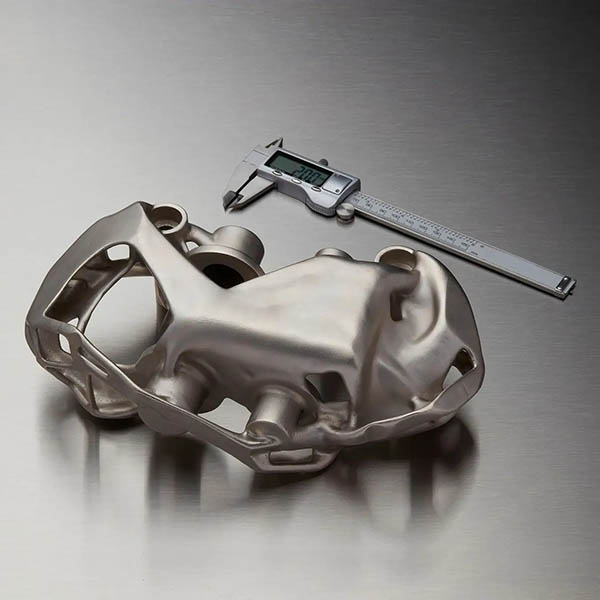
Electroplating quality depends heavily on process control.
Important variables include:
| Parameter | Typical Range |
|---|---|
| Voltage | 1–6 V |
| Temperature | 20–60°C |
| Current density | 1–6 A/dm² |
| pH value | Depends on metal chemistry |
Low current density produces smooth deposits, while excessive current may cause rough surfaces or “burning.”
Proper agitation and electrode spacing are also essential to avoid defects like pitting and uneven coating.
Professional electroplating facilities continuously monitor these parameters using automated systems.
Decorative vs Functional Electroplating
Electroplating can serve two different purposes.
Decorative Plating
Focuses on appearance and corrosion resistance.
Examples:
- automotive trim
- bathroom fixtures
- consumer electronics
Typical decorative chrome plating thickness:
| Layer | Thickness |
|---|---|
| Nickel underlayer | 5–15 µm |
| Chrome top layer | 0.8–2 µm |
Functional Plating
Designed for mechanical performance.
Applications include:
- hydraulic cylinders
- injection molds
- industrial shafts
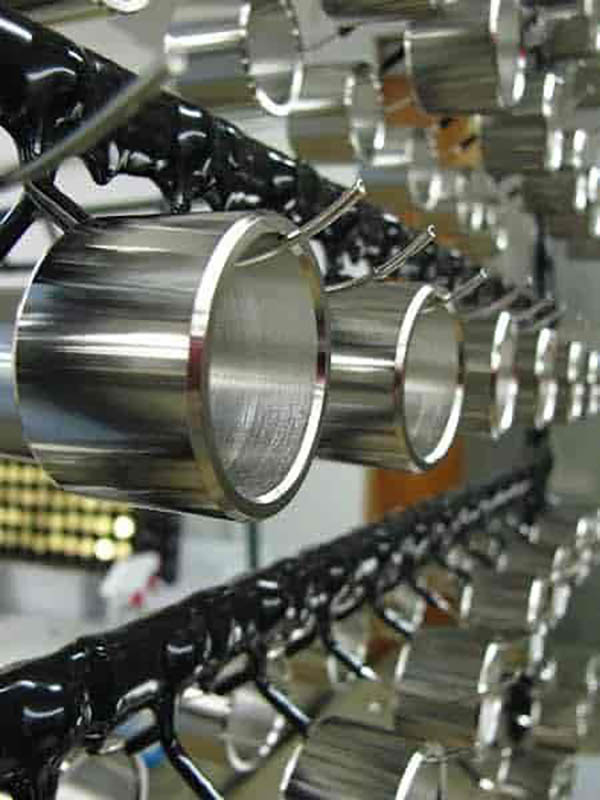
Functional chrome coatings may reach 5–200 µm thickness depending on wear requirements.
Electroplating in CNC Machining Manufacturing
In CNC machining, electroplating is often used as a secondary finishing process.
Typical manufacturing workflow:
| Step | Process |
|---|---|
| 1 | CNC machining |
| 2 | Deburring |
| 3 | Surface polishing |
| 4 | Electroplating |
| 5 | Final inspection |
Electroplating improves:
- corrosion resistance
- wear resistance
- electrical conductivity
- product aesthetics
For example:
CNC-machined brass connectors are often nickel plated and gold plated to improve signal conductivity and corrosion resistance.
How to Choose a Reliable Electroplating Service Near You
When selecting a plating provider, manufacturers should evaluate several factors.
| Factor | Why It Matters |
|---|---|
| Certification | ISO or industry compliance |
| Process capability | Types of plating available |
| Quality control | Thickness testing and adhesion testing |
| Environmental compliance | Waste treatment regulations |
| Production capacity | Batch size and turnaround time |
Reputable electroplating shops also perform:
- adhesion testing
- thickness measurement
- corrosion testing
- salt spray testing
These inspections ensure plating durability.
Typical Electroplating Defects and Solutions
Even experienced plating operations may encounter defects.
| Defect | Cause | Solution |
|---|---|---|
| Rough surface | High current density | Reduce current |
| Pitting | Gas bubbles or contamination | Improve agitation |
| Peeling coating | Poor surface preparation | Improve cleaning |
| Uneven thickness | Improper part geometry | Adjust electrode spacing |
Maintaining bath chemistry and controlling impurities is critical for consistent plating quality.
Cost Factors for Electroplating Services
The cost of electroplating depends on several variables.
| Cost Factor | Impact |
|---|---|
| Plating metal | Gold and silver are expensive |
| Thickness requirement | Thicker coatings require more time |
| Part complexity | Complex geometry increases labor |
| Batch size | Larger batches reduce unit cost |
| Surface preparation | Additional polishing increases cost |
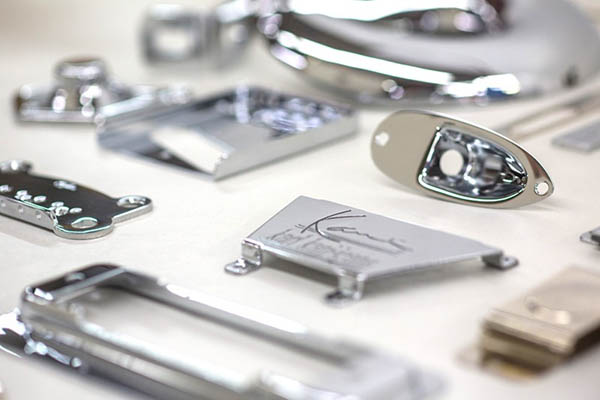
Typical industrial plating costs range from $0.05 to several dollars per part, depending on these factors.
Why Manufacturers Choose Xavier for Electroplated CNC Parts
For manufacturers looking for electroplating services combined with precision CNC machining, working with an integrated supplier simplifies production and quality control.
Xavier specializes in manufacturing precision metal parts with professional finishing services, including electroplating.
Advantages of working with Xavier include:
- Precision CNC machining capabilities
- Reliable electroplating partners
- Strict dimensional tolerance control
- Surface finishing expertise
- Consistent quality inspection standards
From automotive hardware to aerospace components and electronic connectors, Xavier helps customers produce durable and high-performance plated parts ready for global markets.
If you are searching for electroplating services for CNC machined parts, Xavier provides a reliable manufacturing solution with integrated finishing capabilities.
Some of the images and text in this article are collected and compiled from the internet. If there is anything inappropriate, please contact us for processing.