Aluminum machining suppliers specialize in producing precision aluminum components using CNC milling, turning, and multi-axis machining systems. These suppliers support industries such as aerospace, robotics, automotive, electronics, and medical devices where lightweight, high-strength parts are required.
Aluminum is one of the most widely used engineering metals in CNC machining because of its excellent machinability, high strength-to-weight ratio, and corrosion resistance. Compared with steel, aluminum parts can weigh 30–50% less while still delivering strong mechanical performance.
Professional aluminum machining suppliers typically provide:
- CNC milling and turning
- rapid prototyping
- low-volume and mass production
- surface finishing
- quality inspection and assembly
The following sections explain the most important aspects of aluminum machining supply chains.
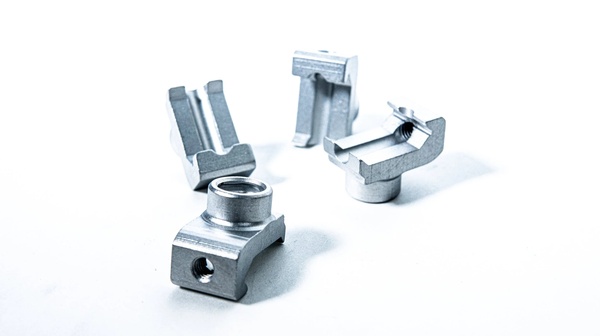
What an Aluminum Machining Supplier Actually Does
An aluminum machining supplier converts aluminum raw material such as billets, plates, or extrusions into finished mechanical parts using CNC machines.
Typical workflow:
| Manufacturing Stage | Description |
|---|---|
| Engineering review | CAD drawings and tolerances evaluated |
| Material preparation | Aluminum bar, plate, or billet cut |
| CNC machining | Milling, turning, drilling, tapping |
| Surface finishing | Anodizing, polishing, coating |
| Quality inspection | CMM measurement and tolerance verification |
Modern suppliers operate 3-axis, 4-axis, and 5-axis CNC machines, allowing them to produce complex parts with high dimensional accuracy.
These suppliers serve both:
- prototype development
- large-scale production manufacturing
Why Aluminum Is Ideal for CNC Machining
Aluminum offers several properties that make it particularly suitable for precision machining.
Key Mechanical Advantages
| Property | Aluminum | Steel |
|---|---|---|
| Density | ~2.7 g/cm³ | ~7.8 g/cm³ |
| Weight | 30–50% lighter | Heavy |
| Machinability | Excellent | Moderate |
| Corrosion resistance | Natural oxide layer | Often needs coating |
The natural oxide layer formed on aluminum surfaces helps prevent corrosion without additional coatings.
Tooling Efficiency
Because aluminum is relatively soft (around 95–150 Brinell hardness), cutting tools experience less wear, significantly extending tool life.
This allows:
- higher spindle speeds
- faster feed rates
- lower machining costs
Common Aluminum Alloys Used in CNC Machining
Different aluminum alloys provide different mechanical properties, machinability, and cost structures.
Aluminum Alloy Comparison
| Alloy | Tensile Strength | Machinability | Typical Applications |
|---|---|---|---|
| 6061 | ~310 MPa | Excellent | Structural components |
| 7075 | ~572 MPa | Moderate | Aerospace parts |
| 2024 | 400–500 MPa | Good | Aircraft structures |
7075 aluminum can reach nearly twice the tensile strength of 6061, making it ideal for high-load aerospace components.
However, 6061 remains the most commonly machined aluminum alloy because it balances:
- strength
- corrosion resistance
- machining efficiency

CNC Machining Processes Used by Aluminum Suppliers
Aluminum machining suppliers typically rely on multiple CNC processes.
CNC Machining Methods
| Process | Purpose |
|---|---|
| CNC Milling | Complex 3D geometry |
| CNC Turning | Cylindrical parts |
| Drilling | Holes and threads |
| 5-Axis Machining | Complex aerospace parts |
| Swiss machining | Small precision components |
Multi-axis machining enables manufacturers to produce intricate geometries while maintaining tight tolerances.
Example aluminum components produced using these methods include:
- drone frames
- electronic housings
- automotive brackets
- robotic structural components
Precision and Tolerance Capabilities
Precision is one of the most important performance indicators for an aluminum machining supplier.
Typical tolerance ranges:
| Tolerance Level | Accuracy |
|---|---|
| General CNC tolerance | ±0.1 mm |
| Precision machining | ±0.02 mm |
| Ultra-precision machining | ±0.005 mm |
These tolerance levels are commonly used for aerospace, automotive, and medical components.
Suppliers maintain accuracy using:
- CMM inspection
- digital measuring systems
- controlled machining parameters
Production Lead Time and Capacity
One major advantage of CNC aluminum machining is rapid production capability.
Typical lead times:
| Production Type | Lead Time |
|---|---|
| Prototype | 3–5 days |
| Low volume production | 7–15 days |
| Large batch production | 3–6 weeks |
Many suppliers can ship prototype aluminum parts within 3–7 days depending on complexity.
Fast turnaround is particularly important for:
- product development
- hardware startups
- engineering testing
Design for Manufacturability (DFM) for Aluminum Parts
Good aluminum machining suppliers provide engineering feedback to improve manufacturability.
Typical DFM Improvements
| Design Issue | Recommended Solution |
|---|---|
| Deep cavities | Reduce depth ratio |
| Sharp internal corners | Add radius |
| Thin walls | Increase thickness |
| Complex setups | Combine operations |
Example:
A drone housing originally designed with 0.3 mm wall thickness may warp during machining. Increasing thickness to 1.0 mm improves structural stability and reduces machining risk.
These small design changes can significantly reduce cost and machining time.
Surface Finishing for Aluminum Machined Parts
Surface finishing improves both performance and appearance.
Common Aluminum Surface Treatments
| Finish Type | Purpose |
|---|---|
| Anodizing | Corrosion resistance |
| Hard anodizing | Wear resistance |
| Sandblasting | Matte appearance |
| Powder coating | Durable coating |
| Polishing | Decorative finish |
Anodizing is especially popular because it increases corrosion resistance while allowing colored finishes.
Industry Applications of Aluminum Machining
Aluminum machining suppliers serve many advanced industries.
Major Industrial Applications
| Industry | Example Aluminum Parts |
|---|---|
| Aerospace | aircraft brackets |
| Automotive | suspension components |
| Robotics | structural frames |
| Electronics | heat sinks |
| Medical | instrument housings |
High-performance aluminum alloys such as 7075 are widely used for aircraft components and high-stress mechanical parts.
The combination of lightweight structure and high strength makes aluminum indispensable in modern engineering.

How to Choose a Reliable Aluminum Machining Supplier
Selecting the right machining partner directly affects product quality and delivery reliability.
Key Selection Criteria
| Factor | What to Check |
|---|---|
| Equipment | 3/4/5 axis CNC machines |
| Quality system | ISO certification |
| Inspection | CMM measurement capability |
| Materials | Full aluminum alloy support |
| Experience | Industry expertise |
A reliable supplier should also provide:
- engineering consultation
- flexible production volume
- transparent communication
Why Xavier Is a Trusted Aluminum Machining Supplier
When companies require precision aluminum components, choosing a capable manufacturing partner is essential.
Xavier is a professional aluminum machining supplier specializing in custom CNC machining for global customers.
Key advantages include:
- advanced 3/4/5 Axis CNC machining centers
- expertise in aluminum alloys including 6061, 7075, 2024
- precision tolerance control for complex components
- rapid prototyping and small-batch production
- full surface finishing services including anodizing and polishing
Whether you need prototype aluminum parts, custom CNC aluminum components, or high-precision structural parts, Xavier provides reliable solutions with stable quality and competitive pricing.
Working with an experienced aluminum machining supplier like Xavier helps companies shorten development cycles and bring high-performance products to market faster.
Some of the images and text in this article are collected and compiled from the internet. If there is anything inappropriate, please contact us for processing.