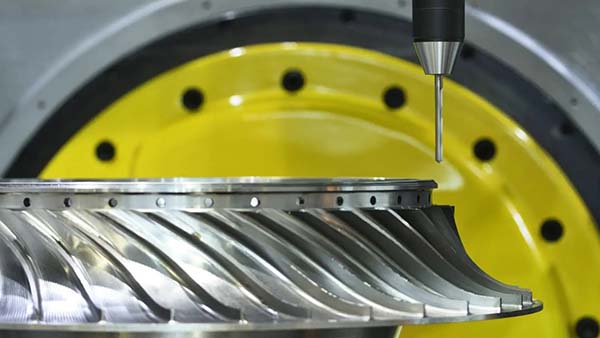
What Precision Metal Machining Is and Its Core Definition
Precision metal machining is a subtractive manufacturing process in which machinery, often computer-controlled, removes material from metal workpieces with extremely tight tolerances and high repeatability. Unlike traditional manual methods, precision machining relies heavily on CNC (Computer Numerical Control) systems which follow programmed instructions to create parts that meet exact specifications, often down to microns. This capability is essential for industries where even slight deviations can lead to functional failure, such as aerospace or medical implants. By tightly controlling each axis movement of the cutting tool and workpiece, manufacturers can achieve not just accuracy in size but consistency from the first to the thousandth part produced.
The process typically starts with a digital design (CAD), followed by toolpath programming (CAM), and then machining on equipment like CNC mills, lathes, drills, or grinders. Precision machining is as much about the software control and process planning as it is about the physical cutting, making it a blend of engineering and manufacturing science.
Key Precision Machining Processes and Their Roles
Precision metal machining includes a suite of core processes — each selected based on part geometry, tolerance requirements, and material characteristics. These include milling, turning, grinding, and electrical discharge machining (EDM):
| Process | Typical Use | Tolerance Range | Surface Finish |
|---|---|---|---|
| CNC Milling | Complex 3D profiles | ±0.001–0.005″ | 0.8–3.2 µm |
| CNC Turning | Cylindrical shapes | ±0.0005–0.005″ | 0.4–1.6 µm |
| Grinding | Ultra-tight tolerance finishing | ±0.0001–0.0005″ | 0.1–0.4 µm |
| EDM | Hard materials / complex features | ±0.0002–0.001″ | 0.1–3.2 µm |
These processes are chosen not just for dimension control but also for achieving desired surface integrity — a key requirement in precision applications where friction, wear, or sealing surfaces must perform reliably over time.
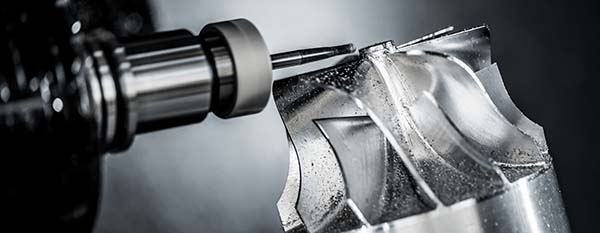
Material Selection: How Metals Influence Machining Outcomes
Choosing the right material for precision metal machining is both strategic and technical, as each metal behaves differently during cutting operations and impacts final part performance.
Common metals and their advantages:
- Aluminum Alloys (6061, 7075): Lightweight, corrosion-resistant, and easy to machine — ideal for aerospace brackets, housings, and thermal applications.
- Stainless Steel (304, 316): Excellent corrosion resistance for medical devices, marine parts, and food processing equipment — requires optimized cooling to avoid work hardening.
- Titanium (Ti-6Al-4V): High strength-to-weight ratio and biocompatibility, quintessential for implants and aero hardware but generates heat that must be managed.
- Superalloys (Inconel): Outstanding performance under extreme temperature and stress, crucial for turbine and combustion components — these materials require specialized tooling and feeds.
- Brass/Copper: High thermal/electrical conductivity, used in connectors and thermal interfaces.
Material choice not only dictates tooling and machine strategy but also affects thermal distortion, work hardening behavior, and achievable tolerances, all of which are critical to precision outcomes.
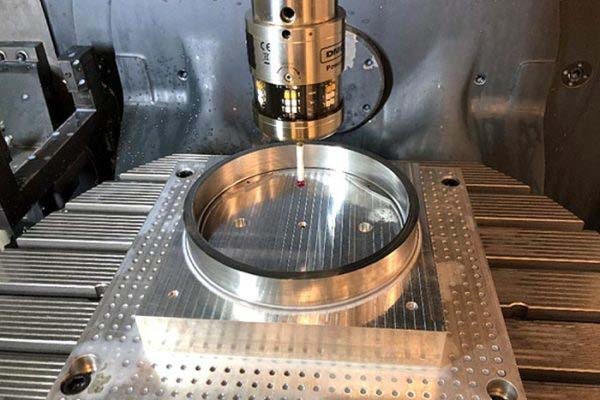
Tight Tolerances and Surface Quality: What They Mean in Practice
Tolerance — the allowable variation from a specified dimension — is at the heart of precision machining. Unlike general fabrication where ±0.005 inch might suffice, precision machining regularly holds tolerances down to ±0.0001–±0.0005 inch (±0.0025–±0.0127 mm) depending on the function of the part and manufacturing method used.
Equally important is surface finish, measured in Ra (roughness average). A smoother surface (e.g., Ra < 0.4 µm) reduces friction and extends service life in dynamic assemblies such as bearings or hydraulic pistons. Achieving these finishes often requires grinding or superfinishing operations after initial cutting.
Geometric tolerancing (GD&T) allows engineers to define not just size limits but also allowable variations in shape, orientation, and position — for example, concentricity, flatness, and cylindrical form — which can make or break assembly performance in high-end systems.
CNC Technology: The Heart of Precision Control
In precision machining, CNC (Computer Numerical Control) technology replaces manual motion with digital control. A CAD model is translated into a precise sequence of movements via CAM software, allowing machines to consistently execute cuts with minimal human variability.
Modern CNC platforms — especially multi-axis (4-axis and 5-axis) machines — can handle complex geometries in a single fixture setup, greatly reducing error sources and cycle time. This integration between hardware and software also enables advanced operations like simultaneous milling, drilling, and contouring with micron-level positional accuracy.
Automation systems such as bar feeders, robotic part handling, and real-time process monitoring further enhance throughput while maintaining quality, making CNC precision machining equally suited for small batches and high-volume runs.
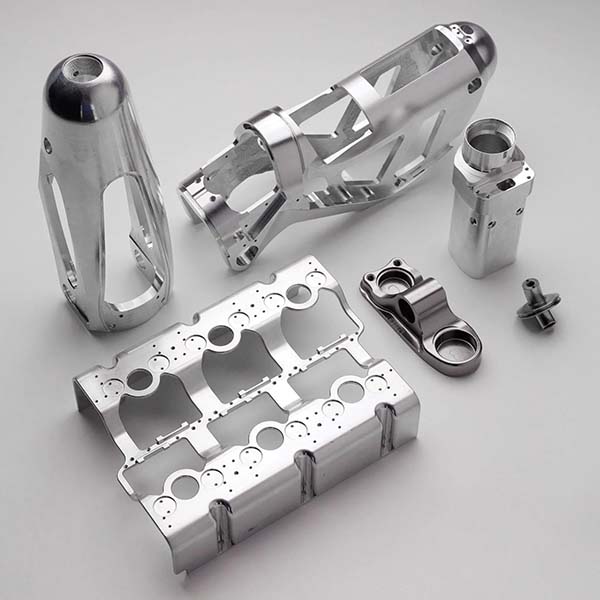
Quality Control: Tools and Methods That Ensure Precision
Quality control in precision machining is rigorous and multifaceted. Manufacturers employ advanced metrology equipment to verify each dimension and finish:
- Coordinate Measuring Machines (CMM): Provide 3D inspection of part geometry with high accuracy.
- Surface Profilometers: Measure surface roughness and texture.
- Calipers and Micrometers: Rapid checks for critical dimensions.
Inspection often occurs at multiple stages — in-process checks ensure stable machining conditions, while final inspection validates readiness for assembly. Managing quality also involves robust documentation and compliance with standards like ISO 9001, ensuring traceability from raw material to finished component.
Industry Applications: Where Precision Machining Excels
Precision machining plays a pivotal role across several high-performance sectors due to its ability to deliver components that meet exact specifications:
Aerospace: Structural parts, engine components, and landing gear parts must conform to extremely tight tolerances to ensure flight safety and aerodynamic reliability.
Medical Devices: Surgical instruments, orthopedic implants, and diagnostic hardware rely on biocompatible materials and precision surfaces for performance and patient safety.
Automotive: Engine components, transmission parts, and safety system hardware benefit from precise fits and durable finishes to improve performance and efficiency.
Electronics: Connectors, housings, and heat sinks require micro-scale precision to support miniaturization and functional reliability.
Each sector not only demands precision but often requires complementary surface treatments such as anodizing, heat treating, or plating to enhance durability, corrosion resistance, or aesthetic quality.
Challenges in Precision Metal Machining and How to Overcome Them
Precision metal machining isn’t without challenges. Thermal expansion, tool wear, and residual stress in materials like aluminum or titanium can shift dimensions significantly during or after machining. Strategies to mitigate these include stress-relief cycles, thermal compensation programming, and careful sequencing of roughing/finishing passes to control heat buildup.
Burr formation at edges is another common issue, especially in aerospace or medical parts where sharp edges or unfinished burrs are unacceptable. Advanced deburring methods — including electrochemical deburring or controlled micro chamfering — are often used to meet stringent finish requirements.
Moreover, part clamping and fixturing are critical; poorly designed fixtures can lead to vibration, displacement, or distortion, undermining the very precision that the machining process aims to achieve. Proper fixture design ensures stability, repeatability, and optimal cutting conditions across batches.
Why Precision Machining Still Matters in Modern Manufacturing
In an era of additive manufacturing and 3D printing, precision metal machining remains indispensable for producing parts that demand strength, surface integrity, and high-performance requirements. Machining from solid stock preserves material grain structure and typically yields parts with fewer defects than some additive techniques.
Additionally, a single CNC program can serve both prototype runs and full production batches, meaning companies can shift seamlessly from design validation to scaled manufacture without sacrificing quality or incurring major setup costs.
Xavier as a Trusted Precision Machining Partner
For businesses that require precision, accuracy, and reliability in metal machining, Xavier is a standout partner. With state-of-the-art CNC equipment, ISO-aligned quality systems, and experienced engineers, Xavier delivers parts that meet stringent industrial standards — from aerospace brackets to medical implant components. Their expertise in material selection, process optimization, and multi-axis machining ensures components perform exactly as designed, with consistent quality batch after batch. If your products depend on precision and repeatability, Xavier’s machining capabilities provide a competitive edge in speed, cost-efficiency, and performance.
Some of the images and text in this article are collected and compiled from the internet. If there is anything inappropriate, please contact us for processing.