
Medical Device Precision Machining: Engineering Accuracy for Life-Critical Applications
Medical Device Precision Machining Overview
Medical device precision machining refers to the manufacturing of highly accurate components used in surgical instruments, implants, diagnostic equipment, and patient-care devices. Unlike general machining, this field demands zero-defect tolerance because any dimensional deviation can directly impact patient safety.
Modern CNC machining enables:
- micron-level accuracy
- repeatability across batches
- compatibility with medical-grade materials
Typical production ranges from prototypes to small-batch manufacturing, especially during clinical validation phases.
Regulatory Standards and Compliance (ISO 13485 & FDA)
Medical machining is heavily regulated to ensure safety, traceability, and consistency.
Key certifications:
| Standard | Description |
|---|---|
| ISO 13485 | Quality management system for medical devices |
| FDA Compliance | U.S. regulatory approval for medical products |
| ISO 10993 | Biocompatibility testing |
| ASTM Standards | Material-specific requirements |
ISO 13485 requires:
- full material traceability
- documented production processes
- risk-based quality management
Manufacturers must provide documentation such as:
- Certificate of Conformance
- First Article Inspection (FAI)
- CMM inspection reports
Without these, parts cannot be approved for clinical or commercial use.
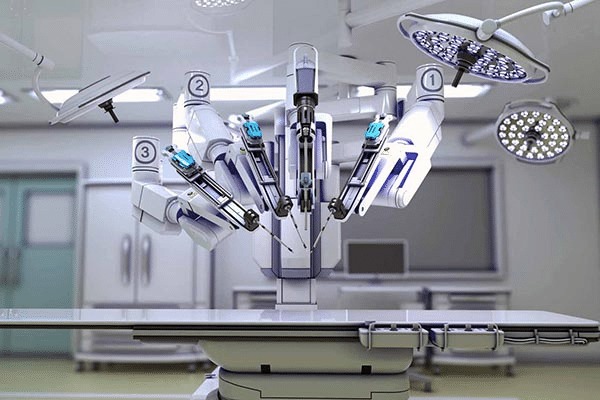
Biocompatible Materials in Medical CNC Machining
Material selection is critical because components often come into direct contact with the human body.
Common medical machining materials:
| Material | Key Properties | Applications |
|---|---|---|
| Titanium (Ti-6Al-4V) | Biocompatible, corrosion-resistant | Implants, bone screws |
| Stainless Steel 316L | High strength, sterilizable | Surgical tools |
| Cobalt Chrome | Wear resistance | Joint implants |
| PEEK | Radiolucent, chemical resistant | Spinal implants |
| Nitinol | Shape memory | Stents |
These materials must comply with strict standards and are often certified for implant use.
Example:
Titanium alloys are widely used because they combine high strength with low density, making them ideal for load-bearing implants.
Ultra-Precision Tolerances and Micro Machining
Medical components often require micron-level precision, far beyond standard industrial machining.
Typical tolerance ranges:
| Device Type | Tolerance |
|---|---|
| Cardiovascular stents | ±0.0001″ (≈2.5 μm) |
| Orthopedic implants | ±0.0005″ |
| Surgical instruments | ±0.0002″ |
| General medical parts | ±0.01 mm |
Even a few microns of deviation can cause failure in devices like stents or implants.
Modern CNC systems can achieve tolerances down to ±0.005 mm or better, depending on geometry and inspection methods.
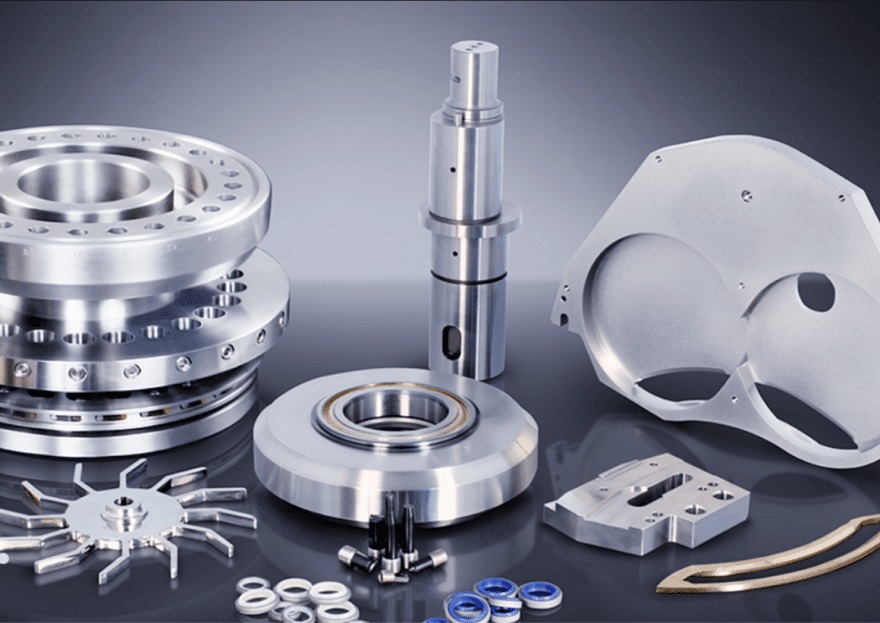
Surface Finish and Sterilization Requirements
Surface finish directly affects:
- biocompatibility
- bacterial adhesion
- wear resistance
Typical surface finish standards:
| Application | Surface Roughness |
|---|---|
| Implants | Ra ≤ 0.4 μm |
| Surgical tools | Ra 0.8 μm |
| General components | Ra 1.6 μm |
Electropolishing and passivation are often used to achieve ultra-smooth finishes and improve corrosion resistance.
Additionally, parts must withstand sterilization processes such as:
- autoclaving (121°C steam)
- gamma radiation
- chemical sterilization
CNC Technologies Used in Medical Machining
Advanced CNC technologies enable the production of highly complex medical components.
Key machining technologies:
| Technology | Application |
|---|---|
| Swiss CNC machining | Small, high-precision parts |
| 5-axis CNC milling | Complex geometries |
| CNC turning | Cylindrical components |
| Micro machining | Miniature medical devices |
Swiss machining is particularly important for:
- bone screws
- pins
- catheter components
Because it allows machining of diameters as small as 0.5 mm with high precision.
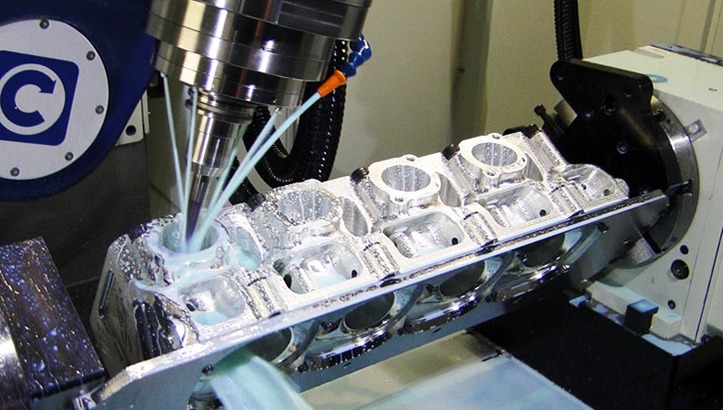
Typical Medical Components Manufactured
Precision machining supports a wide range of medical devices.
Examples include:
| Component | Application |
|---|---|
| Orthopedic implants | Bone repair |
| Surgical instruments | Cutting, gripping |
| Dental implants | Tooth replacement |
| Catheter components | Cardiovascular procedures |
| Diagnostic device housings | Imaging systems |
Many of these components require complex geometries and tight tolerances, making CNC machining the preferred manufacturing method.
Quality Control and Traceability Systems
Quality control in medical machining is far more rigorous than in most industries.
Typical workflow:
- Material certification
- In-process inspection
- CMM measurement
- Final validation
- Documentation & traceability
Inspection tools include:
| Tool | Purpose |
|---|---|
| CMM | High-precision measurement |
| Optical systems | Micro-feature inspection |
| Laser marking | Traceability |
| NDT methods | Defect detection |
Traceability ensures every part can be linked to:
- raw material batch
- machining process
- inspection results
Challenges in Medical Precision Machining
Medical machining presents several unique challenges:
| Challenge | Explanation |
|---|---|
| Tight tolerances | Micron-level accuracy required |
| Difficult materials | Titanium, cobalt chrome |
| Miniaturization | Increasing demand for micro parts |
| Regulatory burden | Strict compliance requirements |
For example, machining titanium generates heat and tool wear, requiring specialized tooling and cooling strategies.
Design for Manufacturability (DFM) in Medical Devices
DFM is essential for balancing performance, cost, and manufacturability.
Key DFM strategies:
- simplify complex geometries
- avoid unnecessary tight tolerances
- design for tool accessibility
- select appropriate materials
Early DFM review can significantly reduce:
- production costs
- lead times
- risk of design failure
Why Choose Xavier for Medical Device Precision Machining
When precision, compliance, and reliability are critical, Xavier stands out as a trusted machining partner for medical device manufacturers.
Xavier’s capabilities include:
- Advanced 3/4/5 Axis CNC machining centers
- Expertise in biocompatible materials (titanium, stainless steel, PEEK)
- Ultra-tight tolerances up to ±0.005 mm
- Strict quality systems aligned with ISO 13485 standards
- Full traceability and inspection documentation
From prototype development to low-volume production, Xavier delivers high-precision, medical-grade components that meet the demanding requirements of modern healthcare applications.
If you are developing next-generation medical devices, Xavier provides the engineering support and manufacturing reliability you need to succeed.
Some of the images and text in this article are collected and compiled from the internet. If there is anything inappropriate, please contact us for processing.