How Custom Metal Works Delivers Precision, Flexibility and Value
What “Custom Metal Works” Means — Turning Metal Into Bespoke Solutions
“Custom metal works” refers broadly to the processes and craftsmanship involved when raw metal — sheet, plate, bar or tube — is transformed through cutting, forming, welding, machining, and finishing into bespoke metal products, parts or structures. Instead of relying on standard mass-produced components, custom metal works deliver tailor-made solutions designed to meet exact specifications, functional requirements, and aesthetic goals.
Companies offering custom metal works employ a variety of fabrication techniques — CNC cutting or laser cutting, bending, welding (MIG, TIG, etc.), metal forming, machining, surface finishing — to realize projects ranging from small brackets or enclosures to large structural frames or decorative installations.
In essence, custom metal works is the bridge between design (or need) and reality — transforming your idea, sketch or CAD model into a functional, durable, customized metal product.
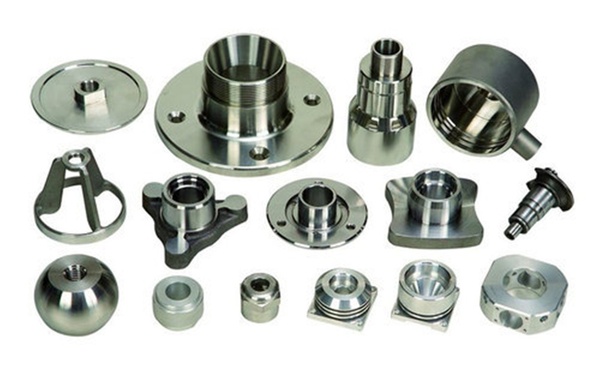
Key Advantages & Core Strengths of Custom Metal Works
Precision, Quality and Fit
One of the biggest strengths of custom metal works lies in precision and craftsmanship. Skilled fabricators use advanced equipment and techniques — including CNC machines, laser cut-ters, correct welding methods, and precise forming — ensuring every piece meets tight tolerances, correct dimensions, and reliable structural integrity.
This precision ensures that custom metal works components fit perfectly in assemblies or installations, reducing on-site adjustments, improving reliability, and enhancing overall performance.
Flexibility & Design Freedom
Custom metal works allows nearly unlimited flexibility in design. Whether you need a complex structural frame, decorative railings, industrial machinery parts, enclosures, or artistic installations — fabricators can adapt metalworking processes to meet design requirements.
This versatility means you aren’t constrained by standard catalog parts — you have freedom to choose material types (steel, stainless steel, aluminum, exotic alloys), finishes, shapes, sizes, and combinations.
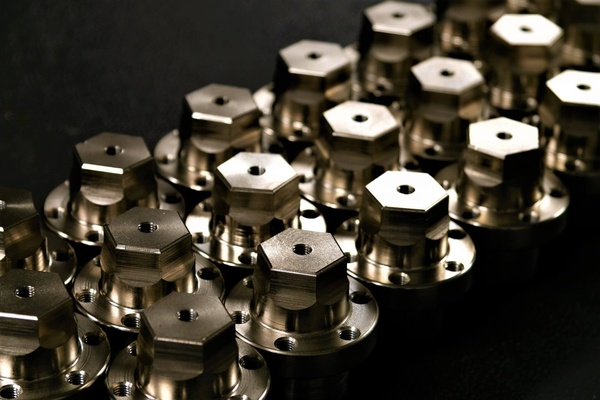
Cost-Effectiveness & Waste Reduction (Especially for Custom or Small Runs)
Although custom metal works may involve more craftsmanship than mass-produced parts, over time it often proves cost-effective — because it reduces waste (material optimized for your design), avoids unnecessary stock parts, and eliminates repeated modifications or adjustments.
For small-batch orders, prototypes, or one-off custom products, custom metal works often offer better value than trying to adapt off-the-shelf metal parts that don’t quite fit the purpose.
Applicability Across Many Industries & Use Cases
Custom metal works supports a wide spectrum of applications:
- Industrial machinery and equipment components — frames, supports, structural parts, custom enclosures.
- Architectural, structural and decorative metalwork — railings, fences, staircases, facades, unique metal elements.
- Manufacturing or custom production — custom housings, parts, assemblies for manufacturing, electronics, medical devices, or consumer products.
- Repair, customization or retrofit of existing structures or machinery — when standard parts are unavailable.
Full-Service Capability — From Concept to Finished Product
A capable custom metal works provider handles all phases: from design consultation through cutting/forming/welding/machining, finishing, quality control, to delivery or assembly.
This “start-to-finish” capability is especially valuable when you have a specific design, require bespoke solutions or need consistency across multiple parts or assemblies.
What Happens in a Custom Metal Works Shop — Typical Workflow
When you engage a custom metal works shop — or search for custom metal works near me — the typical process generally follows these steps:
- Design & Specification
You present drawings, CAD designs, or sketches outlining geometry, materials, dimensions, finishes, tolerances, load or aesthetic requirements. - Material Selection & Planning
The fabricator recommends appropriate materials (steel, stainless, aluminum, alloy) based on project needs (strength, corrosion resistance, weight, cost) and plans the fabrication route. - Cutting, Forming, Machining & Welding
Using tools like CNC laser cutters, plasma cutters, press brakes, welding stations, forming machines — raw metal is cut, bent, shaped or joined to form parts or sub-assemblies. - Surface Treatment & Finishing
After fabrication, parts may be cleaned, ground, painted, powder-coated or otherwise finished to meet durability, corrosion resistance or aesthetic requirements. - Assembly (if needed), Quality Control & Delivery
For assemblies or complex structures, parts are joined, tested for integrity or dimension compliance, and delivered ready for installation or use.
When done by a professional custom metal works provider, the result is precise, durable, and functionally appropriate — often far superior to any off-the-shelf alternative.
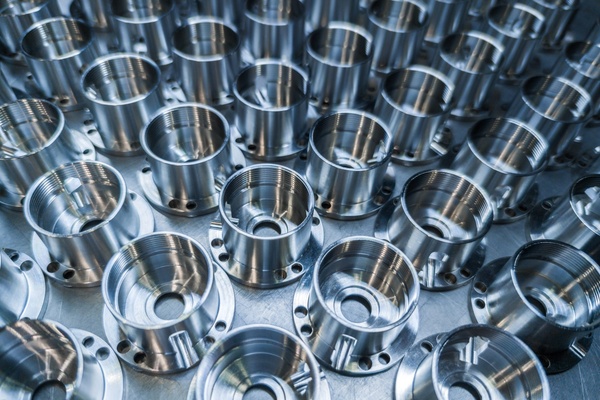
Examples — Variants & Locations of Custom Metal Works Providers
Because “custom metal works” is a broad term, many providers work under this banner — from local small shops to larger fabrication companies. For instance:
- Custom Metal Works, Inc. — a family-operated shop in Norwalk, Ohio offering custom fabrication, machining, vehicle and industrial metal works.
- Custom Metal Works LLC — a company creating custom railings, gates and metal artwork for residential or commercial clients.
You might search for custom metal works near me to find local shops — whether in Ohio (Norwalk), Louisiana (Baton Rouge), Tulsa, Central LA, or elsewhere — depending on your location and needs. Local proximity can help with easier communication, on-site visits, faster iterations, and simplified logistics.
Additionally, some “custom metal works” providers operate as global or online services — offering fabrication, machining or metal-part production remotely. This can be useful for standard parts, batch orders, or when location is less critical.
Why Choose a Trusted Custom Metal Works Partner — Example “Xavier”
For a successful custom metal works project, partnering with an experienced and capable provider — say our hypothetical company “Xavier” — offers significant advantages:
- Expert consultation on design and material selection, ensuring your vision is manufacturable, efficient, and cost-effective.
- Access to full fabrication capabilities: cutting, forming, machining, welding, finishing — all under one roof, avoiding multiple vendors.
- Precision and quality control — delivering parts that meet strict tolerances, structural requirements, and longevity expectations.
- Flexibility: from single custom pieces to assemblies or small-batch production; from functional industrial parts to decorative or architectural metalwork.
- Efficiency, reliability, and turnaround — reducing waste, avoiding delays, ensuring that final products match design intent and functional needs.
With a partner like Xavier, whether you need a one-off custom metal gate, a structural component, or a batch of industrial parts — you get reliability, quality, and bespoke solutions.
Conclusion — Custom Metal Works: The Foundation of Bespoke Metal Solutions
Custom metal works stands at the intersection of engineering, craftsmanship, and design freedom. It empowers architects, engineers, manufacturers, designers, and individuals to realize custom metal parts and assemblies — perfectly tailored to their functional, structural, or aesthetic requirements.
Whether you need heavy-duty industrial components, architectural railings, custom machine parts or artistic metalwork — custom metal works offers flexibility, precision, durability, and value that off-the-shelf parts simply can’t match. With a reliable partner, your ideas, designs, and specifications can transform into robust, high-quality metal solutions.
Xavier is a professional manufacturer specializing in custom metal works, offering CNC subcontract machining for a wide variety of metal and plastic components. Our capabilities cover
CNC aluminum machining,
CNC stainless steel machining,
CNC magnesium alloy machining,
CNC acrylic machining,
CNC ABS machining,
and other engineered plastics.
We also supply high-precision CNC components for multiple industries, including robotic systems, CNC aerospace parts, CNC automotive components, and CNC medical components.
Our custom metal works and CNC machining services deliver exceptional accuracy, high efficiency, reliable quality, and strong compatibility with complex production demands. Available surface finishing options include sandblasting, hard anodizing, micro-arc oxidation, grinding, polishing, painting, blackening, electroplating, vacuum coating, chemical plating, phosphating, passivation, screen printing, and texture finishing.
We offer the following machining services:
• Five-axis milling — 5 axis milling
• CNC milling — CNC milling services
• CNC turning — CNC turning services
• Swiss turning — Swiss turning services
Our surface finishing capabilities include:
• Anodizing — anodizing
• Electroless nickel plating — electroless nickel
• Zinc plating, passivation, electro-polishing, and chemical conversion coatings.
As a global provider of custom metal works and CNC machining solutions, we support prototype runs, batch production, and mass manufacturing. For CNC machining service pricing or project consultation, feel free to contact us anytime.
Some of the images and text in this article are collected and compiled from the internet. If there is anything inappropriate, please contact us for processing.