High Precision CNC Machining: Technology, Tolerances, and Manufacturing Best Practices
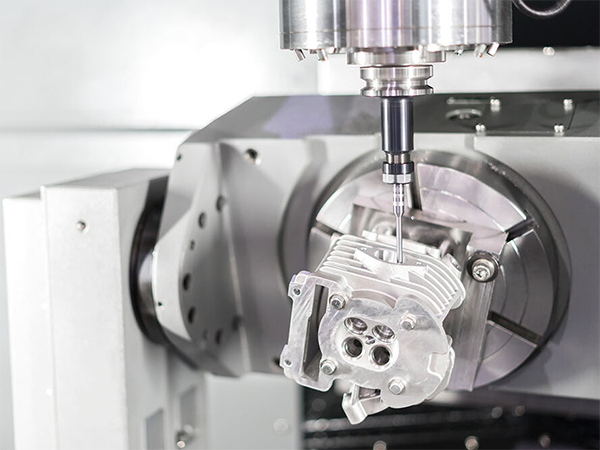
High precision CNC machining has become a cornerstone of modern manufacturing, enabling industries such as aerospace, medical devices, automotive engineering, and electronics to produce parts with extremely tight tolerances and consistent quality. Unlike conventional machining methods, high precision CNC machining relies on computer-controlled tools, advanced tooling systems, and strict process control to achieve dimensional accuracy at the micron level.high precision cnc machining
Modern CNC machining centers can achieve tolerances as tight as ±0.0002″–±0.0005″ (about ±0.005–0.0127 mm) in specialized conditions, while typical precision machining tolerances range around ±0.001″ (±0.025 mm) depending on material and process control.
This article explores the most important technical aspects of high precision CNC machining, including tolerance control, machining processes, materials, surface finishing, inspection methods, and real-world industrial applications.
Key Knowledge Topics Related to High Precision CNC Machining
- Definition and fundamentals of high precision CNC machining
- CNC machining tolerances and dimensional accuracy
- Common CNC machining processes used for precision parts
- Materials used in high precision CNC machining
- Surface finish and post-processing techniques
- Precision machining for aerospace and medical industries
- Advanced machining equipment and multi-axis machining
- Inspection technologies and quality control systems
- Cost factors and manufacturing efficiency in precision machining
- Design for manufacturability (DFM) in precision CNC parts
Understanding High Precision CNC Machining
High precision CNC machining refers to manufacturing processes that produce components with extremely tight dimensional tolerances and repeatable accuracy using computer-controlled machines.
In a typical CNC machining workflow:
- Engineers create a CAD model
- The model is converted into CAM toolpaths
- CNC machines execute the cutting operations
- Precision inspection verifies the dimensions
Precision machining ensures that complex geometries can be manufactured consistently, even for large production batches.
Typical applications include:
- Aerospace structural parts
- surgical instruments
- semiconductor components
- automotive engine components
- robotics and automation equipment
These industries demand precise fitment between components to ensure performance, reliability, and safety.
CNC Machining Tolerances and Dimensional Accuracy
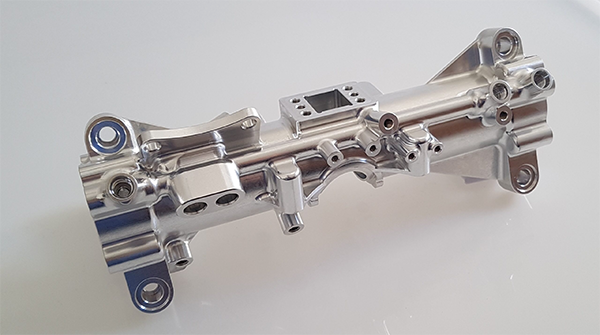
Tolerance is the allowable variation between the nominal dimension of a part and its actual manufactured size.
For example:
If a shaft diameter is 50.00 mm ±0.01 mm, the acceptable range is:
- Minimum: 49.99 mm
- Maximum: 50.01 mm
Typical tolerance ranges in CNC machining include:
| Precision Level | Typical Tolerance | Application |
|---|---|---|
| Standard CNC machining | ±0.13 mm (±0.005″) | General industrial parts |
| Moderate precision | ±0.05 mm | mechanical assemblies |
| High precision machining | ±0.025 mm (±0.001″) | aerospace or automotive |
| Ultra-precision machining | ±0.005–0.012 mm | medical devices and optics |
Standard CNC machining often follows ISO 2768 tolerance standards, which define acceptable dimensional deviations for manufactured parts.
Achieving tighter tolerances requires:
- slower machining speeds
- high-precision cutting tools
- controlled temperatures
- advanced measurement equipment
As tolerances become tighter, manufacturing costs increase significantly due to increased inspection and scrap risk.
Core CNC Machining Processes for Precision Parts
Different machining operations are used depending on the geometry and functional requirements of the part.
CNC Milling
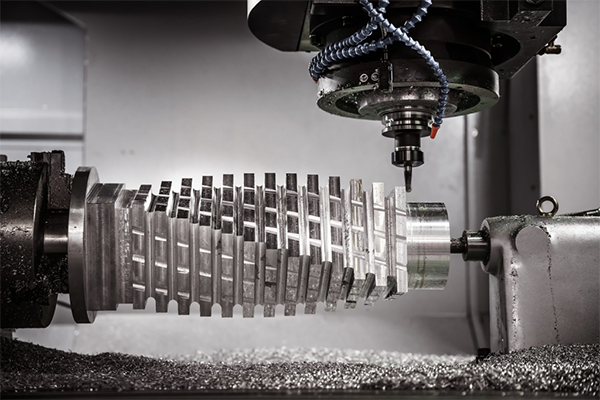
CNC milling uses rotating cutting tools to remove material from a stationary workpiece.
Typical applications:
- aluminum housings
- machine frames
- heat sinks
- brackets
Precision milling can achieve tolerances of ±0.025 mm or better under controlled conditions.
CNC Turning
Turning operations produce cylindrical parts by rotating the workpiece while a cutting tool removes material.
Typical parts include:
- shafts
- bushings
- connectors
- threaded components
Swiss-Type CNC Machining
Swiss-style CNC lathes provide extremely high precision for small and slender components. The guide-bushing design reduces vibration and enables micron-level accuracy.
Typical applications:
- medical screws
- watch components
- miniature connectors
- precision pins
Materials Used in High Precision CNC Machining
Material selection directly influences machining accuracy, tool wear, and surface finish.
Common materials include:
| Material | Key Properties | Typical Applications |
|---|---|---|
| Aluminum | Lightweight, easy to machine | aerospace parts, electronics |
| Stainless Steel | Corrosion resistance | medical devices |
| Titanium | High strength-to-weight ratio | aerospace and implants |
| Brass | Excellent machinability | electrical connectors |
| PEEK plastics | chemical resistance | medical equipment |
For example, aluminum alloys such as 6061-T6 are widely used for high-precision components because they combine good machinability with structural strength.
Surface Finish and Post-Processing Techniques
Precision machining often requires secondary processes to improve surface quality.
Surface finish is measured using Ra (roughness average) values.
Typical CNC surface finish levels:
| Process | Surface Roughness (Ra) |
|---|---|
| Standard CNC machining | 3.2 μm |
| Fine machining | 1.6 μm |
| Grinding | 0.8 μm |
| Polishing | 0.2 μm |
Common post-processing methods include:
- anodizing
- electropolishing
- bead blasting
- passivation
- heat treatment
These finishing processes enhance corrosion resistance, aesthetics, and functional performance.
Multi-Axis CNC Machining for Complex Parts
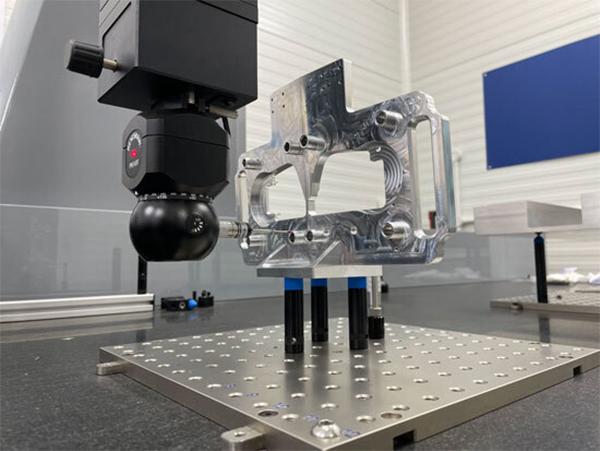
Modern high precision CNC machining often relies on 3-axis, 4-axis, and 5-axis machines.
Advantages of 5-Axis Machining
- fewer setups
- higher geometric accuracy
- complex curved surfaces
- reduced production time
Industries such as aerospace rely heavily on multi-axis machining to produce components like turbine blades, structural brackets, and engine housings.
Quality Inspection and Measurement Systems
Precision manufacturing requires rigorous quality inspection.
Common inspection technologies include:
- CMM (Coordinate Measuring Machine)
- laser scanners
- optical comparators
- surface roughness testers
- digital calipers and micrometers
Typical inspection workflow:
| Inspection Stage | Purpose |
|---|---|
| Incoming material inspection | verify raw material quality |
| In-process inspection | monitor machining accuracy |
| Final inspection | confirm dimensional compliance |
| Documentation | maintain traceability |
These quality control procedures ensure that high precision CNC machined parts meet engineering specifications.
Cost Factors in High Precision CNC Machining
Tighter tolerances dramatically increase production costs.
Factors affecting machining cost include:
- material hardness
- tolerance requirements
- surface finish requirements
- machining time
- tooling costs
- inspection requirements
Example Cost Comparison
| Tolerance Level | Relative Cost |
|---|---|
| ±0.005″ | baseline cost |
| ±0.002″ | +30–80% |
| ±0.001″ | +200% or more |
As tolerances become tighter, machines must operate at slower speeds and require additional inspection, increasing production time and costs.
Design for Manufacturability (DFM) in Precision CNC Machining
Good design significantly improves machining efficiency.
Important DFM guidelines include:
- avoid unnecessary tight tolerances
- maintain uniform wall thickness
- use standard hole sizes
- minimize deep cavities
- reduce complex internal corners
By following DFM principles, engineers can reduce machining costs while maintaining precision.
Why Xavier Is a Reliable Partner for High Precision CNC Machining
Selecting the right manufacturing partner is essential when producing high precision components.
Xavier provides advanced CNC machining services for industries requiring exceptional accuracy and reliability.
Key advantages include:
- advanced 3/4/5 Axis CNC machining centers
- capability to achieve tight tolerances for precision parts
- experience machining aluminum, stainless steel, titanium, and engineering plastics
- professional engineering support for design for manufacturability
- reliable production from prototypes to medium-volume manufacturing
Whether you need precision components for aerospace, medical equipment, robotics, or industrial machinery, Xavier delivers high precision CNC machining solutions with consistent quality and competitive lead times.
Some of the images and text in this article are collected and compiled from the internet. If there is anything inappropriate, please contact us for processing.