Custom Machining Manufacturer: Engineering-Driven Manufacturing for Non-Standard Parts
A custom machining manufacturer specializes in producing non-standard, application-specific components based on customer drawings, CAD models, or functional requirements. Unlike mass-production factories, custom machining focuses on flexibility, precision, and engineering collaboration, often serving projects where off-the-shelf parts simply do not work.
This article explains how custom machining manufacturers operate, what capabilities truly matter, and how buyers should evaluate them — from a practical manufacturing perspective.
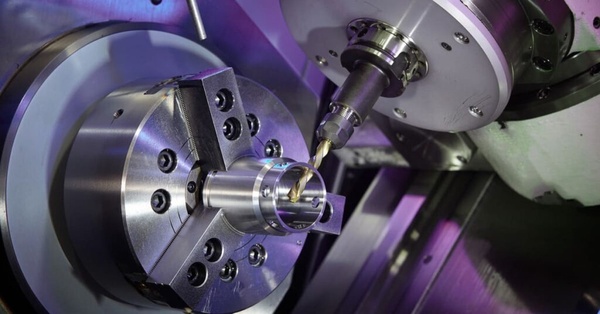
What a Custom Machining Manufacturer Actually Does
A custom machining manufacturer produces parts that are:
- Designed specifically for one application
- Not available as standard catalog items
- Often revised multiple times during development
Typical deliverables include:
- CNC machined metal or plastic parts
- Prototype components
- Small to medium batch production
The core value is not just machining — it is turning design intent into manufacturable reality.
Difference Between Custom Machining and Standard Machining
Key Comparison
| Aspect | Custom Machining | Standard Machining |
|---|---|---|
| Part design | Customer-specific | Predefined |
| Flexibility | High | Low |
| Engineering input | Required | Minimal |
| Volume | Low to medium | High |
| Change tolerance | High | Low |
Custom machining manufacturers are built to handle change, not just repeatability.
Industries That Rely on Custom Machining Manufacturers
Custom machining is essential in industries where performance requirements vary widely.
| Industry | Typical Custom Parts |
|---|---|
| Aerospace | Brackets, housings |
| Medical | Surgical components |
| Automotive | Prototypes, fixtures |
| Robotics | Structural frames |
| Industrial equipment | Custom shafts, plates |
| Energy | Valve bodies, connectors |
Each industry imposes different tolerance, material, and documentation demands.
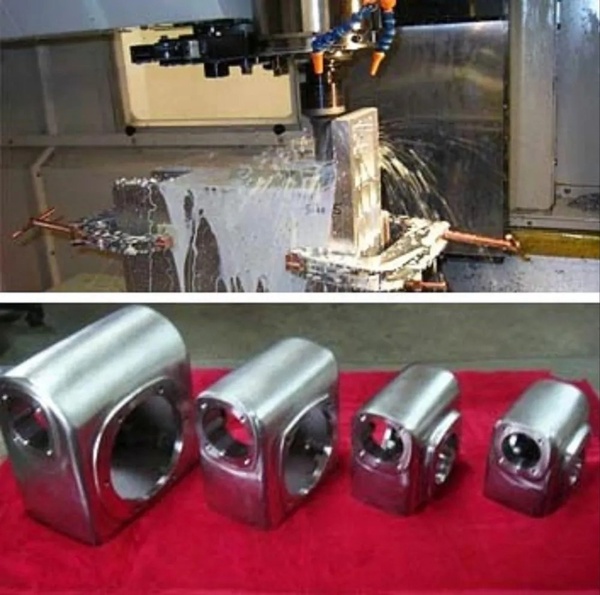
Materials Capability in Custom Machining
A capable custom machining manufacturer must handle multiple materials, not just aluminum.
Commonly Machined Materials
| Material Type | Examples |
|---|---|
| Aluminum alloys | 6061, 7075 |
| Steels | Carbon, alloy steel |
| Stainless steel | 304, 316, 17-4PH |
| Titanium | Ti-6Al-4V |
| Plastics | POM, PEEK, Nylon |
Material diversity reflects process maturity, not just equipment count.
CNC Processes Used in Custom Machining
Custom machining manufacturers rely on a mix of CNC processes.
| Process | Typical Use |
|---|---|
| CNC Milling | Complex geometry |
| CNC Turning | Cylindrical parts |
| 5-Axis Machining | Multi-face parts |
| Swiss Machining | Small precision parts |
| EDM | Sharp internal features |
The ability to combine processes is often more important than any single machine.
Tolerance Control and Precision Levels
Custom machining often demands feature-specific tolerances.
Typical Capability Ranges
| Feature Type | Tolerance |
|---|---|
| General dimensions | ±0.05 mm |
| Precision fits | ±0.02 mm |
| Bearing interfaces | ±0.01 mm |
| High-precision parts | ±0.005 mm |
Precision depends as much on process control as on machine accuracy.
Prototype-to-Production Workflow
A strong custom machining manufacturer supports the full lifecycle.
Typical Workflow
- Design review
- DFM feedback
- Prototype machining
- Functional testing
- Design iteration
- Pilot production
- Batch production
Manufacturers that skip early DFM often cause costly redesigns later.
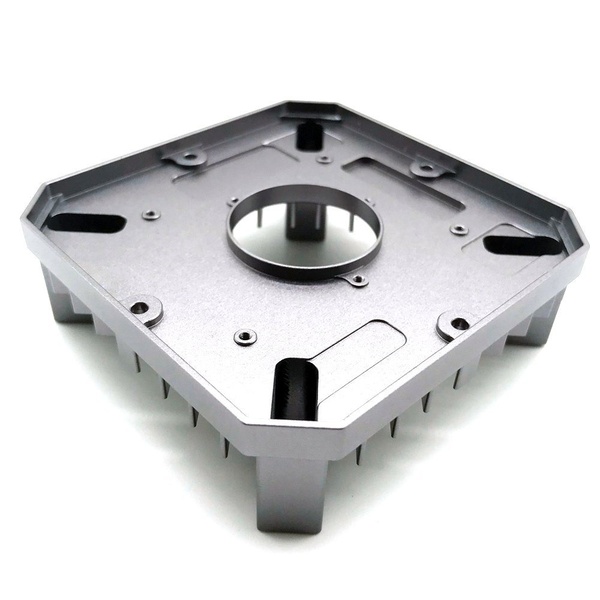
Design for Manufacturability (DFM) Support
DFM is a core value-add in custom machining.
Common DFM Improvements
| Design Issue | Manufacturing Adjustment |
|---|---|
| Sharp internal corners | Add fillets |
| Deep narrow pockets | Adjust tool access |
| Thin unsupported walls | Increase thickness |
| Over-tight tolerances | Functional tolerance review |
Good DFM can reduce machining cost by 20–40%.
Low-Volume vs High-Mix Manufacturing
Custom machining manufacturers often specialize in high-mix, low-to-medium volume work.
| Production Type | Strength |
|---|---|
| Low volume | Fast iteration |
| High mix | Flexibility |
| Medium batch | Cost balance |
This model suits startups and OEMs developing new or evolving products.
Quality Systems and Certifications
Quality control is not optional.
Common Certifications
| Certification | Relevance |
|---|---|
| ISO 9001 | General quality |
| ISO 13485 | Medical |
| AS9100 | Aerospace |
Beyond certificates, buyers should assess inspection methods and documentation depth.
Surface Finishing and Secondary Operations
Custom machining rarely ends at raw machining.
Typical Secondary Processes
| Process | Purpose |
|---|---|
| Anodizing | Corrosion resistance |
| Plating | Wear protection |
| Heat treatment | Strength enhancement |
| Polishing | Functional surfaces |
| Assembly | Sub-assemblies |
Integrated finishing reduces logistics risk and lead time.
Cost Structure in Custom Machining
Key Cost Drivers
| Factor | Impact |
|---|---|
| Material type | Medium |
| Setup complexity | High |
| Tolerance tightness | High |
| Quantity | High |
| Surface treatment | Medium |
Custom machining cost is driven more by complexity than volume.
Lead Time and Capacity Planning
Lead time depends on:
- Machine availability
- Engineering workload
- Material sourcing
Typical Ranges
| Project Type | Lead Time |
|---|---|
| Simple prototype | 3–7 days |
| Complex prototype | 7–14 days |
| Batch production | 3–5 weeks |
Capacity planning separates reliable manufacturers from overpromising ones.
Supplier Communication and Engineering Feedback
Strong custom machining manufacturers provide:
- Clear technical feedback
- Early risk identification
- Revision-friendly workflows
Poor communication is a leading cause of project delays, not machining errors.
How to Evaluate a Reliable Custom Machining Manufacturer
Evaluation Checklist
- Can they explain how they will machine your part?
- Do they provide DFM suggestions?
- Can they support material and inspection documentation?
- Do they handle revisions smoothly?
A reliable custom machining manufacturer behaves like an engineering partner, not a job shop.
Why Xavier Is a Trusted Custom Machining Manufacturer
Xavier operates as a process-driven custom machining manufacturer, supporting customers from early design stages through stable production. By combining multi-axis CNC capability, broad material expertise, structured DFM feedback, and consistent quality control, Xavier helps transform complex ideas into manufacturable, repeatable components. This engineering-first approach makes Xavier a dependable choice for companies seeking a long-term custom machining partner rather than a short-term supplier.
Some of the images and text in this article are collected and compiled from the internet. If there is anything inappropriate, please contact us for processing.