10 High-Value Knowledge Points / Topics
- What is an integrated (monocoque) drone frame
- Advantages over modular drone frames
- Carbon fiber vs aluminum in integrated frames
- Structural rigidity and vibration control
- Weight optimization and payload efficiency
- Aerodynamic integration and drag reduction
- Manufacturing processes: CNC vs composite molding
- Thermal management integration in frames
- Repairability and lifecycle cost considerations
- Custom integrated drone frame supplier capabilities
Integrated Drone Frame: Engineering the Next Generation of UAV Structures
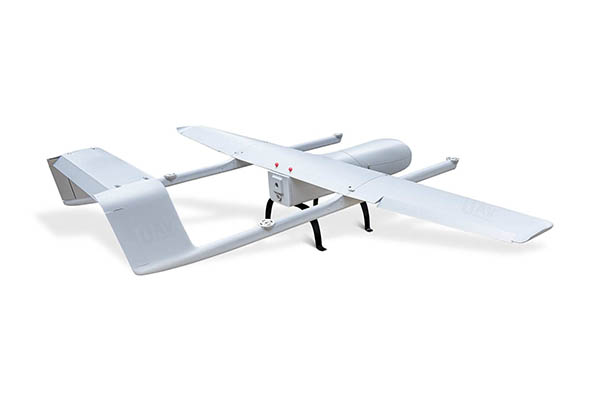
Integrated drone frames—also known as monocoque UAV structures—are redefining how drones are designed, manufactured, and optimized. Unlike traditional modular frames assembled from multiple plates and fasteners, integrated frames combine structure, aerodynamics, and functionality into a single engineered body.
What is an Integrated Drone Frame (Monocoque Structure)
An integrated drone frame refers to a single-piece or highly unified structure where load-bearing elements are distributed across the entire body.
Key characteristics:
- Minimal or no bolted joints
- Continuous load paths
- Integrated housing for electronics
Modern designs use continuous fiber composites, enabling joint-free structures with fewer failure points and improved durability .
Why it matters:
Traditional frames fail at joints; integrated frames eliminate these weak points.
Advantages Over Modular Drone Frames
Integrated designs outperform modular frames in several critical areas:
| Feature | Modular Frame | Integrated Frame |
|---|---|---|
| Structural rigidity | Medium | High |
| Vibration resistance | Moderate | Excellent |
| Maintenance | Easy | Moderate |
| Reliability | Medium | High |
Integrated frames provide:
- Better vibration damping
- Improved flight stability
- Lower maintenance due to fewer parts
👉 Especially critical in:
- Cinematography drones
- Industrial inspection UAVs
Carbon Fiber vs Aluminum in Integrated Frames
Material selection directly impacts performance.
Carbon Fiber (dominant choice)
- Weight reduction improves flight time
- High stiffness maintains structural integrity
- Fatigue resistance extends lifespan
Aluminum (CNC integrated frames)
- Better impact resistance
- Easier machining and repair
- Higher weight
Real data comparison:
| Material | Weight Reduction | Strength | Cost |
|---|---|---|---|
| Carbon Fiber | Up to -42% | Very high | High |
| Aluminum | Baseline | High | Medium |
👉 Conclusion:
- Carbon fiber = performance UAVs
- Aluminum = durable industrial drones
Structural Rigidity and Vibration Control
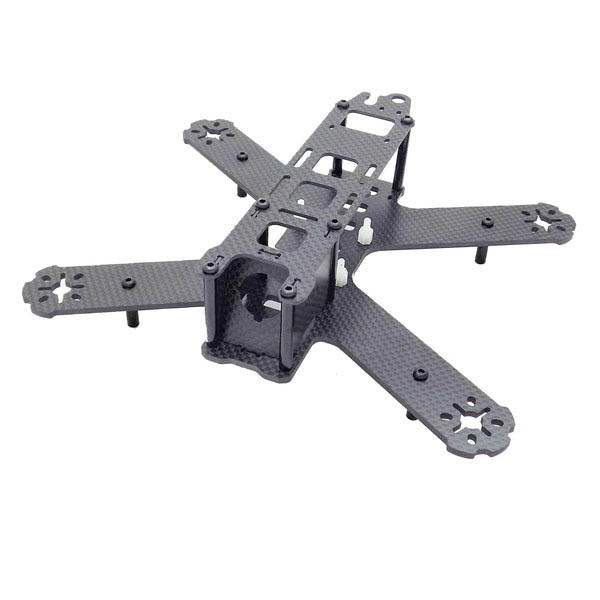
Rigid frames directly influence flight control precision.
Integrated frames:
- Reduce flex under load
- Improve IMU sensor accuracy
- Minimize oscillation
High rigidity ensures:
- Stable flight at high speeds
- Accurate GPS and camera stabilization
Carbon fiber frames maintain aerodynamic shape under stress, improving control stability .
Weight Optimization and Payload Efficiency
Weight is one of the most critical drone performance factors.
Case study:
- Switching from aluminum to carbon fiber reduced frame weight by ~42%
Impact:
- Increased payload capacity
- Extended flight time
- Improved thrust efficiency
Example:
- 775g → 450g frame weight reduction = more payload margin
Aerodynamic Integration and Drag Reduction
Integrated frames allow aerodynamic shaping that modular frames cannot achieve.
Design improvements:
- Smooth external surfaces
- Internal component housing
- Reduced drag coefficient
Advanced designs include:
- Airfoil-shaped arms
- Internal airflow channels (cooling + drag reduction)
👉 Result:
- Higher top speed
- Lower energy consumption
Manufacturing Processes: CNC vs Composite Molding
Integrated frames require advanced manufacturing.
CNC Machining (Aluminum frames)
- High precision
- Tight tolerances
- Ideal for small batches
Composite Manufacturing (Carbon fiber)
- Autoclave curing (120°C, pressure controlled)
- Lay-up or automated fiber placement
Comparison:
| Process | Accuracy | Cost | Volume |
|---|---|---|---|
| CNC Machining | High | Medium | Low–Medium |
| Composite Molding | Very High | High | Medium–High |
Thermal Management Integration in Frames
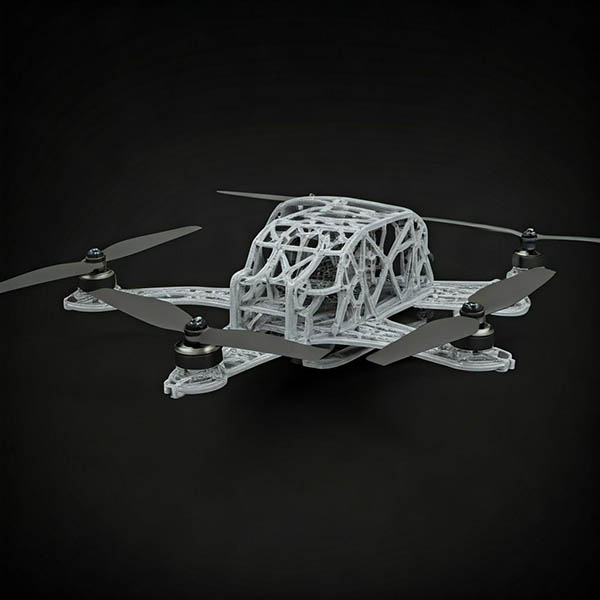
Modern integrated frames are no longer just structural—they are thermal platforms.
Integration strategies:
- Embedded heat sinks
- Airflow channels
- Heat-dissipating materials
This is critical for:
- ESC cooling
- Flight controller stability
- RF module performance
👉 Integrated thermal design reduces overheating risk and improves reliability.
Repairability and Lifecycle Cost Considerations
Integrated frames are not perfect.
Limitations:
- Harder to repair (whole frame replacement)
- Higher upfront cost
- Less modular flexibility
Trade-off:
| Factor | Modular | Integrated |
|---|---|---|
| Repair | Easy | Difficult |
| Durability | Medium | High |
| Lifecycle cost | Medium | Lower (long-term) |
👉 Integrated = fewer failures but higher replacement cost.
Custom Integrated Drone Frame Supplier Capabilities
A professional supplier must go beyond machining.
Engineering capabilities:
- Finite Element Analysis (FEA)
- Topology optimization
- CFD airflow simulation
Manufacturing capabilities:
- CNC + composite hybrid production
- Tight tolerance control
- Multi-material integration
Customization:
- Payload-specific design
- Mounting system integration
- Weight optimization
Why Choose Xavier for Integrated Drone Frame Manufacturing
If you’re developing high-performance UAVs, choosing the right partner is critical.
Xavier provides:
- Precision CNC machined integrated drone frames
- Carbon fiber + aluminum hybrid solutions
- Structural optimization for weight, rigidity, and durability
- Integrated thermal and aerodynamic design
- Rapid prototyping and scalable production
👉 Whether for FPV racing drones or industrial UAV platforms, Xavier delivers engineered integrated drone frame solutions—not just parts, but performance systems.
Some of the images and text in this article are collected and compiled from the internet. If there is anything inappropriate, please contact us for processing.