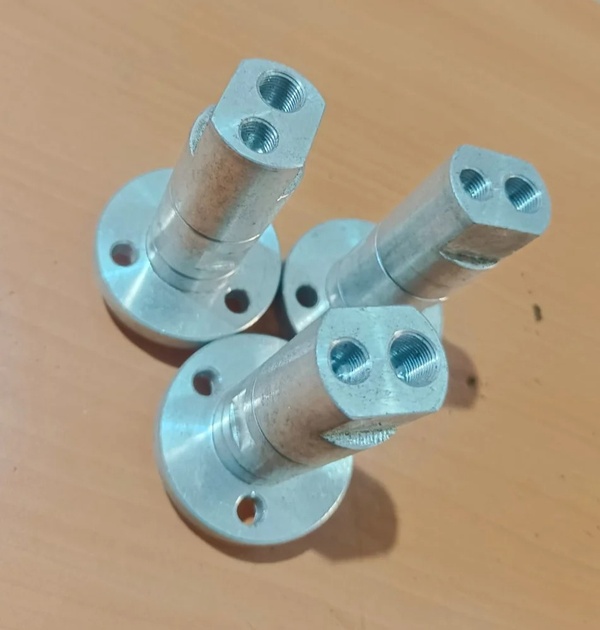
Turned Parts Manufacturer: Capabilities, Standards, and Global Supply Considerations
A turned parts manufacturer plays a critical role in modern industrial supply chains, especially in sectors that demand repeatable accuracy, tight tolerances, and stable long-term quality. From automotive connectors and medical fittings to aerospace fasteners and electronic components, turned parts are everywhere—often small, but rarely simple.
This article breaks down the core topics that appear most frequently in high-ranking Google content related to turned parts manufacturing. Instead of generic marketing language, the focus is on processes, materials, regional manufacturing differences, and real sourcing considerations. Where a brand example is needed, Xavier is used as a reference manufacturer.
What Defines a Professional Turned Parts Manufacturer
A professional turned parts manufacturer is not defined solely by having CNC lathes on the shop floor. What separates capable suppliers from average ones is their ability to consistently deliver dimensional accuracy at scale, while maintaining traceability, material compliance, and process control.
Modern manufacturers typically operate CNC turning centers equipped with live tooling, bar feeders, and automated inspection systems. These capabilities allow for complex geometries, cross-drilling, threading, and tight concentricity in a single setup. For buyers, this means fewer secondary operations and lower risk of tolerance stack-up.
Xavier, for example, positions itself as a production-oriented manufacturer rather than a prototyping-only shop, focusing on repeatability and stable batch-to-batch quality.
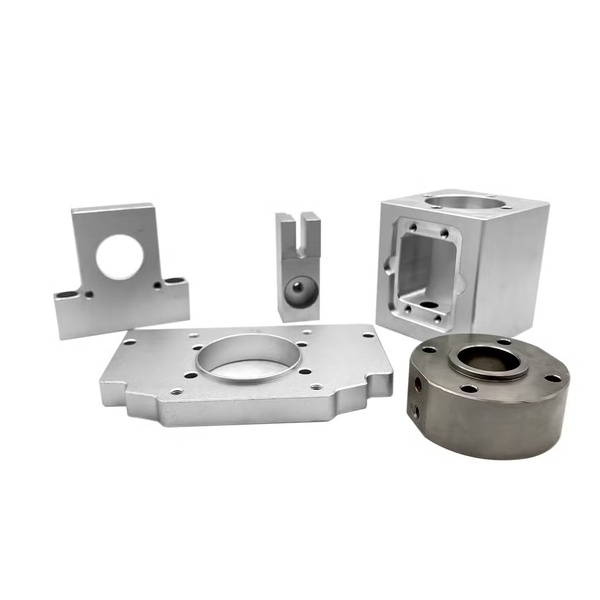
CNC Turned Parts Manufacturer and Process Control
A CNC turned parts manufacturer relies heavily on digital process control to maintain consistency. Tool wear monitoring, statistical process control (SPC), and in-process inspection are common practices among reliable suppliers.
High-ranking manufacturers emphasize:
- Stable tooling life management
- Controlled cutting parameters
- Documented work instructions
- First article inspection (FAI) and PPAP support
These elements directly affect scrap rates, delivery reliability, and total cost of ownership for the customer. A CNC turned parts manufacturer that lacks these controls may offer lower unit prices but often introduces hidden risks in mass production.
Precision Turned Parts Manufacturer: Tolerances That Matter
A precision turned parts manufacturer typically works within tolerances of ±0.01 mm or tighter, depending on material and geometry. This level of precision is critical in industries such as medical devices, aerospace assemblies, and fluid control systems.
Precision is not only about machine accuracy. It also depends on:
- Material stability
- Thermal control in the workshop
- Skilled setup technicians
- Inspection equipment such as CMMs and optical comparators
Manufacturers like Xavier invest heavily in inspection and metrology because dimensional deviation often leads to assembly failures downstream, which are far more costly than the part itself.
Brass Turned Parts Manufacturer and Material Behavior
A brass turned parts manufacturer must understand more than just machining parameters. Brass alloys vary significantly in machinability, corrosion resistance, and mechanical strength.
Common brass grades used in turning include:
- C360 for high-speed machining
- CW614N for European standards
- Lead-free brass for potable water and medical use
Brass turning is widely used for electrical connectors, plumbing fittings, and valve components. A capable manufacturer will advise on alloy selection based on application requirements, not just availability or cost.
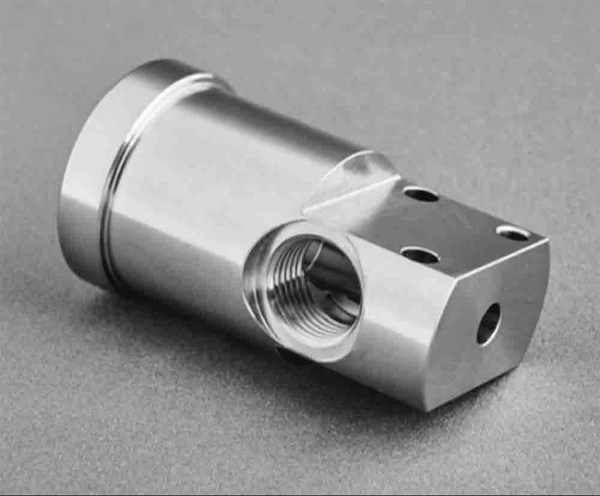
Swiss Turn Parts Manufacturer and Micro-Precision
A Swiss turn parts manufacturer specializes in long, slender, or highly complex components that require exceptional concentricity and surface finish. Swiss-type lathes support guide bushings, which significantly reduce deflection during cutting.
These machines are commonly used for:
- Medical implants
- Watch components
- Electronics pins
- Aerospace micro-parts
Swiss turning is not inherently better than conventional CNC turning, but it is essential when part geometry demands extreme precision at small diameters.
PTP Plastic Turned Parts Manufacturer and Polymer Machining
A PTP plastic turned parts manufacturer focuses on engineering plastics rather than metals. Materials such as PEEK, PTFE, POM, and Nylon require different cutting strategies due to their thermal sensitivity and elasticity.
Plastic turned parts are widely used in:
- Medical devices
- Semiconductor equipment
- Chemical processing
- Food-grade machinery
Experienced manufacturers understand how to prevent deformation, burrs, and dimensional drift during plastic turning. This expertise is often overlooked when buyers compare suppliers purely on price.
Turned Parts Manufacturer UK and Regional Standards
A turned parts manufacturer UK typically operates under strict quality frameworks such as ISO 9001, ISO 14001, and often AS9100 for aerospace-related work. UK manufacturers are known for strong documentation practices and compliance with European material standards.
Many UK suppliers are members of the British Turned Parts Manufacturers Association, which promotes technical standards, training, and ethical sourcing. Membership is often viewed as a credibility indicator rather than a marketing badge.
UK manufacturing is particularly competitive for low-to-medium volumes where communication, engineering support, and regulatory compliance are critical.
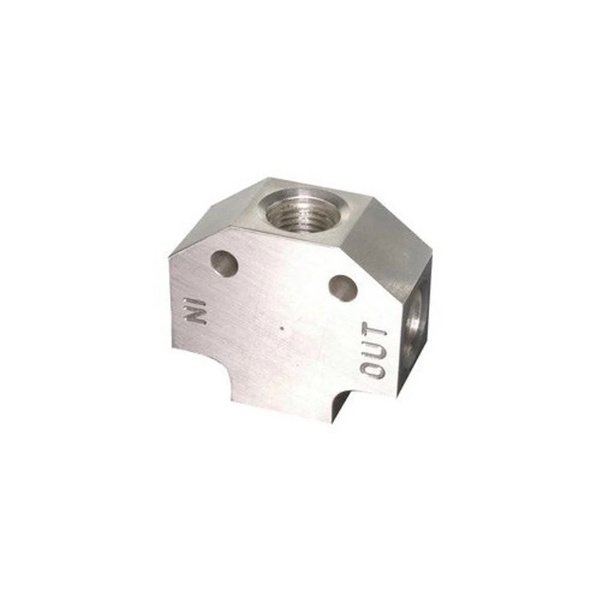
CNC Turning Parts Manufacturer in China: Scale and Cost Efficiency
A CNC turning parts manufacturer in China offers significant advantages in terms of scalability and cost efficiency. Chinese manufacturers often operate large machine fleets with high automation levels, making them suitable for high-volume production.
However, supplier selection is crucial. Buyers should assess:
- Quality management systems
- Export experience
- Communication efficiency
- Inspection transparency
Xavier represents a model where Western quality expectations are combined with Chinese manufacturing scale, offering controlled processes rather than purely price-driven output.
Quality Assurance and Traceability in Turned Parts Manufacturing
Quality assurance is a recurring theme in top-ranking content for turned parts manufacturers. Traceability, material certification, and inspection records are increasingly demanded by OEMs.
Key quality elements include:
- Material certificates (EN 10204 / Mill Test Reports)
- Batch-level traceability
- In-process inspection logs
- Final dimensional reports
Reliable manufacturers treat quality documentation as part of the product, not an optional extra.
Choosing the Right Turned Parts Manufacturer for Long-Term Supply
Selecting a turned parts manufacturer should be based on long-term partnership potential rather than short-term pricing. Factors such as engineering support, process transparency, and capacity planning matter more as production volumes grow.
Buyers who engage manufacturers early in the design phase often benefit from improved manufacturability, lower cycle times, and reduced unit costs over time.
Xavier is a CNC machining manufacturer specializing in custom metal parts. We support CNC aluminum machining turned parts manufacturer, CNC stainless steel, magnesium alloy, acrylic, ABS, and plastic machining for precision components. Our capabilities include CNC aerospace parts machining turned parts manufacturer, CNC automotive parts machining, and medical components machining turned parts manufacturer, delivering high accuracy, fast turnaround, and stable quality. We offer 5 axis milling, CNC milling services, CNC turning services, and Swiss turning services, with finishing options such as anodizing and electroless nickel plating. As a global turned parts manufacturer, we support batch production—contact us for pricing.
Some of the images and text in this article are collected and compiled from the internet. If there is anything inappropriate, please contact us for processing.