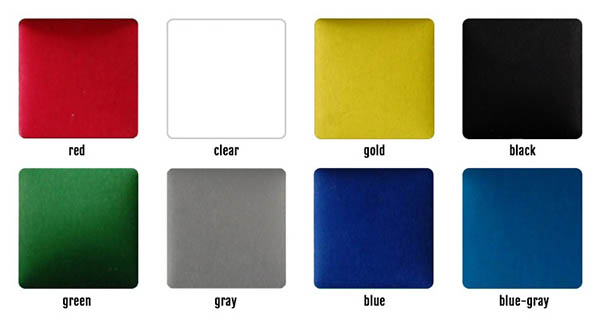
CNC Aluminum Anodizing Color Guide for Precision Machined Parts
Understanding Anodizing and Why It Matters for CNC Aluminum Parts
Anodizing is one of the most common surface finishing processes used in CNC machining. It enhances the durability of aluminum parts while providing a wide range of attractive colors. In modern manufacturing, anodizing is valued not only for improving corrosion resistance and wear protection but also for delivering consistent and customizable finishes for CNC aluminum components.
For engineers and designers working with CNC machined aluminum parts, selecting the appropriate anodized finish is critical. The right color and coating thickness can improve product performance, extend service life, and create a professional appearance for consumer or industrial products.
A CNC machining anodizing color chart serves as a helpful reference, showing the variety of colors achievable under different anodizing conditions. However, the final appearance depends on several factors such as alloy composition, oxide thickness, and coloring methods. Understanding these variables helps manufacturers choose the best finish for their specific applications.
Basic Principles of the Anodizing Process
Anodizing is an electrochemical treatment that converts the surface of aluminum into a durable aluminum oxide layer. During the process, the aluminum component is immersed in an electrolyte bath and connected as the anode in an electrical circuit.
When electric current flows through the solution, aluminum atoms release electrons and react with oxygen ions, forming a protective oxide film on the surface. This layer grows gradually and becomes part of the metal rather than simply sitting on top of it like paint or plating.
The typical anodizing workflow used for CNC aluminum parts manufacturing includes several essential steps.
Surface Preparation
Before anodizing begins, the aluminum parts must undergo thorough cleaning. Oils, machining residues, oxidation, and contaminants are removed to ensure a uniform surface. Proper preparation is crucial because impurities can cause uneven coatings or color inconsistencies.
Electrochemical Oxidation
The part is then placed in an electrolyte solution, commonly sulfuric acid. Controlled parameters such as voltage, current density, bath temperature, and processing time determine how thick and dense the oxide layer becomes.
Color Application
Depending on the desired result, the anodized surface may remain natural or receive additional coloring. Different techniques allow manufacturers to achieve a wide spectrum of shades.
Sealing Treatment
The final stage seals the porous oxide layer, typically using hot water or chemical sealing agents. This step improves corrosion resistance and locks the color inside the pores, ensuring long-term stability.
Each stage influences the overall quality of anodized CNC aluminum parts, affecting both durability and visual appearance.
Major Factors That Influence Anodizing Colors
The colors produced during anodizing are not random. They result from a combination of material properties and process parameters.
Aluminum Alloy Composition
Different aluminum alloys respond differently during anodizing. Pure aluminum grades such as 1050 or 1100 often produce bright silver finishes in sulfuric acid baths. In contrast, aluminum alloys containing copper, such as 2017 or 2024, may produce darker or slightly reddish tones.
Magnesium-rich alloys generally create lighter colors, while copper tends to deepen the shade toward reddish hues.
Oxide Layer Thickness
The thickness of the oxide layer plays an important role in color intensity. Typical coatings range between 5 and 25 microns. Thicker oxide layers tend to create deeper tones and improved wear resistance.
Alloy Microstructure
Even alloys that appear similar, such as 6061 aluminum and 7075 aluminum, can produce noticeably different anodizing results. Their internal structure affects light reflection and dye absorption.
Dye Concentration and Immersion Time
When dye coloring is used, the depth of the final color depends on how long the part remains in the dye bath and how concentrated the dye solution is. Longer exposure generally results in richer and more saturated colors.
Sealing Technique
Sealing methods can slightly alter the final color tone. However, their primary role is to close the oxide pores and protect the finish from environmental exposure.
Common Anodizing Coloring Methods
Several techniques are used to introduce color into anodized aluminum surfaces. Each method offers unique advantages in terms of durability, color range, and production cost.
Integral Coloring
Integral coloring occurs directly during the anodizing process. By adjusting electrolyte chemistry and operating conditions, the oxide layer forms with a natural color. Shades may include bronze, gray, or brass-like tones.
Because the color becomes part of the oxide layer itself, integral coloring offers excellent resistance to weathering. However, the range of available colors is relatively limited.
Dye Absorption Coloring
This is the most widely used technique for decorative finishes. The porous anodized layer absorbs organic or inorganic dyes, allowing manufacturers to produce vibrant colors such as red, blue, green, or purple.
Although dye coloring provides excellent visual variety, it may have slightly lower durability compared with integral coloring.
Electrolytic Coloring
Electrolytic coloring uses metal salts to deposit metallic particles inside the oxide pores during a second electrochemical stage. Metals such as tin, nickel, or cobalt create stable shades like bronze, black, or deep blue.
This method provides a balance between color durability and design flexibility, making it ideal for outdoor and architectural applications.
Global Standards for Anodized Color Specifications
Several international standards help ensure consistent anodizing results and color control across manufacturing industries.
Pantone Color Matching
Some manufacturers can match anodized finishes with the Pantone color system, a widely recognized color standard used in product design and branding. This allows companies to maintain consistent visual identity across different materials.
RAL Color System
The RAL color standard is widely used in Europe to define coating colors. Popular anodized shades include RAL 9005 (jet black) and RAL 1028 (yellow). The RAL system provides a common language for specifying colors between suppliers and customers.
MIL-A-8625 Standard
The MIL-A-8625 specification defines anodizing requirements for aluminum used in military and aerospace applications. It divides anodizing into three main types:
Type I – Chromic acid anodizing, commonly used in aerospace parts
Type II – Sulfuric acid anodizing, the most widely used general coating
Type III – Hard anodizing, designed for heavy wear resistance
Following these standards ensures high performance and reliability for precision CNC machined parts.
Popular Anodized Colors and Typical Applications
Anodizing allows manufacturers to produce a wide variety of colors suitable for different industries.
Natural finishes such as silver or light gray maintain the metallic appearance of aluminum while adding corrosion resistance. These finishes are commonly used in industrial CNC components.
Black anodizing is one of the most popular finishes because it offers a professional look and excellent durability. It is widely used in electronics housings, automotive components, and outdoor equipment.
Gold or champagne finishes are often chosen for decorative products such as architectural elements and luxury accessories.
Bright colors including red, blue, and green are usually produced through dye absorption and are frequently used in consumer products or custom-designed components.
These color options make anodizing particularly valuable for manufacturers producing custom CNC aluminum parts for multiple industries.
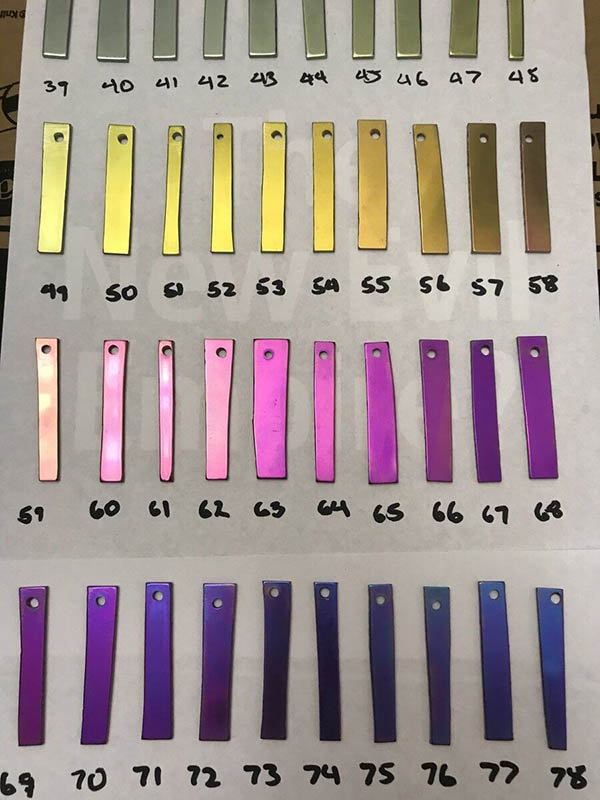
Performance Comparison of Typical Anodized Finishes
Different anodized finishes not only vary in color but also in functional properties such as coating thickness and corrosion resistance.
Clear or natural anodizing generally uses thinner oxide layers and is suitable for precision instruments or medical devices. Black anodizing typically has thicker coatings and provides excellent weather resistance.
Hard anodizing creates the thickest oxide layers and is used for applications requiring high wear resistance, including heavy-duty mechanical components.
Selecting the correct finish is essential when designing high-performance CNC machined aluminum parts.
Common Anodizing Problems and Practical Solutions
Even though anodizing is a reliable process, some issues may occur during production.
Uneven coloring may appear if the electrolyte temperature fluctuates during processing. Maintaining a stable bath temperature helps ensure consistent coating growth.
Poor adhesion can lead to coating peeling. Increasing surface roughness through controlled sandblasting before anodizing significantly improves bonding strength.
Incomplete sealing may cause localized corrosion over time. Proper chemical sealing treatments ensure long-term protection for anodized surfaces.
Addressing these issues is important for maintaining high-quality CNC machining surface finishes.
The Influence of CNC Machining on Anodizing Results
The machining stage plays a crucial role in determining the final anodized appearance.
Surface Roughness
Highly polished surfaces tend to produce bright, reflective anodized finishes, while bead-blasted surfaces result in more matte and uniform colors.
Edge Design and Burr Removal
Sharp edges or leftover burrs from machining can lead to uneven oxide growth. Proper deburring and chamfering help ensure consistent coatings.
Dimensional Considerations
Anodizing adds a thin oxide layer, typically between 5 and 25 microns. Engineers must consider this increase when designing tight tolerances for precision CNC aluminum components.
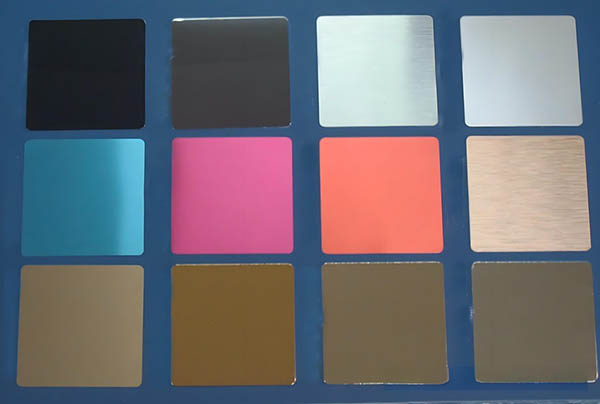
Alloy Selection
Different alloys respond differently during anodizing. Choosing the correct aluminum grade during CNC machining aluminum parts production is essential for achieving the desired color and durability.
Combining optimized machining techniques with proper anodizing processes results in consistent color, improved durability, and higher product quality.
Conclusion
Anodizing is a highly effective method for improving both the appearance and performance of aluminum parts. By forming a protective oxide layer, the process enhances corrosion resistance, wear resistance, and color versatility.
The final anodized finish depends on multiple variables including alloy composition, oxide thickness, coloring methods, and sealing treatments. Understanding these factors and using a reliable CNC machining anodizing color chart allows manufacturers to select the best finish for their applications.
Whether you are producing custom CNC aluminum parts, electronic housings, or aerospace components, selecting the correct anodizing process ensures long-lasting performance and a professional visual finish.
We offer the following services:
Anodizing Service
CNC Post-processing
CNC Machining Service
FAQ
Are all metals suitable for anodizing?
No, anodizing is mainly designed for aluminum and aluminum alloys, which respond best to this electrochemical surface treatment. Certain non-ferrous metals such as titanium and magnesium can also undergo anodizing under specialized conditions. However, ferrous materials like steel are generally not compatible with conventional anodizing processes because their chemical structure does not form the same stable oxide layer.
Can anodizing be applied to all aluminum alloys?
Most aluminum alloys used in CNC machining can be anodized successfully, but the final appearance and performance may vary. Differences in alloy composition influence color absorption, brightness, and corrosion resistance. For instance, alloys like 6061 aluminum and 7075 aluminum may produce different tones or surface textures when dyed or sealed after anodizing.
How can I prevent color fading in anodized parts exposed to sunlight?
To improve resistance to UV exposure, manufacturers often use electrolytic coloring or inorganic dyes, which provide greater stability under sunlight. Choosing the appropriate aluminum alloy, maintaining a uniform oxide coating thickness, and adding protective sealing layers can also significantly increase color retention for anodized components used outdoors.
How durable are anodized colors compared to paint or plating?
The color produced by anodizing aluminum parts becomes embedded within the oxide layer itself, making it far more resistant to wear than surface coatings like paint. Unlike paint that may chip or plating that can gradually wear away, anodized finishes offer excellent resistance to scratching, corrosion, and fading, especially when the coating is properly sealed.
How to ensure consistent color on multiple parts?
Achieving consistent color across batches of CNC machined aluminum parts requires strict process control. Factors such as alloy grade, machining surface finish, anodizing parameters, and dye concentration must remain stable throughout production. Close coordination between CNC machining and the anodizing process also helps ensure uniform color results across multiple components.
Can I match anodized colors to specific brand colors like Pantone or RAL?
Yes, many professional anodizing suppliers can create custom finishes that closely match Pantone or RAL color standards. These systems allow manufacturers to replicate specific brand colors for product design. However, since anodizing interacts with the natural properties of aluminum, slight variations may occur compared with painted surfaces.
Some of the images and text in this article are collected and compiled from the internet. If there is anything inappropriate, please contact us for processing.