Aluminum Machined Components: Engineering-Driven Manufacturing Guide
Aluminum machined components are fundamental to modern manufacturing, especially where weight reduction, thermal performance, and dimensional precision are critical. However, producing reliable aluminum components is not simply about “machining aluminum fast.”
It requires deep understanding of alloy behavior, machining strategy, tolerance control, fixturing, and post-processing.
Below are 10 core topics that define how high-quality aluminum machined components are actually designed, produced, and evaluated.
1. What Defines Aluminum Machined Components in Industrial Manufacturing
Aluminum machined components are precision parts produced by CNC milling, turning, drilling, or multi-axis machining from wrought aluminum alloys rather than cast forms.
Key defining characteristics:
| Parameter | Typical Industrial Requirement |
|---|---|
| Dimensional tolerance | ±0.02 mm to ±0.005 mm |
| Geometric tolerance (flatness, perpendicularity) | ≤ 0.01 mm |
| Surface roughness (Ra) | 0.8–3.2 μm |
| Repeatability (batch production) | CpK ≥ 1.33 |
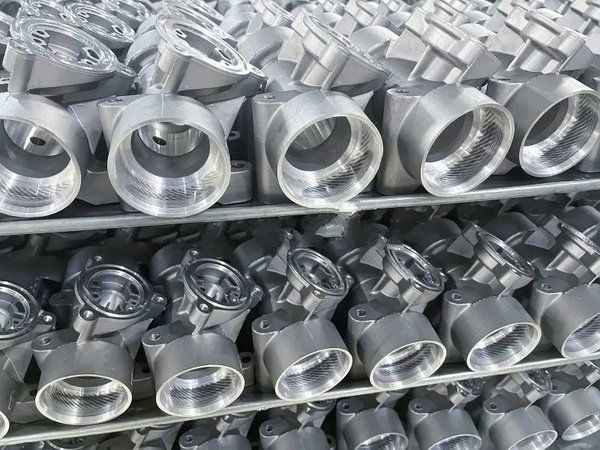
Unlike cast aluminum parts, machined components offer predictable mechanical properties, tighter tolerances, and superior surface integrity, which is why they dominate aerospace, electronics, and automation systems.
2. Aluminum Material Properties That Directly Affect Machining Outcomes
Aluminum’s popularity comes from a balance of mechanical and thermal properties, but those same properties introduce specific machining challenges.
| Property | Aluminum (6061-T6) | Manufacturing Impact |
|---|---|---|
| Density | 2.7 g/cm³ | Lightweight components |
| Thermal conductivity | High | Heat dissipates quickly |
| Elastic modulus | Low vs steel | More prone to deflection |
| Thermal expansion | ~23 µm/m·°C | Dimensional instability risk |
Example:
A 300 mm aluminum plate experiencing a 10°C temperature change can expand ~0.069 mm, enough to violate tight flatness tolerances if not controlled.
This is why precision aluminum machining often emphasizes single-setup strategies and thermal control.
3. Aluminum Alloy Selection and Machinability Differences
Not all aluminum alloys machine the same. Alloy selection impacts cutting speed, surface finish, and final part stability.
| Alloy | Machinability | Strength | Typical Applications |
|---|---|---|---|
| 6061-T6 | Excellent | Medium | Structural, frames |
| 7075-T6 | Good | Very high | Aerospace components |
| 2024 | Moderate | High | Aircraft structures |
| MIC-6 | Excellent | Stable | Precision plates |
| 5052 | Fair | Low | Sheet-based parts |
Engineering note:
7075-T6 can offer nearly 2× tensile strength of 6061 but is more sensitive to tool wear and requires conservative feeds to maintain surface quality.
4. CNC Machining Processes Used for Aluminum Components
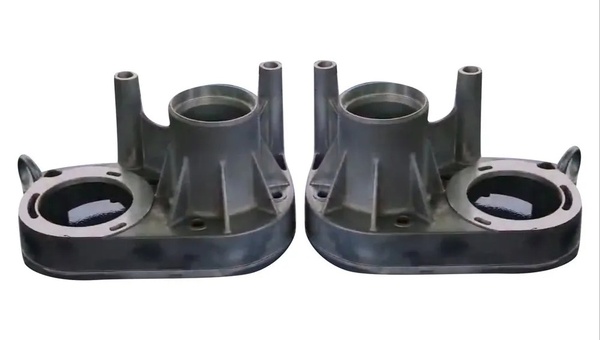
Aluminum machined components are rarely produced using a single process.
CNC Milling
Used for pockets, contours, and 3D geometry. High spindle speeds (10,000–20,000 RPM) are common for aluminum.
CNC Turning
Ideal for round components such as bushings, shafts, and threaded parts.
Drilling and Tapping
Aluminum allows high feed rates, but chip evacuation is critical to prevent galling.
| Process | Typical Achievable Tolerance |
|---|---|
| Milling | ±0.01 mm |
| Turning | ±0.005 mm |
| Drilling | ±0.02 mm |
In practice, manufacturers combine processes to balance speed and accuracy.
5. Tolerance Design and Dimensional Stability in Aluminum Machining
Tolerances drive cost more than almost any other factor.
| Tolerance Range | Manufacturing Impact |
|---|---|
| ±0.05 mm | Standard CNC, low cost |
| ±0.02 mm | Controlled tooling |
| ±0.01 mm | Precision fixturing |
| ±0.005 mm | 5-axis or grinding |
Over-specifying tolerances often increases cost by 20–40% without functional benefit.
Experienced manufacturers actively review drawings and recommend tolerance optimization.
6. 3-Axis vs 5-Axis Machining for Aluminum Components
5-axis machining is not only about shape complexity—it directly improves accuracy.
| Factor | 3-Axis Machining | 5-Axis Machining |
|---|---|---|
| Number of setups | Multiple | Single |
| Cumulative error | Higher | Lower |
| Lead time | Longer | Shorter |
| Initial cost | Lower | Higher |
Real example:
An aluminum aerospace bracket reduced total positional deviation from 0.058 mm to 0.016 mm by switching from 3-axis multiple setups to single 5-axis machining.
7. Fixturing, Workholding, and Part Deformation Control
Aluminum’s low stiffness means improper clamping can distort parts during machining.
Best practices include:
- Soft jaws matched to part geometry
- Vacuum fixtures for thin plates
- Distributed clamping instead of point loading
| Wall Thickness | Recommended Strategy |
|---|---|
| >5 mm | Standard clamping |
| 2–5 mm | Soft jaws |
| <2 mm | Vacuum or custom fixture |
This is especially critical for housings and enclosures.
8. Surface Finish Control and Functional Requirements
Surface finish affects friction, sealing, fatigue life, and aesthetics.
| Surface Finish | Ra (μm) | Typical Use |
|---|---|---|
| As-machined | 3.2 | Internal parts |
| Fine-milled | 1.6 | Visible surfaces |
| Polished | ≤0.8 | Optical / sealing |
Toolpath strategy, cutter geometry, and feed rate all directly influence finish quality.
9. Anodizing and Secondary Processes for Aluminum Components
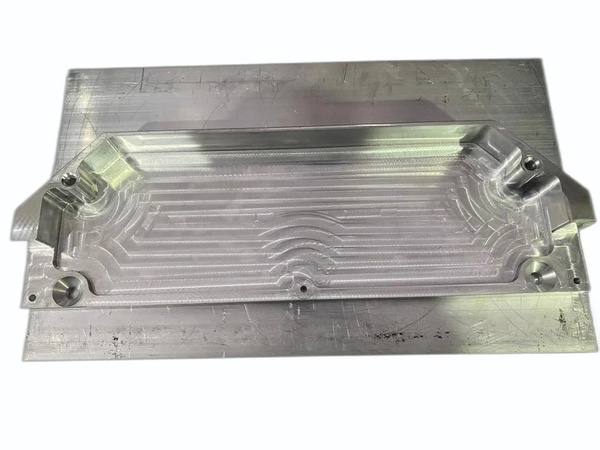
Anodizing improves corrosion resistance and surface hardness.
| Anodizing Type | Thickness | Purpose |
|---|---|---|
| Type II | 5–25 μm | Corrosion resistance |
| Type III (Hard) | 25–50 μm | Wear resistance |
Design note:
Anodizing adds material thickness. Precision aluminum components must include machining offsets to maintain final dimensions.
10. Quality Inspection and Process Control
Inspection validates that aluminum machined components meet design intent.
| Inspection Tool | Function |
|---|---|
| CMM | 3D dimensional accuracy |
| Height gauge | Datum verification |
| Surface tester | Ra measurement |
For production runs, SPC is used to detect drift caused by tool wear or temperature fluctuation before defects occur.
Why Xavier for Aluminum Machined Components
Xavier focuses on aluminum machined components where precision, stability, and manufacturability matter. With experience across 6061, 7075, and precision aluminum plate materials, Xavier integrates multi-axis CNC machining, optimized fixturing, and rigorous inspection into a single manufacturing workflow.
Rather than simply producing parts to print, Xavier works with customers to refine tolerances, improve machining strategies, and deliver aluminum components that perform reliably from prototype to full production.
Xavier is a CNC machining manufacturer specializing in custom metal parts. We support CNC aluminum machining aluminum machined components, CNC stainless steel, magnesium alloy, acrylic, and ABS machining for aerospace, automotive, and medical applications.
Our services include 5 axis milling, CNC milling services, CNC turning services, and Swiss turning services, delivering high precision and stable quality.
Surface finishing options such as anodizing and electroless nickel plating are available. For aluminum machined components pricing and batch CNC production, contact Xavier.
Some of the images and text in this article are collected and compiled from the internet. If there is anything inappropriate, please contact us for processing.