
Medical Machining Parts Overview and Market Scope
Medical machining parts refer to precision-manufactured components used in healthcare devices, surgical instruments, implants, and diagnostic systems. These parts are critical because they directly influence the performance, reliability, and safety of medical products. The industry has stringent requirements for accuracy, biocompatibility, and repeatability, often demanding tolerances as tight as ±0.002 mm and traceable manufacturing processes certified to ISO 13485 and ISO 9001 standards.
Materials for Medical Machining Parts and Their Roles
Different materials serve specific functions in medical machining:
| Material | Key Properties | Common Parts |
|---|---|---|
| Titanium & Ti alloys | High strength-to-weight, biocompatibility | Orthopedic implants, spinal cages |
| Stainless steel (316L) | Corrosion-resistant, durable | Surgical tools, implant fixtures |
| PEEK | Biocompatible plastic, wear-resistant | Implant cores, surgical instrument housings |
| Aluminum | Lightweight, excellent machinability | Diagnostic equipment frames |
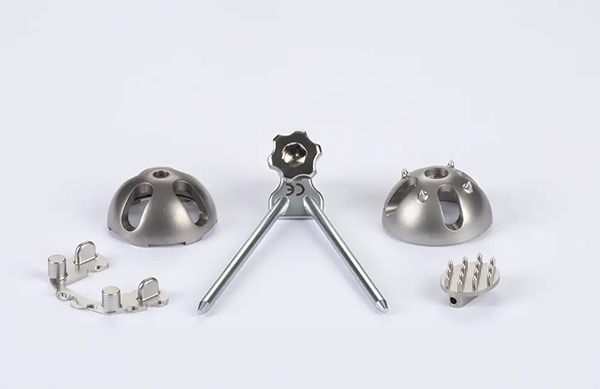
Titanium parts, for example, are widely used in hip and knee replacements due to their strength and osseointegration capability, while PEEK is ideal for internal components that require low stiffness and biocompatibility.
Applications of CNC Machined Medical Parts
Medical machining serves a broad range of healthcare sectors:
- Surgical Instruments – forceps, clamps, drill guides
- Orthopedic and Spinal Implants – hip stems, bone fixation plates
- Dental Components – abutments, crowns, surgical guides
- Cardiovascular Systems – catheter shafts, delivery system parts
- Diagnostic Devices – housings, pump bodies, sensor interfaces
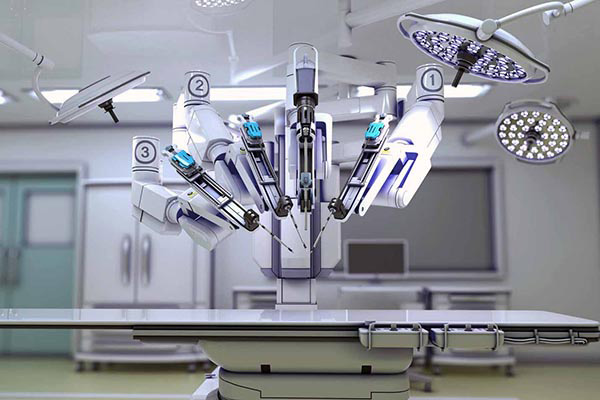
Advanced machining enables complex components for minimally invasive surgery instruments with long, narrow profiles and multi-axis functionality.
Precision and Tolerance Standards in Medical Machining
Medical manufacturing demands ultra-tight tolerances to ensure part performance and patient safety. Typical precision standards include micron-level accuracy, often verified through coordinate measuring machines (CMM) and automated inspection systems.
| Feature Type | Typical Tolerance |
|---|---|
| Implant critical geometry | ±0.01 mm or better |
| Surgical instrument mating parts | ±0.02 mm |
| Diagnostic housing interfaces | ±0.03 mm |
Traceability and documentation packages showing material origins, inspection results, and compliance reports are essential, especially for FDA-regulated products.
Advanced Machining Techniques Specific to Medical Parts
Medical machining uses both conventional and specialized techniques:
- CNC Milling & Turning – foundation for implants and instrument components
- Swiss CNC Turning – precise slender parts like catheter shafts
- 5-Axis Machining – complex geometries without multiple setups
- Wire EDM – tight-tolerance intricate cuts in hard materials
- Micro Machining – ultra-fine features on miniature medical parts
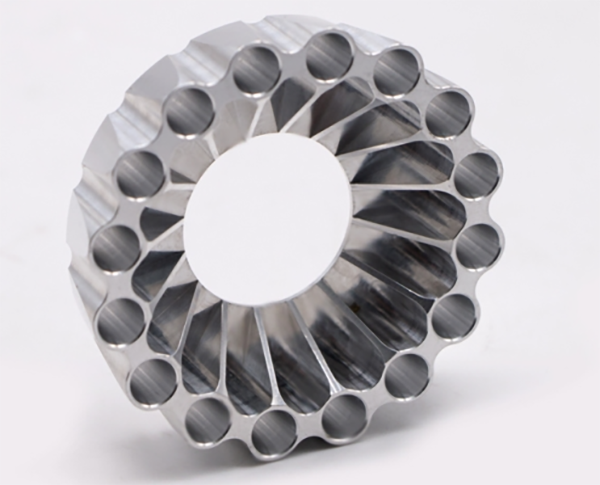
For example, 5-axis machining enables features such as internal channels and undercuts on a single setup, improving accuracy and reducing handling.
Surface Finishing and Biocompatibility Requirements
Medical machining parts must often undergo finishing processes that improve surface quality, corrosion resistance, and tissue integration:
| Process | Purpose |
|---|---|
| Electropolishing | Remove micro-burrs, improve corrosion resistance |
| Anodizing | Hard oxide coating for lightweight aluminum parts |
| Passivation | Enhance stainless steel passive layer |
| Laser marking | Permanent traceability codes |
High-quality finishes reduce bacterial adhesion on surgical tools and improve implant life by minimizing wear and corrosion in the body.
Quality Management Systems and Regulatory Compliance
Leading medical machining suppliers operate under internationally recognized quality systems:
- ISO 13485 – Medical device quality management
- ISO 9001 – General quality management
- IATF 16949 – Automotive standard often benefiting precision processes applied to medical parts
- FDA regulations – For U.S. medical device approval
These certifications ensure rigorous control over materials, processes, and documentation—critical when components are used in life-sustaining equipment.
Custom and Patient-Specific Medical Machining Parts
A growing trend in medical machining involves personalized implants tailored to individual anatomy. Using patient imaging (CT/MRI) and CAD/CAM workflows, manufacturers produce custom hip stems, cranial plates, and spinal implants that match a patient’s specific geometry, ensuring better fit and outcomes.
This approach requires highly flexible machining capabilities and detailed traceability because each part serves a unique clinical requirement.
Production Scale: Prototype to High Volume
Medical machining supports both low-volume prototypes and large-scale production:
| Production Type | Typical Use Case |
|---|---|
| Single or small batch | Custom implants, prototypes |
| Medium batch | Specialized diagnostic components |
| High volume | Standardized instrument parts |
Rapid prototyping accelerates new product time-to-market, while high-volume capabilities ensure cost-effective production for widely used components.
Cost Drivers and Design Considerations
Key cost factors in medical machining include:
- Material selection (e.g., titanium vs. stainless steel)
- Complexity of geometry (multi-axis machining)
- Tolerance tightness and inspection burden
- Surface finishes and regulatory documentation
Medical part designers often collaborate with machinists early in the process to optimize designs for manufacturability, reducing unnecessary machining operations and lowering overall costs.
Supply Chain and Industry Trends in Medical Machining
Medical machining parts markets are influenced by:
- Increasing minimally invasive surgeries
- Demand for personalized implants
- Growth in wearable and portable diagnostic devices
- Regulatory emphasis on traceability and compliance
Manufacturers with advanced capabilities such as micro machining and Swiss turning can seize opportunities in high-precision segments.
Xavier as Your Medical Machining Partner
When precision, compliance, and traceability are non-negotiable, Xavier stands out as a premier partner for medical machining parts. With ISO 13485 and ISO 9001 certified processes, advanced multi-axis CNC and Swiss machining centers, and a strong focus on biocompatible materials, Xavier delivers components that meet the stringent demands of medical device OEMs.
From prototypes to production runs, Xavier supports custom machining strategies, detailed inspection reporting, and responsive engineering feedback—ensuring your medical products perform reliably, safely, and cost-effectively.
Some of the images and text in this article are collected and compiled from the internet. If there is anything inappropriate, please contact us for processing.