ltimate Guide to Low Volume CNC Machining: Costs, Benefits & Supplier Tips
Complete Guide to Low Volume CNC Machining for Modern Manufacturing
Low volume CNC machining has become an indispensable manufacturing approach for startups, small-batch production lines, and companies innovating new products. This technique strikes a balance between prototyping and full-scale mass manufacturing — offering precision, reduced setup costs, and high flexibility. In this guide, we explore what low volume CNC machining means, low volume CNC machining cost and low volume CNC machining price considerations, how to choose a low volume CNC machining supplier and low volume CNC machining manufacturer, and why this service matters in today’s competitive landscape.
What Is Low Volume CNC Machining?
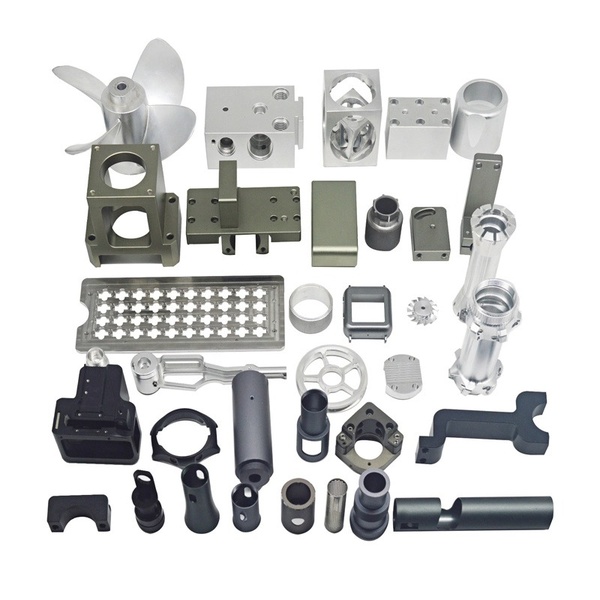
Low volume CNC machining refers to the production of parts in small batches — generally from a single unit up to a few thousand pieces — using computer numerical control (CNC) equipment. Unlike mass production, where extensive tooling and molds inflate upfront costs, low-volume runs allow manufacturers to produce small quantities efficiently.
At its core, this process leverages the precision and repeatability of CNC milling, turning, and multi-axis machining systems to create parts that meet strict dimensional tolerances. It stands in contrast to traditional manufacturing, where economies of scale are needed to justify tooling expenses. Because CNC machines require minimal setup and no specialized tooling, low volume CNC machining bridges the gap between prototype parts and full-scale manufacturing.
Why Low Volume CNC Machining Matters
Low volume CNC machining is widely adopted because it provides several competitive advantages:
1. Cost Efficiency and Predictable Pricing
Low volume CNC machining cost is typically lower than expected for small runs because most CNC shops avoid specialized tooling fees. Traditional methods like injection molding or stamping require expensive dies that only pay off with large volumes. Instead, setting up a CNC job — even for just 10 to 100 pieces — primarily involves programming time and machining hours.
Reference Pricing Insight: For simple aluminum components produced in low volumes, prices can range roughly $5–$50 per piece depending on size and complexity, especially in cost-competitive regions like China. More complex stainless steel parts may range $50–$200+ per piece.
The prices mentioned in the content are for reference only; please contact us for an actual price quote.
2. High Precision and Quality
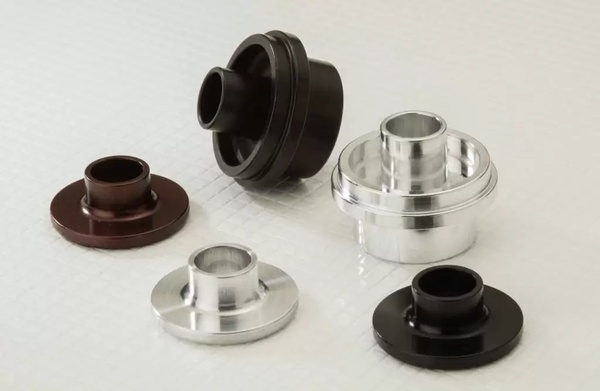
Low volume CNC machining ensures that parts meet precise specifications with tight tolerances. CNC systems execute programmed tool paths with high accuracy, typically to ±0.001” tolerance or better. This precision is critical for applications like aerospace, medical devices, and automotive prototype testing, where part performance hinges on exact dimensions.
3. Flexibility and Design Iteration
One of the biggest benefits of low volume CNC machining is its flexibility. Designers can quickly iterate, tweak part geometry, and test new features without the cost risks of large production runs. This makes it ideal for product development cycles where design changes are frequent.
4. Reduced Time to Market
Because CNC machines can be programmed and run within hours, lead times for low volume runs are short. Some low volume CNC machining suppliers can deliver small batch parts within 24–72 hours, which is valuable for fast-moving projects or urgent prototype needs.
5. Minimal Inventory Risk
Producing only what’s needed reduces inventory costs and financial exposure. Manufacturers don’t have to forecast demand years in advance — they respond to real demand, making low volume CNC machining a key tool in agile supply chains.
How Low Volume CNC Machining Costs Are Determined
Understanding low volume CNC machining price requires analyzing several factors:
Machine Hour Rates
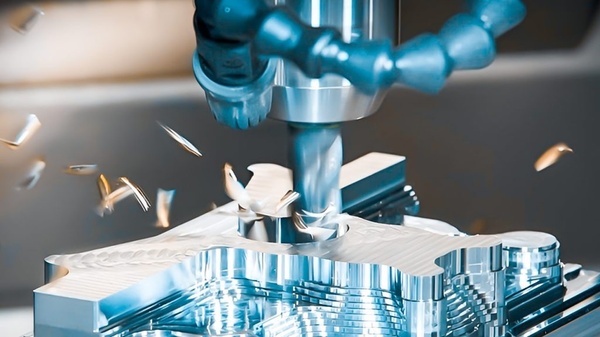
Hourly machining rates vary based on machine type. Basic 3-axis CNC machining can cost less than advanced multi-axis work. For example, typical rates in China might range from $10–$25 per hour for 3-axis milling and similar figures for turning operations.
Material Choice
Materials like aluminum (which machines easily) cost less per part than harder alloys like stainless steel or titanium. Material selection is a key driver of low volume CNC machining cost.
Part Complexity
Deep cavities, thin walls, and intricate geometries increase cycle time and tool wear, raising the overall price. Therefore, simpler designs generally incur lower machining costs.
Batch Size Effects
While CNC machining avoids major tooling fees, the unit cost still decreases as batch size increases: a setup that takes the same time for 1 part and 100 parts will distribute the setup overhead more efficiently over multiple units.
Choosing a Low Volume CNC Machining Manufacturer
Finding the right low volume CNC machining manufacturer requires evaluating technical capabilities and service quality:
Advanced CNC Capabilities
A top manufacturer leverages 3-, 4-, and 5-axis CNC machines to handle diverse part geometries with precision and speed.
Quality Control Measures
Look for suppliers with structured inspection processes that ensure each part adheres to specifications, even in small batches.
Material and Finishing Expertise
Manufacturers that offer surface finishes (anodizing, plating, etc.) and work with different materials reduce your need to outsource finishing later.
Communication and Support
A responsive partner helps align production with design expectations, especially when small batch adjustments are needed.
Cost Transparency
Clear pricing structures for low volume CNC machining cost help you budget accurately and compare supplier quotes effectively.
Finding the Right Low Volume CNC Machining Supplier
A reliable low volume CNC machining supplier is more than just a factory — it’s a partner that supports your manufacturing needs:
Fast Turnaround Times
Supplier responsiveness can dramatically reduce project cycles, with some services offering expedited lead times for small batch work.
DFM Feedback
Good suppliers offer design for manufacturability feedback that helps you optimize parts for lower cost and better machinability.
Scalability
If initial small runs succeed, you’ll want a supplier that can scale to higher volumes without retooling delays.
When evaluating bids, request transparent breakdowns: hourly rates, material costs, finish fees, and any advanced machining surcharges.
Optimizing Part Design for Low Volume CNC Machining
To get the best low volume CNC machining price and quality, consider:
- Simplify features where possible: Fewer complex contours reduce machining time. https://www.xavier-parts.com
- Standardize hole and thread sizes: Common tooling reduces setup time.
- Select machinable materials: Aluminum alloys are cost-effective and machine quickly.
These strategies help lower machining hours and reduce your overall cost.
Real-World Applications of Low Volume CNC Machining
Low volume CNC machining is used across industries:
- Prototype Development: Turn early designs into functional parts quickly.
- Custom Production Runs: Small batches of specialized components.
- R&D Iterations: Test multiple design iterations before committing to volume manufacturing.
Conclusion: Leveraging Low Volume CNC Machining for Competitive Advantage
Low volume CNC machining offers a powerful tool for manufacturers who want precision, flexibility, and economical production of small part runs. By understanding low volume CNC machining cost drivers, selecting reliable suppliers and manufacturers, and optimizing part designs, companies can reduce risk, shorten time to market, and maintain high quality in their parts — all while controlling budgets. Whether you are developing prototypes or producing small batches of custom parts, low volume CNC machining provides unmatched adaptability and precision in modern manufacturing.
Xavier is a professional CNC machining manufacturer specializing in custom machining of metal and plastic components. We support CNC machining aluminum, CNC machining stainless steel, CNC machining magnesium alloy, CNC machining acrylic, and CNC machining ABS, delivering precision parts for aerospace, automotive, and medical applications. Our CNC machining services offer high accuracy, fast turnaround, stable quality, and strong flexibility. We have extensive experience in CNC aerospace parts machining, CNC automotive parts machining, and medical parts machining, ensuring consistent quality for complex precision components. With advanced manufacturing capabilities, we provide 5 axis milling, CNC milling services, CNC turning services, and Swiss turning services to support small-batch and customized production needs. We also offer complete surface finishing options, including anodizing, electroless nickel plating, electroplating zinc, passivation, electropolishing, and chemical conversion coatings. As a global CNC machining service provider, Xavier focuses on low-volume and flexible CNC machining solutions. For CNC machining service pricing or project consultation, feel free to contact us.
Some of the images and text in this article are collected and compiled from the internet. If there is anything inappropriate, please contact us for processing.