6061 Aluminum Machining: Properties, Costs, Applications, and Best Practices for CNC Manufacturing
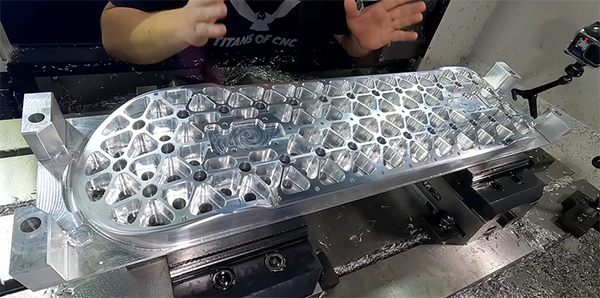
6061 aluminum machining is one of the most widely used manufacturing processes in modern CNC machining. Thanks to its excellent machinability, corrosion resistance, lightweight strength, and cost efficiency, 6061 aluminum alloy has become the default material for industries such as aerospace, robotics, automotive, electronics, and industrial equipment.
Compared with harder metals such as stainless steel or titanium, 6061 aluminum can be machined at higher speeds with lower tool wear, allowing manufacturers to reduce cycle time and production costs while maintaining high precision. Its machinability rating can reach about 90% relative to free-cutting brass, allowing cutting speeds above 500 m/min with carbide tooling in CNC operations.
Below are ten key technical topics that explain how 6061 aluminum machining works in real manufacturing environments.
Key Knowledge Topics Related to 6061 Aluminum Machining
- What 6061 Aluminum Is and Why It Is Widely Used in CNC Machining
- Mechanical Properties of 6061 Aluminum for Precision Parts
- Machinability Advantages in CNC Milling and Turning
- Typical Tolerances Achievable in 6061 Aluminum Machining
- Cutting Parameters and Tooling Strategies
- Surface Finishing Options for Machined 6061 Aluminum
- Comparison Between 6061 and Other Aluminum Alloys
- Real Applications of 6061 CNC Machined Parts
- Cost Structure of 6061 Aluminum Machining
- Design Guidelines for Efficient 6061 CNC Parts Manufacturing
What 6061 Aluminum Is and Why It Is Widely Used in CNC Machining
6061 aluminum is a precipitation-hardened aluminum alloy containing magnesium and silicon. The most common heat-treated form is 6061-T6, which provides a balanced combination of strength, corrosion resistance, machinability, and weldability.
In CNC machining environments, 6061 aluminum is often selected because it offers:
- Lightweight structural strength
- Excellent corrosion resistance
- High machinability and chip control
- Good dimensional stability
- Compatibility with anodizing and surface treatments
Unlike steel, aluminum naturally forms a protective oxide layer that prevents corrosion. In salt-spray testing environments, aluminum alloys demonstrate corrosion rates around 0.10 mm/year, much lower than uncoated steel in similar conditions.
Because of these characteristics, 6061 aluminum machining is widely used in industries requiring lightweight yet durable components.
Mechanical Properties of 6061 Aluminum for Precision Parts
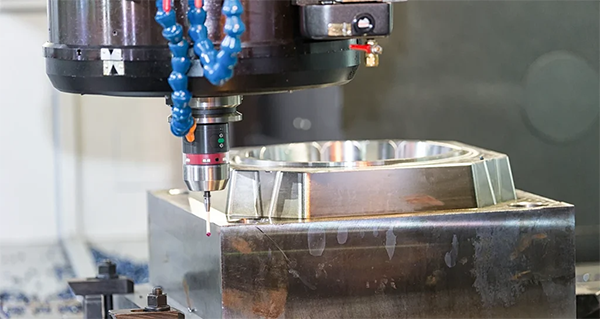
Understanding the mechanical characteristics of 6061 aluminum is essential for CNC machining engineers and product designers.
Typical Mechanical Properties of 6061-T6
| Property | Typical Value |
|---|---|
| Density | 2.70 g/cm³ |
| Ultimate Tensile Strength | ~310 MPa |
| Yield Strength | ~276 MPa |
| Hardness | ~95 HB |
| Elongation | 12–17% |
| Thermal Conductivity | ~167 W/m·K |
| Fatigue Strength | ~96 MPa |
These mechanical properties provide a good strength-to-weight ratio, which explains why 6061 aluminum machining is commonly used in aerospace structures, robotics frames, and automotive components.
For example:
- UAV frames often use CNC-machined 6061 aluminum brackets
- Medical equipment housings frequently use anodized 6061 components
- Industrial automation machines rely on precision aluminum fixtures
Machinability Advantages in CNC Milling and Turning
One of the most important advantages of 6061 aluminum machining is its excellent machinability.
The machinability index of aluminum alloys can reach 200–300 relative to baseline steel, allowing faster machining speeds and lower tool wear.
Comparison of Machinability
| Material | Machinability Index | Tool Wear | Typical Speed |
|---|---|---|---|
| Aluminum 6061 | 200–300 | Low | High |
| Brass | 150–200 | Low | High |
| Mild Steel | 100 | Medium | Medium |
| Stainless Steel 304 | 40–50 | High | Low |
| Titanium | 15–20 | Very High | Very Low |
This means CNC machines can operate faster when machining aluminum.
For example:
- Spindle speeds may exceed 12,000 RPM in aluminum milling
- Chip evacuation is easier due to soft material characteristics
- Tool life can be 3× longer than steel machining
These factors significantly improve production efficiency in CNC shops.
Typical Tolerances Achievable in 6061 Aluminum Machining
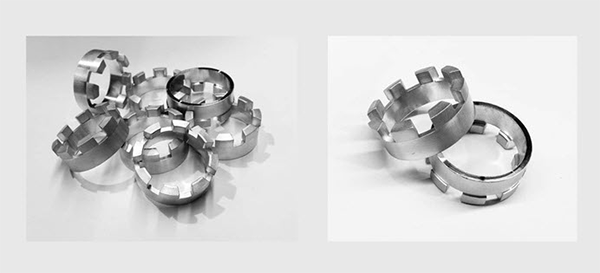
Precision tolerance control is a major reason why manufacturers choose CNC machining for aluminum parts.
Typical tolerance capabilities include:
| Process | Typical Tolerance |
|---|---|
| Standard CNC machining | ±0.05 mm |
| Precision CNC machining | ±0.02 mm |
| High-precision machining | ±0.01 mm |
Modern multi-axis CNC machines combined with coordinate measuring machines (CMM) can achieve extremely precise geometry, including:
- tight bore diameters
- precision flatness
- complex 3D contours
For example, a precision aluminum optical mount may require flatness tolerance below 0.01 mm, which is achievable with high-precision CNC milling.
Cutting Parameters and Tooling Strategies
Efficient 6061 aluminum machining requires optimized cutting strategies.
Typical Cutting Parameters (Example)
| Tool | Spindle Speed | Feed Rate |
|---|---|---|
| 6 mm end mill | ~12,000 RPM | ~1200 mm/min |
| 12 mm end mill | ~6500 RPM | ~1000 mm/min |
These values vary depending on machine rigidity and coolant strategy.
Important machining considerations include:
- Use of carbide end mills
- High spindle speeds
- Efficient chip evacuation
- Mist coolant or dry cutting
Because aluminum chips are soft and non-abrasive, tool wear remains relatively low compared with harder metals.
Surface Finishing Options for Machined 6061 Aluminum
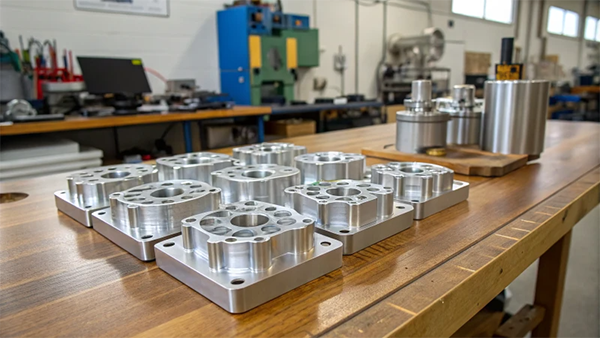
6061 aluminum machining supports a wide range of post-processing options.
Common Surface Treatments
| Surface Finish | Purpose |
|---|---|
| Anodizing | Corrosion protection |
| Hard anodizing | Wear resistance |
| Sandblasting | Matte cosmetic finish |
| Powder coating | Decorative protection |
| Polishing | High-gloss appearance |
Anodizing is particularly common for aluminum parts because it strengthens the natural oxide layer and allows colored finishes.
Industries like consumer electronics and robotics frequently use black anodized aluminum components for durability and aesthetics.
Comparison Between 6061 and Other Aluminum Alloys
Not all aluminum alloys behave the same in CNC machining.
Comparison: 6061 vs 7075 Aluminum
| Property | 6061 Aluminum | 7075 Aluminum |
|---|---|---|
| Machinability | Excellent | Good |
| Strength | Medium | Very high |
| Corrosion Resistance | Excellent | Moderate |
| Hardness | ~95 HB | ~150 HB |
| Cost | Lower | Higher |
6061 aluminum machines 20–30% faster than 7075, reducing cycle time and manufacturing cost.
For this reason:
- Aerospace structural parts may use 7075
- General precision parts typically use 6061
Real Applications of 6061 CNC Machined Parts
6061 aluminum machining is widely used across multiple industries.
Typical Applications
| Industry | Example Components |
|---|---|
| Aerospace | Brackets, housings |
| Robotics | Structural frames |
| Automotive | Lightweight mounts |
| Electronics | Heat sinks, enclosures |
| Medical devices | Equipment housings |
Because aluminum has excellent thermal conductivity, it is commonly used in heat sinks and cooling systems for electronic equipment.
Cost Structure of 6061 Aluminum Machining
Cost is one of the key reasons companies choose 6061 aluminum machining.
Raw Material Price
Typical market prices:
| Material | Approx Price |
|---|---|
| 6061-T6 Aluminum | $4.5 – $6.8 / kg |
| 7075 Aluminum | $9 – $13 / kg |
| Stainless Steel | $6 – $10 / kg |
| Titanium | $35 – $52 / kg |
Machine shops usually add 25–40% markup on raw material to cover handling and inventory.
CNC Machining Cost Example
A small precision aluminum part may include:
| Cost Category | Example Cost |
|---|---|
| Material | $10 |
| Setup | $45 |
| Machining | $84 |
| Tool wear | $20 |
| Programming | $60 |
| Inspection | $22 |
Total prototype cost may reach about $240 for the first part, but batch production significantly reduces the unit cost.
Additionally, aluminum parts can be up to 30% cheaper to machine than steel because higher cutting speeds and longer tool life reduce machining time.
Design Guidelines for Efficient 6061 CNC Parts Manufacturing
Good design practices can reduce machining costs.
Recommended Design Rules
| Feature | Recommendation |
|---|---|
| Internal corners | Add fillets ≥ 1 mm |
| Wall thickness | ≥ 1.5 mm |
| Hole depth | ≤ 4× diameter |
| Threads | Avoid unnecessary deep threads |
| Surface finish | Specify only when required |
Designing parts specifically for CNC machining can reduce machining time by 20–40%.
Why Xavier Is a Trusted Partner for 6061 Aluminum Machining
When manufacturing precision aluminum parts, choosing the right machining partner is critical.
Xavier specializes in high-precision 6061 aluminum machining services for industries such as aerospace, robotics, medical equipment, and industrial automation. With advanced CNC milling centers, multi-axis machining systems, and strict quality inspection processes, Xavier ensures every aluminum component meets tight tolerances and superior surface quality.
Whether customers need rapid prototypes, small-batch production, or large-scale manufacturing, Xavier provides reliable machining solutions with competitive pricing, fast lead times, and engineering support. By combining experienced machinists, optimized cutting strategies, and advanced inspection equipment, Xavier delivers precision aluminum parts that meet demanding industrial standards.
Some of the images and text in this article are collected and compiled from the internet. If there is anything inappropriate, please contact us for processing.