
CNC Milling Parts Supplier: Complete Guide to Precision Manufacturing, Costs, Materials, and Supplier Selection
CNC milling has become one of the most important manufacturing technologies for producing precision mechanical components. A professional CNC milling parts supplier uses computer-controlled milling machines to remove material from metal or plastic workpieces, creating complex geometries with tight tolerances.
Modern CNC milling services are widely used in industries such as aerospace, robotics, medical devices, electronics, and automotive manufacturing. These suppliers can produce components with tolerances ranging from ±0.127 mm (±0.005 in) to as tight as ±0.01 mm depending on the equipment and process control.
Choosing the right CNC milling supplier is critical because machining accuracy, material selection, cost efficiency, and delivery reliability all depend on the capabilities of the manufacturer.
Below are ten important topics that explain how CNC milling suppliers operate and how to select the right partner.
Key Knowledge Topics Related to CNC Milling Parts Suppliers
- What a CNC Milling Parts Supplier Does
- Types of CNC Milling Machines Used by Suppliers
- Materials Commonly Machined by CNC Milling Suppliers
- Precision and Tolerance Capabilities in CNC Milling
- Surface Finishing Options for CNC Milled Parts
- Cost Structure of CNC Milling Parts Manufacturing
- CNC Milling vs CNC Turning in Manufacturing
- Industries That Depend on CNC Milling Suppliers
- Design Guidelines to Reduce CNC Milling Costs
- How to Choose a Reliable CNC Milling Parts Supplier
What a CNC Milling Parts Supplier Does
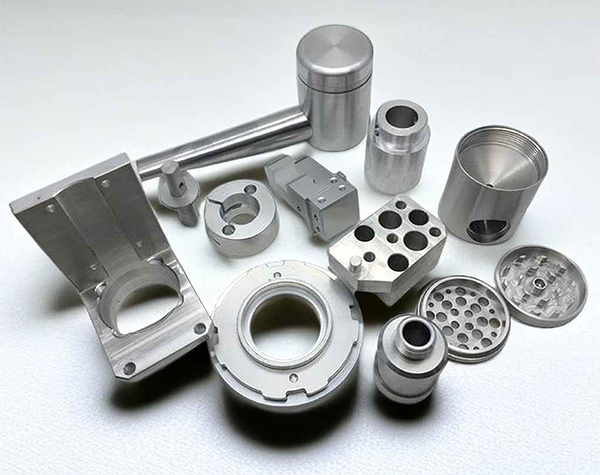
A CNC milling parts supplier is a manufacturer that produces precision parts using CNC milling machines. These machines use rotating cutting tools to remove material from a workpiece while the tool or the workpiece moves along multiple axes.
Key Functions of a CNC Milling Supplier
| Function | Description |
|---|---|
| Prototype machining | Producing early-stage parts for testing |
| Low-volume manufacturing | Small batch production |
| Mass production | High-volume manufacturing |
| Custom machining | Parts produced according to customer drawings |
| Engineering support | Design for manufacturability (DFM) |
A professional supplier usually provides the following workflow:
- Engineering review of CAD files
- CAM programming for toolpaths
- CNC machining process
- Deburring and finishing
- Quality inspection
Reliable suppliers also follow international standards such as ISO 2768 tolerance guidelines when machining components.
Types of CNC Milling Machines Used by Suppliers
Different CNC milling machines are used depending on part complexity.
CNC Milling Machine Types
| Machine Type | Capability | Typical Applications |
|---|---|---|
| 3-Axis CNC Milling | Basic machining | Flat surfaces, simple parts |
| 4-Axis CNC Milling | Rotational machining | Complex contours |
| 5-Axis CNC Milling | Multi-direction machining | Aerospace components |
| Vertical Machining Center | High-speed milling | Precision metal parts |
| Horizontal Machining Center | Heavy-duty machining | Large components |
Machine complexity strongly influences machining cost.
Typical hourly machining rates:
| Machine Type | Typical Hourly Rate |
|---|---|
| 3-Axis CNC Milling | $30 – $60/hour |
| 4-Axis CNC Milling | $40 – $75/hour |
| 5-Axis CNC Milling | $60 – $120/hour |
These rates depend on equipment cost, operator skill level, and shop overhead.
Materials Commonly Machined by CNC Milling Suppliers
A CNC milling parts supplier typically works with a wide range of engineering materials.
Common CNC Milling Materials
| Material | Characteristics | Typical Applications |
|---|---|---|
| Aluminum (6061) | Lightweight, easy to machine | Electronics housings |
| Stainless Steel | Corrosion resistant | Medical devices |
| Carbon Steel | Strong and affordable | Mechanical components |
| Brass | Excellent machinability | Precision fittings |
| Titanium | High strength, lightweight | Aerospace parts |
| Engineering Plastics | Lightweight, chemical resistant | Prototypes |
Material choice significantly affects machining speed and cost.
Soft materials such as aluminum allow faster cutting speeds and lower tool wear, while harder materials like titanium require slower machining and higher tooling costs.
Precision and Tolerance Capabilities in CNC Milling
Precision is one of the key reasons companies rely on CNC milling suppliers.
Typical tolerance capabilities include:
| Tolerance Level | Precision Range |
|---|---|
| Standard machining | ±0.10 mm |
| Precision machining | ±0.01 mm |
| Ultra precision machining | ±0.005 mm |
High-end CNC machines can even achieve ±0.0005 inch tolerance under controlled conditions, especially for aerospace or medical components.
Tight tolerances often require:
- High-precision cutting tools
- Temperature-controlled machining environments
- In-process inspection systems
- Coordinate measuring machines (CMM)
Surface Finishing Options for CNC Milled Parts
Most CNC milling suppliers also provide finishing services.
Common Surface Finishing Processes
| Surface Finish | Purpose |
|---|---|
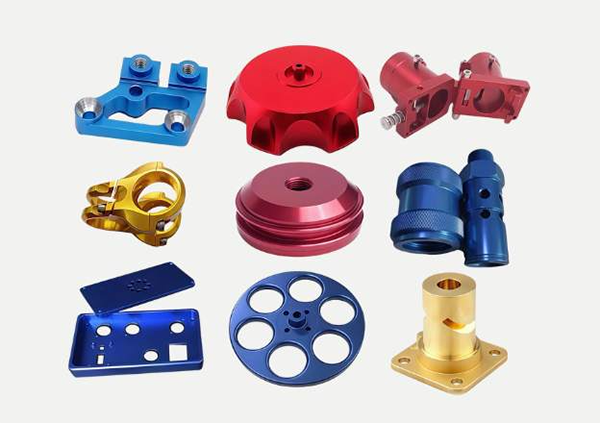
| Anodizing | Corrosion resistance |
| Powder coating | Decorative protection |
| Sandblasting | Matte texture |
| Polishing | Smooth appearance |
| Electroless plating | Wear resistance |
Surface finishing improves both aesthetics and durability.
For example:
- Aerospace parts often require hard anodizing
- Medical components may require electropolishing
- Consumer electronics often use anodized aluminum finishes
Cost Structure of CNC Milling Parts Manufacturing
Understanding CNC machining cost helps companies estimate budgets when selecting a supplier.
Typical CNC Milling Cost Components
| Cost Factor | Description |
|---|---|
| Raw material | Aluminum, steel, plastics |
| Machine time | CNC machining hours |
| Programming | CAM setup |
| Tooling | Cutting tools |
| Inspection | Quality control |
| Finishing | Surface treatments |
Typical cost ranges for CNC parts:
| Part Type | Typical Price |
|---|---|
| Medium complexity parts | $60 – $200 |
| Precision parts | $150 – $400+ |
| Prototype parts | $100 – $1000 |
These prices depend heavily on part complexity, machining time, and finishing requirements.
Production volume also affects pricing:
| Quantity | Relative Cost |
|---|---|
| 1–10 pieces | Very high |
| 50–200 pieces | Medium |
| 500+ pieces | Low |
Higher production volumes distribute setup costs across multiple parts, significantly reducing the unit price.
CNC Milling vs CNC Turning in Manufacturing
Although both processes belong to CNC machining, they differ significantly.
CNC Milling vs Turning Comparison
| Feature | CNC Milling | CNC Turning |
|---|---|---|
| Tool movement | Rotating cutting tool | Rotating workpiece |
| Part geometry | Complex shapes | Cylindrical parts |
| Typical parts | housings, brackets | shafts, bushings |
| Machine axes | 3–5 axis | 2–4 axis |
Many CNC milling parts suppliers offer combined milling and turning services to manufacture complex hybrid components.
Industries That Depend on CNC Milling Suppliers
CNC milling parts suppliers serve a wide range of industries.
Major Industry Applications
| Industry | Typical Components |
|---|---|
| Aerospace | structural brackets |
| Automotive | engine components |
| Medical | surgical devices |
| Electronics | aluminum housings |
| Robotics | structural frames |
These industries rely on CNC milling because it provides high precision, repeatability, and consistent quality.
Design Guidelines to Reduce CNC Milling Costs
Smart product design can significantly reduce machining costs.
Practical Design Rules
| Design Feature | Recommendation |
|---|---|
| Deep pockets | Avoid if possible |
| Sharp corners | Add internal fillets |
| Tight tolerances | Use only where necessary |
| Thin walls | Maintain minimum thickness |
Deep pockets require longer cutting tools and slower machining speeds, increasing production cost.
Relaxing tolerances where possible can also reduce machining time and tool wear.
How to Choose a Reliable CNC Milling Parts Supplier
Selecting the right supplier is essential for successful manufacturing projects.
Key Selection Criteria
| Factor | Importance |
|---|---|
| Equipment capability | Determines machining complexity |
| Engineering expertise | Ensures manufacturability |
| Quality control | Guarantees precision |
| Lead time | Impacts production schedule |
| Cost competitiveness | Determines project feasibility |
Companies should always evaluate suppliers based on technical capability, not just price.
Why Xavier Is a Trusted CNC Milling Parts Supplier
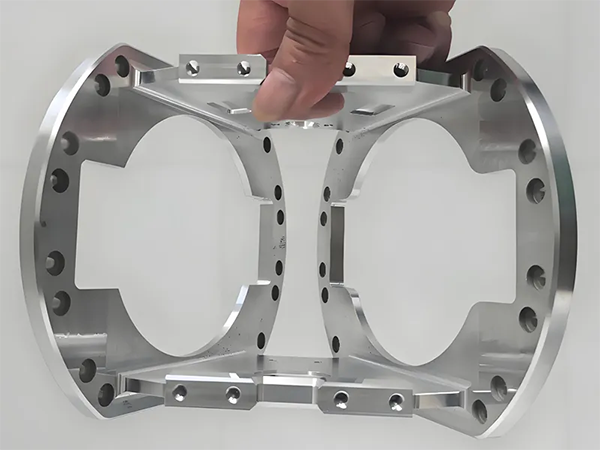
When selecting a CNC milling parts supplier, reliability and precision are critical. Xavier specializes in high-precision CNC milling solutions for industries such as aerospace, robotics, electronics, and industrial machinery.
Xavier provides:
- Advanced 3-axis, 4-axis, and 5-axis CNC milling machines
- Precision machining with tight tolerances
- Rapid prototyping and batch production
- Multiple materials including aluminum, steel, brass, and plastics
- Surface finishing such as anodizing, polishing, and coating
With experienced engineers, modern equipment, and strict quality inspection processes, Xavier delivers high-quality custom milled components with competitive pricing and fast turnaround times.
For companies seeking a reliable CNC milling parts supplier, Xavier offers a complete solution from engineering consultation to final production.
Some of the images and text in this article are collected and compiled from the internet. If there is anything inappropriate, please contact us for processing.