Medical CNC Machining: Precision Manufacturing for Regulated Healthcare Applications
Medical CNC machining plays a foundational role in the production of medical devices, surgical instruments, diagnostic equipment, and implantable components. Unlike general industrial machining, medical machining is governed by strict regulatory frameworks, biocompatibility requirements, and zero-defect expectations.
This article provides a technical, engineering-driven breakdown of medical CNC machining — focusing on real manufacturing constraints rather than generic claims.
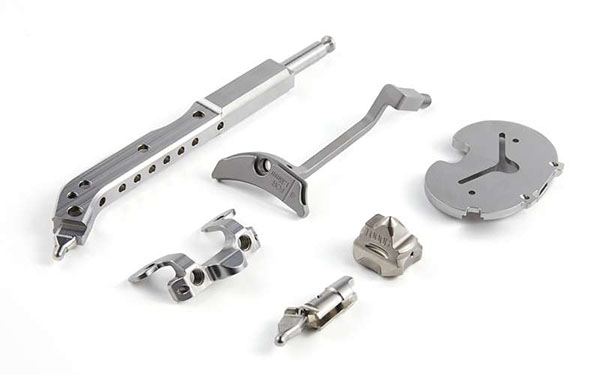
What Medical CNC Machining Really Covers
Medical CNC machining refers to the precision CNC manufacturing of components intended for medical use, including:
- Surgical instruments
- Orthopedic and dental implants
- Diagnostic device housings
- Drug delivery system components
These parts often interact directly or indirectly with the human body, which fundamentally changes how they are designed, machined, inspected, and documented.
Why CNC Machining Is Critical in Medical Manufacturing
CNC machining remains indispensable in medical manufacturing because it offers:
- Tight and repeatable tolerances
- Excellent surface integrity
- Full process traceability
- Compatibility with regulated materials
Manufacturing Method Comparison
| Method | Tolerance Capability | Medical Suitability |
|---|---|---|
| CNC Machining | ±0.005–0.02 mm | Excellent |
| Injection Molding | ±0.05–0.1 mm | Limited |
| Casting | ±0.2 mm | Poor |
| Additive Manufacturing | ±0.05 mm | Hybrid use only |
For functional and load-bearing medical components, CNC machining is often non-negotiable.
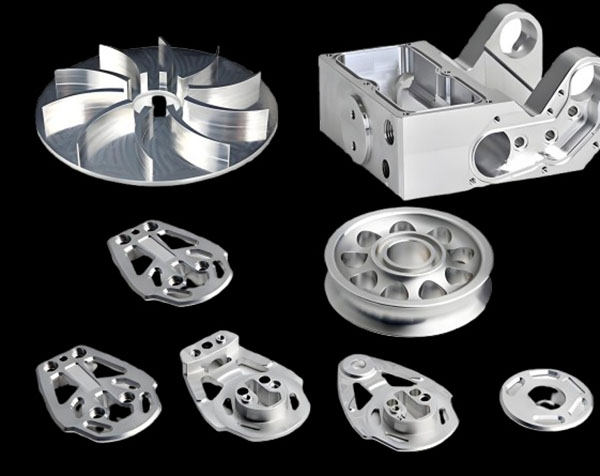
Medical Device Risk Classification and Machining Impact
Medical devices are classified by patient risk, which directly affects machining controls.
FDA / EU Risk Classes
| Class | Risk Level | Machining Implication |
|---|---|---|
| Class I | Low | Basic validation |
| Class II | Moderate | Process control + inspection |
| Class III | High | Full validation + traceability |
Higher-risk devices demand stricter tolerance control, cleaner surfaces, and deeper documentation.
Common Materials Used in Medical CNC Machining
Material selection in medical CNC machining prioritizes biocompatibility, corrosion resistance, and sterilization stability.
Typical Medical CNC Materials
| Material | Key Properties | Typical Use |
|---|---|---|
| Titanium Ti-6Al-4V | Biocompatible, strong | Implants |
| Stainless Steel 316L | Corrosion resistant | Instruments |
| Cobalt-Chromium | Wear resistant | Joint implants |
| PEEK | Radiolucent | Spinal devices |
| Aluminum 6061 | Lightweight | Diagnostic housings |
Each material imposes different tooling, cutting, and finishing requirements.
Biocompatibility and Material Certification
Medical materials must comply with standards such as:
- ISO 10993 (biological evaluation)
- ASTM F136 (implant-grade titanium)
- ASTM F138 (implant-grade stainless steel)
Required Documentation
| Document | Purpose |
|---|---|
| Mill test certificate | Chemical composition |
| Heat number | Traceability |
| Material CoC | Compliance confirmation |
Without proper certification, even a perfectly machined part is unusable in regulated medical supply chains.
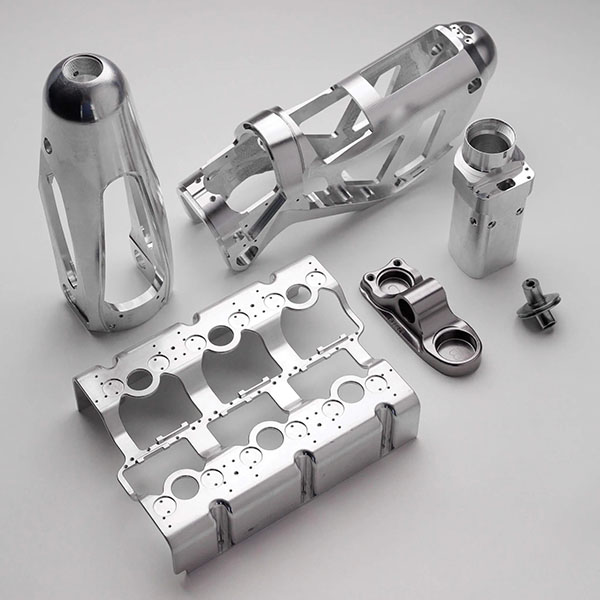
Precision and Tolerance Requirements in Medical Parts
Medical CNC machining often requires micron-level tolerances, especially for mating and functional interfaces.
Typical Tolerance Ranges
| Feature Type | Common Tolerance |
|---|---|
| General dimensions | ±0.05 mm |
| Instrument joints | ±0.02 mm |
| Implant interfaces | ±0.01 mm |
| Micro components | ±0.005 mm |
Tolerance control directly affects device functionality and patient safety.
Surface Finish and Its Effect on Medical Performance
Surface finish influences:
- Tissue interaction
- Bacterial adhesion
- Wear behavior
Medical Surface Finish Guidelines
| Application | Ra (µm) |
|---|---|
| Surgical instruments | 0.8–1.6 |
| Implant contact surfaces | ≤0.8 |
| Sliding components | ≤0.4 |
Poor surface integrity can increase infection risk and reduce device lifespan.
CNC Processes Used in Medical Machining
Medical CNC machining relies on multiple precision processes.
| Process | Typical Use |
|---|---|
| CNC Milling | Complex geometries |
| CNC Turning | Shafts, pins |
| Swiss Machining | Micro medical parts |
| EDM | Fine internal features |
| Grinding | Ultra-precision surfaces |
Process selection depends on geometry, material, and regulatory constraints.
3-Axis vs 5-Axis CNC Machining for Medical Components
Practical Comparison
| Factor | 3-Axis | 5-Axis |
|---|---|---|
| Setup count | Higher | Lower |
| Accuracy | Setup-dependent | Higher |
| Complex contours | Limited | Excellent |
| Surface consistency | Moderate | High |
5-axis machining reduces handling — which is critical for cleanliness and dimensional stability.
Machining of Implantable vs Non-Implantable Parts
Key Differences
| Aspect | Implantable | Non-Implantable |
|---|---|---|
| Material grade | Medical/implant | Industrial |
| Surface control | Critical | Moderate |
| Cleanliness | Strict | Standard |
| Documentation | Full traceability | Limited |
Implantable parts require additional inspection and validation steps.
Cleanliness, Burr Control, and Edge Conditions
Medical CNC machining places strong emphasis on edge condition control.
Common Requirements
- Burr-free edges
- Controlled chamfers
- No sharp corners in contact zones
Microscopic burrs can cause tissue damage or assembly failure.
Medical Quality Standards: ISO 13485, FDA, MDR
Core Medical Manufacturing Standards
| Standard | Scope |
|---|---|
| ISO 13485 | Medical QMS |
| FDA 21 CFR 820 | US medical devices |
| EU MDR | European compliance |
Medical CNC suppliers without ISO 13485 are typically excluded from OEM supply chains.
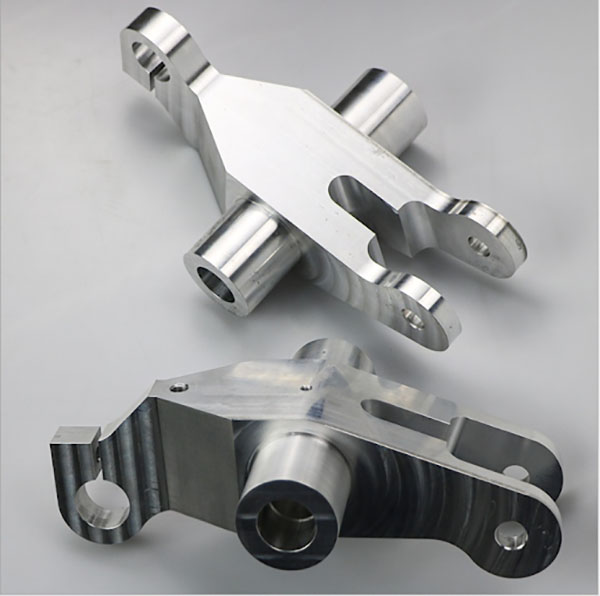
Validation, Documentation, and Traceability
Medical CNC machining requires process validation, not just inspection.
Typical Documentation Package
- First Article Inspection (FAI)
- Process flow records
- Inspection reports
- Tool and program traceability
Traceability is mandatory for post-market surveillance and recalls.
Prototyping vs Production in Medical CNC Machining
| Stage | Focus |
|---|---|
| Prototype | Design validation |
| Pilot run | Process stability |
| Production | Repeatability |
Medical OEMs often require multiple prototype iterations before approval.
Cost, Lead Time, and Risk Control in Medical CNC Projects
Major Cost Drivers
| Factor | Impact |
|---|---|
| Tolerance tightness | High |
| Material certification | Medium |
| Surface finish | High |
| Documentation | High |
Early DFM collaboration can reduce cost and risk simultaneously.
Why Xavier Is a Trusted Partner for Medical CNC Machining
Xavier approaches medical CNC machining with a regulatory-first mindset. By aligning precision CNC capability with ISO 13485-compatible quality systems, material traceability, and controlled manufacturing processes, Xavier supports medical device manufacturers across prototype development, validation, and volume production. This disciplined approach helps reduce compliance risk while ensuring consistent part quality for critical medical applications.
Xavier is a trusted CNC machining manufacturer specializing in custom metal parts and medical cnc machining. We support CNC machining aluminum, CNC machining stainless steel, CNC machining magnesium alloy, CNC machining acrylic, and CNC machining ABS, delivering precision components for medical components machining, aerospace, and automotive CNC parts machining.
Our CNC machining services are known for high accuracy, fast turnaround, and consistent quality. We offer 5 axis milling, CNC milling services, CNC turning, and Swiss turning services. Surface finishing options include anodizing, electroless nickel plating, passivation, and electropolishing. As a global CNC machining supplier, we support batch production—contact us for CNC machining service pricing.
Some of the images and text in this article are collected and compiled from the internet. If there is anything inappropriate, please contact us for processing.