Xavier’s Guide to CNC Machining Stainless Steel — Precision, Durability, and Versatility
Stainless steel has long been a go-to material for parts requiring strength, longevity, and corrosion resistance. When combined with modern CNC machining stainless steel processes, the result is parts that meet the highest standards of precision, surface quality, and reliability. In this guide, we explore the benefits, challenges, methods, and best practices around cnc cutting stainless steel, cnc machining stainless steel parts, and custom cnc machining stainless steel.
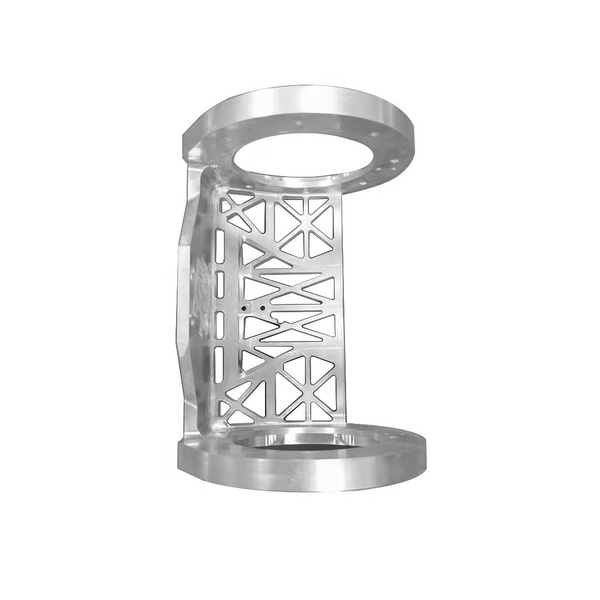
Why Stainless Steel + CNC Machining?
Stainless steel offers exceptional corrosion and oxidation resistance, thanks to its chromium content which forms a protective passive layer. This means parts resist rust, chemical exposure, and environmental degradation — ideal for outdoor, marine, medical, or industrial settings.
Moreover, stainless steel delivers superior tensile strength and durability, far surpassing aluminum or mild steel under high load, temperature changes, or harsh conditions. Whether you need structural components, shafts, housings or complex geometries, stainless steel CNC parts provide performance and reliability.
Finally, CNC machining brings high precision and repeatability. With tolerances often as tight as ±0.001″, CNC systems can produce complex stainless steel components consistently — making cnc machining stainless steel parts suitable for applications from aerospace to food processing to custom prototypes.
Challenges of Machining Stainless Steel — And How to Overcome Them
Machining stainless steel is more demanding than machining softer metals. Stainless steel’s hardness, toughness, and low thermal conductivity make it prone to heat buildup, tool wear, and work hardening — which can lead to poor surface finish, dimensional errors, or even tool failure.
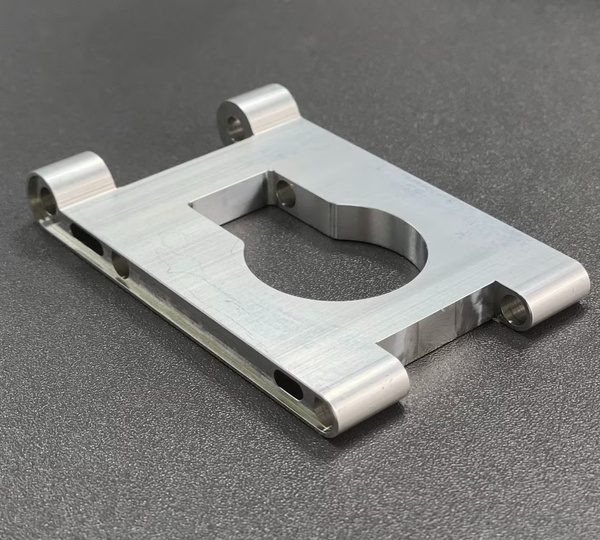
To successfully machine stainless steel, it is critical to:
- Use high-quality carbide or coated cutting tools (e.g. TiAlN), designed for high abrasion resistance.
- Adopt slower cutting speeds and moderate feed rates; avoid aggressive parameters that trigger work hardening. For grades like 316 stainless steel, surface speeds around 60–120 m/min are often recommended.
- Maintain reliable coolant or lubricant flow to evacuate heat and chips; flood coolant or high-pressure systems are often necessary.
- Ensure a stable, rigid setup — minimal tool overhang, solid fixturing, proper workholding — to reduce vibration and improve surface finish.
- Plan for chip control: stainless steel tends to produce tough, stringy chips; strategies like peck drilling or step-cutting help avoid chip packing.
Methods: From Sheet Cutting to Custom Machined Parts
Depending on your needs, stainless steel parts can be produced via several CNC-based methods:
- CNC Milling & Turning: ideal for 3D parts — housings, shafts, custom components. CNC turning is well-suited for cylindrical parts, while milling handles slots, pockets, contours, and complex geometries.
- CNC Cutting Stainless Steel Sheet / Plate: For flat parts, brackets, enclosures — methods include sheet cutting, cnc plasma cutting stainless steel (especially for thicker plate), or other cutting techniques depending on thickness and precision requirements.
- Custom CNC Machining Stainless Steel: For bespoke designs, small-batch production, or prototype parts where tight tolerances, complex geometry or special finishes are required.
- Finishing & Surface Treatment: After cutting/machining, parts often undergo polishing, sandblasting, electropolish, powder coating or other treatments to improve appearance, corrosion resistance and surface roughness.
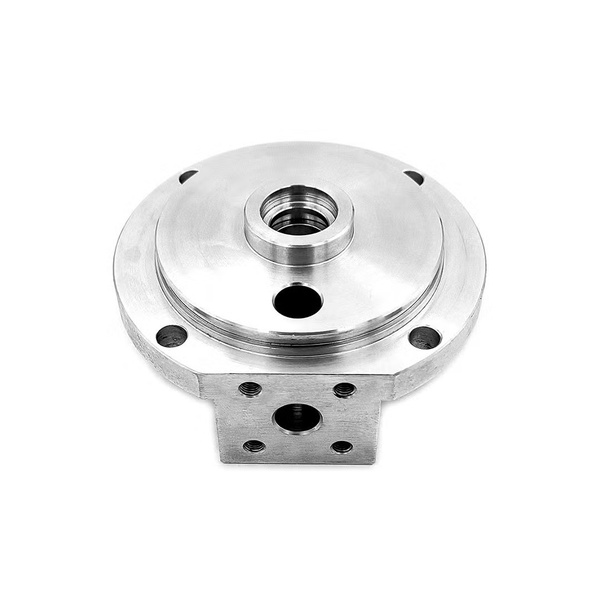
Choosing the Right Alloy — Why 316 Stainless Steel Often Wins
Not all stainless steels are equal. Among common grades: 303 is easier to machine (good chip breaking), 304 is versatile and broadly used, while 316 stainless steel offers superior corrosion resistance — especially suited for marine, chemical, or harsh environments.
When using 316 stainless steel for custom cnc machining stainless steel components, extra care must be taken: use coated carbide tools, slow speeds, robust coolant, and plan for good finishing. With these, you can produce high-quality, long-lasting parts that stand up to demanding conditions.
Applications: Where Stainless Steel CNC Shines
- Automotive & Heavy Machinery: robust components, housings, shafts, and structural parts.
- Aerospace & Defense: high-precision, high-strength components that require tight tolerances and reliability.
- Medical & Food Processing Equipment: hygienic, corrosion-resistant parts suitable for sanitary environments.
- Industrial / Chemical / Marine Equipment: parts exposed to corrosive environments or extreme conditions.
- Custom / Prototype Manufacturing: small-batch or one-off parts with complex geometries, requiring both precision and material performance.
Best Practices Summary for CNC Machining Stainless Steel (by Xavier)
- Always select appropriate tooling (carbide/coated) and optimize cutting parameters (speed, feed, depth) based on stainless steel grade.
- Ensure stable fixturing, rigid setup and minimal tool overhang to maintain accuracy and surface finish.
- Use adequate coolant or lubrication to control heat and evacuate chips.
- Plan for post-machining finishing (polish, coating, electropolish, etc.) to maximize corrosion resistance and aesthetics.
- For stainless steel sheet or plate, choose the proper cutting method — e.g. cnc cutting stainless steel sheet for thin parts, cnc plasma cutting stainless steel for thicker plates.
With these practices, stainless steel CNC machining delivers parts that combine strength, durability, precision and lasting value — ideal for nearly any demanding application.
Xavier is a professional manufacturer specializing in CNC machining services, delivering high-precision metal components and offering reliable cnc machining stainless steel solutions for global customers. Our production capabilities cover a wide range of materials, including CNC machining aluminum, CNC machining stainless steel, CNC machining magnesium alloy, CNC machining acrylic, CNC machining ABS, and CNC machining plastics. We also provide precision component machining for multiple industries, supporting advanced applications such as CNC aerospace parts machining, CNC automotive parts machining, CNC medical parts machining, CNC robotic machining, and CNC marine parts manufacturing. All services deliver tight tolerances, fast turnaround, stable quality, and excellent compatibility with various project requirements. To meet different machining needs, Xavier offers a full range of manufacturing capabilities, including 5 axis milling services, CNC milling services, CNC turning services, Swiss turning services. We support a variety of surface finishing processes as well, such as anodizing, electroless nickel plating, zinc plating, passivation, electropolishing, and chemical conversion coating. As an experienced global CNC machining manufacturer, we provide both small-batch and mass-production CNC machining services. If you need high-quality cnc machining stainless steel components or want to request pricing, feel free to contact us anytime.
Some of the images and text in this article are collected and compiled from the internet. If there is anything inappropriate, please contact us for processing.